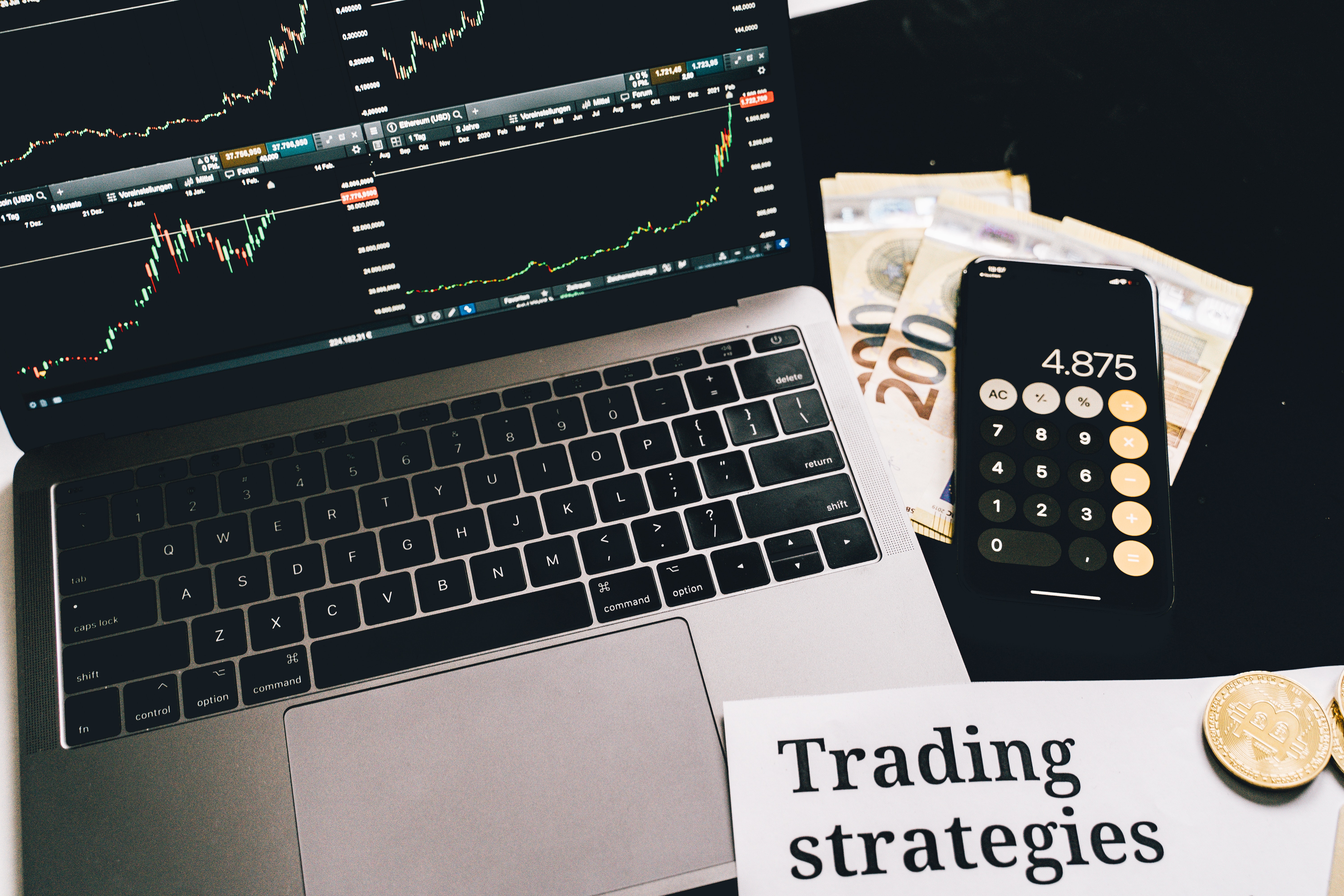


Quantitative trading, also known as algorithmic trading, leverages the power of mathematics and computer programs to identify and capitalise on trading opportunities. Unlike discretionary trading, which relies on intuition and experience, quantitative trading employs a data-driven approach, making it ideal for backtesting strategies and minimising emotional influence.
uTrade Algos, a leading quantitative trading platform, empowers you to build and deploy your own algorithmic strategies. This blog delves into seven key quantitative trading indicators that can enhance your decision-making process.
Quantitative Indicators for Decision-Making
1. Moving Averages (MAs)
A staple in any trader's toolkit, MAs smooth out price fluctuations, revealing the underlying trend. Different moving average lengths (e.g., 50-day, 200-day) provide insights into short-term and long-term trends. A robust algo trading platform allows you to easily configure various MAs and overlay them on your charts for a comprehensive view.
2. Relative Strength Index (RSI)
This indicator measures the magnitude of recent price movements, gauging whether an asset is overbought (high RSI) or oversold (low RSI), potentially signalling potential reversal points. On a reliable algo trading platform, you can customise the RSI parameters and generate buy/sell signals based on RSI thresholds.
3. Moving Average Convergence Divergence (MACD)
The MACD is a combination of two MAs and a moving average convergence divergence histogram, offering insights into trend strength and potential turning points. A widening MACD suggests a strengthening trend, while a narrowing MACD might indicate a trend reversal.
4. Bollinger Bands
These bands depict price volatility around a simple moving average. When prices touch the upper band, it might suggest overbought conditions, while touching the lower band could indicate oversold conditions. You can set up Bollinger Bands alerts on a robust trading platform and integrate them into your quantitative trading strategies.
5. Stochastic Oscillator
This indicator measures the closing price relative to the price range over a specific period. A high Stochastic value suggests overbought conditions, while a low value indicates oversold conditions. The Stochastic Oscillator can identify potential trend continuations or reversals.
6. Average True Range (ATR)
The ATR measures price volatility, helping traders gauge potential price movements. A quantitative trading platform can incorporate the ATR to set stop-loss orders and manage risk based on historical price volatility.
7. Volume
While not strictly an indicator, volume plays a crucial role in quantitative trading. High trading volume often accompanies strong trends, while low volume can indicate a lack of conviction behind price movements. uTrade Algos allows you to seamlessly analyse volume alongside price data for a more comprehensive understanding of market dynamics.
Beyond the Indicators
Remember, no single indicator is a crystal ball. The true power lies in combining these indicators with other quantitative trading strategies like statistical arbitrage or mean reversion. uTrade Algos, as a comprehensive quantitative trading platform, empowers you to explore various strategies, conduct backtesting, and refine your approach.
Unlocking Algorithmic Potential
By leveraging these quantitative trading indicators within platforms like uTrade Algos, you can gain valuable insights into market trends, identify potential trading opportunities, and build robust algorithmic trading strategies. With a data-driven approach and the power of uTrade Algos, you can navigate the markets with greater confidence.