

Introduction
In today's fast-paced business environment, organizations are constantly seeking ways to improve efficiency, adaptability, and customer satisfaction. One of the most popular frameworks to achieve these goals is Scrum, a subset of Agile methodologies. This comprehensive guide will take you through the essential elements of Scrum Study, providing valuable insights into how this framework can transform your projects and teams.
What is Scrum?
The Essence of Scrum
Scrum is a lightweight framework designed to help teams work together more effectively. It promotes collaboration, accountability, and iterative progress towards a well-defined goal. Originating in the software development world, Scrum has since been adopted across various industries due to its simplicity and effectiveness.
The Scrum Team
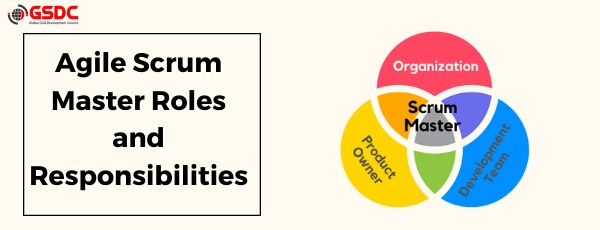
A typical Scrum team consists of three key roles:
- Product Owner: Represents the stakeholders and the voice of the customer. The Product Owner is responsible for maximizing the value of the product by managing the product backlog.
- Scrum Master: Acts as a facilitator and coach for the team. The Scrum Master helps remove impediments and ensures that Scrum practices are followed.
- Development Team: A cross-functional group responsible for delivering potentially shippable increments of the product at the end of each Sprint.
The Scrum Framework
Key Components
Scrum is built around a few key components that structure the workflow and ensure continuous improvement:
- Sprints: Time-boxed iterations, usually lasting 2-4 weeks, during which a usable increment of the product is created.
- Product Backlog: An ordered list of everything that is known to be needed in the product. The Product Owner manages the backlog to prioritize tasks based on business value and stakeholder needs.
- Sprint Backlog: A list of tasks that the team commits to completing during the Sprint. This is derived from the Product Backlog.
- Increment: The sum of all the Product Backlog items completed during a Sprint and all previous Sprints.
Scrum Events
Scrum prescribes five main events to facilitate inspection and adaptation:
- Sprint Planning: At the beginning of each Sprint, the team meets to plan the work to be done. The team selects items from the Product Backlog and creates a Sprint Backlog.
- Daily Scrum: A 15-minute time-boxed event held each day for the Development Team to synchronize activities and create a plan for the next 24 hours.
- Sprint Review: Held at the end of the Sprint to inspect the increment and adapt the Product Backlog if needed. This is an opportunity for stakeholders to provide feedback.
- Sprint Retrospective: Also held at the end of the Sprint, this event focuses on the team’s processes and seeks ways to improve for the next Sprint.
- The Sprint: The container event that holds all other events and activities. It is the heartbeat of Scrum.
Benefits of Scrum
Enhanced Collaboration and Communication
Scrum promotes frequent communication and collaboration among team members and stakeholders. Daily Scrums and regular reviews ensure that everyone is on the same page and working towards a common goal.
Increased Flexibility and Adaptability
By breaking down the project into manageable Sprints, Scrum allows teams to adapt to changes quickly. This iterative approach ensures that the team can respond to new requirements or feedback without disrupting the entire project.
Improved Product Quality
Continuous testing and integration during Sprints help maintain high product quality. The focus on delivering a potentially shippable product increment at the end of each Sprint ensures that quality is built into the product from the start.
Higher Customer Satisfaction
Regular involvement of the Product Owner and stakeholders means that the product is aligned with customer needs and expectations. The incremental delivery model allows customers to see progress and provide feedback, leading to higher satisfaction levels.
Challenges in Implementing Scrum
Resistance to Change
Organizations may face resistance when transitioning to Scrum. It requires a cultural shift and buy-in from all levels of the organization. Training and coaching can help mitigate this resistance.
Maintaining Consistency
Consistency in following Scrum practices is crucial for success. Teams might struggle to adhere to the framework's guidelines, especially if they are new to Agile methodologies. Continuous learning and improvement are essential.
Balancing Flexibility and Structure
While Scrum is flexible, it also requires discipline. Finding the right balance between flexibility and adherence to Scrum principles can be challenging but is necessary for achieving the desired outcomes.
Conclusion
Scrum is a powerful framework that can transform how teams work, leading to increased efficiency, better product quality, and higher customer satisfaction. By understanding and implementing the key components of Scrum, organizations can navigate the complexities of modern project management with greater agility and success. Whether you're new to Scrum or looking to deepen your understanding, this comprehensive guide provides the foundation you need to master Scrum Study and drive your projects to success.