Beekeeping for Beginners: Everything You Need to Know to Get Started
Embarking on a beekeeping adventure is an exciting and rewarding experience. Whether you are passionate about bees, eager to produce your own honey, or just intrigued by the idea of beekeeping, this guide will provide you with all the essential information you need as a beginner. From understanding the basics to overcoming common challenges, you'll be well-prepared to start your beekeeping journey.
Beekeeping Basics: The Essential Knowledge for Success
To begin your beekeeping adventure, it's crucial to understand the fundamentals. This section covers everything you need to know about bee biology, hive components, and the different bee species. Understanding these basics will help you manage your hive effectively and ensure the wellbeing of your bees.
Understanding Bee Biology
Bee biology is the cornerstone of successful beekeeping. Bees are complex creatures with intricate social structures. The hive consists of a queen, worker bees, and drones, each playing a specific role within the colony. The queen is responsible for laying eggs, while worker bees forage for nectar and pollen, care for the young, and maintain the hive. Drones' primary function is to mate with the queen.
Components of a Beehive
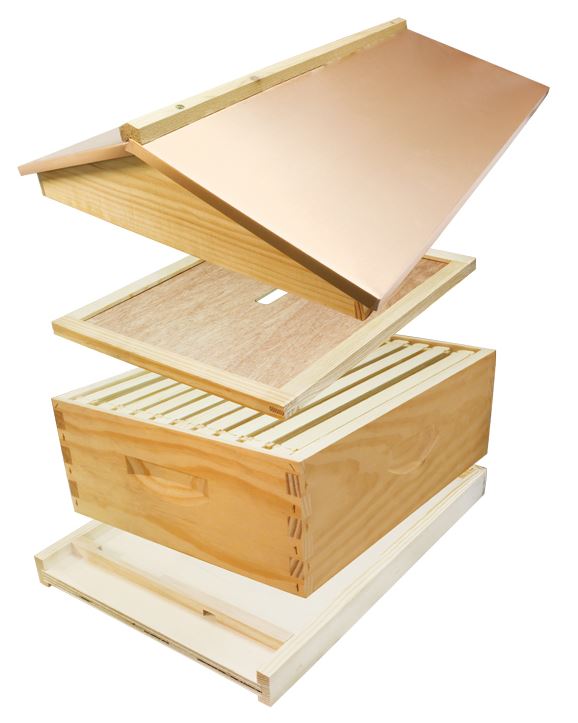
A typical beehive consists of several key components:
- Hive Stand: The foundation that elevates the hive off the ground, protecting it from moisture and pests.
- Bottom Board: The base of the hive that allows bees to enter and exit.
- Brood Box: The chamber where the queen lays eggs and the young bees develop.
- Honey Super: The section where bees store honey.
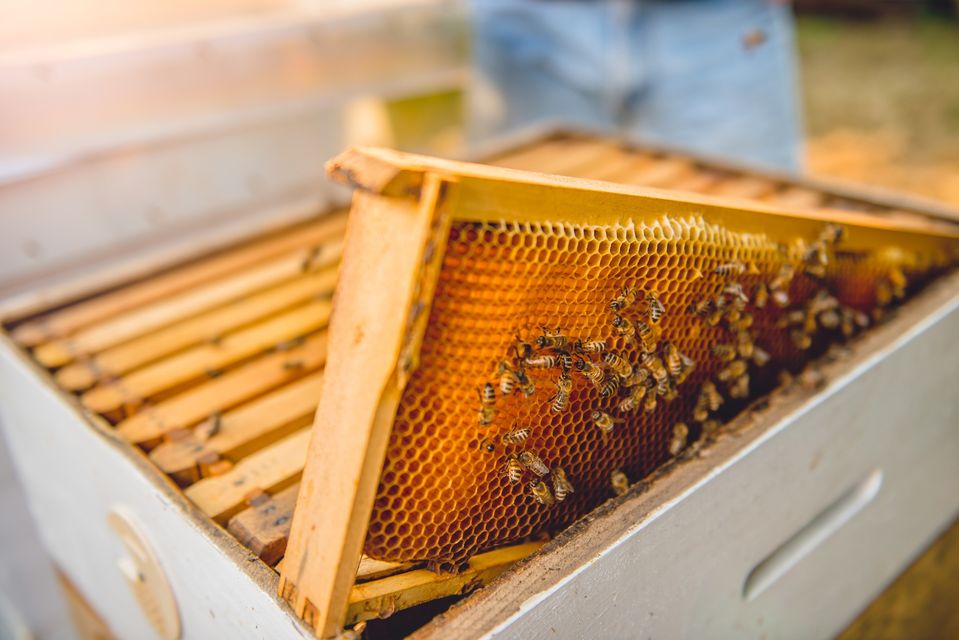
- Frames: Removable structures within the brood box and honey super on which bees build their comb.
- Inner Cover: A protective layer placed above the topmost super.
- Outer Cover: The lid that shields the hive from the elements.
Selecting the Right Bee Species
There are several species of honeybees, but the most commonly kept for beekeeping are the Italian, Carniolan, and Russian bees. Each species has unique characteristics that may influence your choice:
- Italian Bees: Known for their gentle nature and excellent honey production, making them ideal for beginners.
- Carniolan Bees: Resilient to colder climates, they are also gentle but may swarm more frequently.
- Russian Bees: Resistant to varroa mites and other pests, but can be more defensive and challenging to manage.
Beekeeping Made Easy: Practical Tips for New Beekeepers
Starting your beekeeping venture doesn't have to be complicated. By following these practical tips, you'll find the process manageable and enjoyable. This section covers acquiring bees, setting up your hive, routine maintenance, and addressing common challenges.
Acquiring Your Bees
You can obtain bees in several ways, including purchasing a package of bees, a nucleus colony (nuc), or capturing a swarm:
- Package Bees: A package typically includes a queen and a large number of worker bees, which are housed together in a screened box. This method allows for easier transport and handling.
- Nucleus Colony (Nuc): A nuc is a small, established colony with a queen, workers, brood, and honey. This option can jump-start your hive's development.
- Swarm Capture: Capturing a swarm can be a cost-effective way to start, but it requires experience and knowledge of swarm behavior.
Setting Up Your Hive
Once you have your bees, it's time to set up your hive. Choose a location that provides ample sunlight, access to water, and protection from strong winds. Ensure the hive is elevated using a hive stand to prevent moisture buildup and pest intrusion. Assemble the hive components, carefully install the bees, and allow them time to acclimate to their new environment.
Routine Maintenance and Inspections
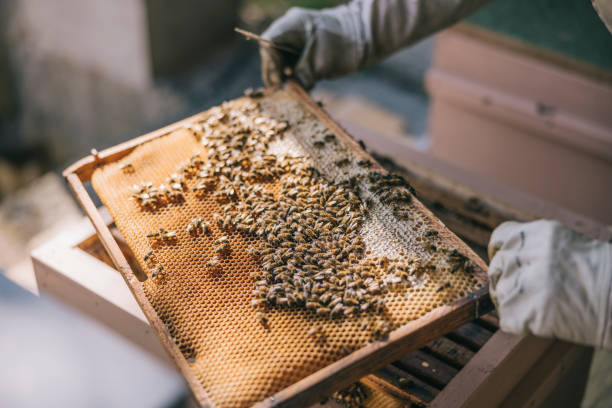
Regular hive inspections are crucial for maintaining a healthy colony. During inspections, you should:
- Check for signs of disease or pests, such as varroa mites or hive beetles.
- Ensure the queen is present and laying eggs.
- Monitor the population and overall activity of the bees.
- Check for sufficient stores of honey and pollen.
- Assess the condition of the comb and replace any damaged frames.
Inspections should be conducted every 7-10 days during the active season, and less frequently during the winter months when bees are less active.
Addressing Common Challenges
Beekeeping comes with its own set of challenges, but with proper knowledge and preparation, you can overcome them effectively:
- Swarms: Swarms occur when the colony becomes overcrowded, prompting some bees to leave with the queen to establish a new hive. To prevent swarming, provide ample space and consider splitting the hive when necessary.
- Pests and Diseases: Regular inspections and treatments can help manage pests and diseases. Keep the hive clean and monitor for signs of trouble.
- Poor Weather: Ensure your hive is well-insulated and protected from harsh weather conditions. Adequate ventilation is also crucial to prevent moisture buildup.
Harvesting Honey
Harvesting honey is one of the most rewarding aspects of beekeeping. It typically occurs in late summer or early fall:
- Remove the honey supers from the hive, making sure to only take surplus honey, leaving enough for the bees to survive the winter.
- Use a bee escape or blower to clear bees from the supers.
- Uncap the honeycomb using an uncapping knife or fork, and place the frames in an extractor to spin out the honey.
- Filter the extracted honey to remove debris and impurities.
- Bottle and store the honey in a cool, dry place.
Properly harvested and stored honey can last indefinitely and provides a delightful reward for your hard work.
Preparing for Winter
Winter can be challenging for bees, so it's essential to prepare your hive to withstand the colder months:
- Ensure the hive has sufficient honey stores to last through winter.
- Reduce the hive entrance to prevent heat loss and protect against pests.
- Insulate the hive to help maintain a stable temperature.
- Avoid opening the hive in freezing temperatures, as this can disrupt the bees' thermoregulation.
By taking these precautions, you can help ensure your colony's survival through the winter and into the following spring.