

Vision correction has come a long way in recent years, and Lasik eye surgery continues to be at the forefront of this revolutionary field. As we move into 2024, more people than ever are considering this life-changing procedure. Let's explore the top 10 reasons why Lasik might be the right choice for you this year.
1. Improved Technology and Precision
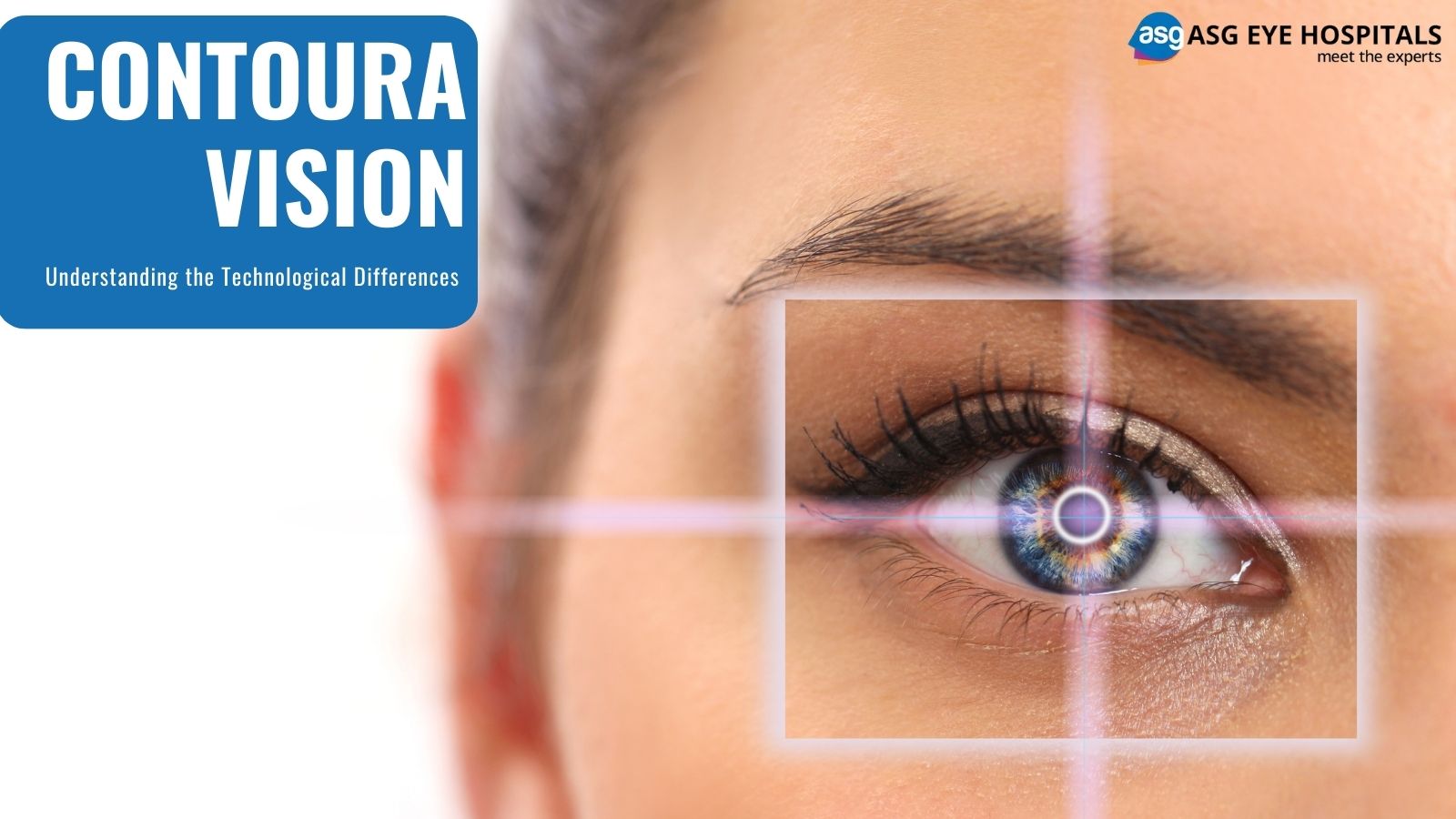
The field of laser eye surgery has seen significant advancements since its inception. In 2024, Lasik procedures benefit from cutting-edge technology that offers unprecedented precision and safety. Modern Lasik eye surgery utilizes advanced eye-tracking systems that adjust for even the slightest eye movements during the procedure. This ensures that the laser treatment is applied exactly where it's needed, minimizing the risk of complications and improving overall outcomes. Additionally, wavefront-guided Lasik technology creates a detailed 3D map of your eye, allowing surgeons to customize the procedure to your unique eye structure. This level of personalization wasn't possible in earlier iterations of the surgery, making 2024 an ideal time to consider Lasik.
2. Quick Recovery Time
One of the most appealing aspects of Lasik eye surgery is its remarkably short recovery period. Unlike traditional eye surgeries that might require weeks of downtime, most Lasik patients experience improved vision within 24 hours of their procedure.
In 2024, advancements in surgical techniques and post-operative care have further reduced recovery times. Many patients report being able to return to work and normal activities within a day or two after their Lasik procedure. This quick turnaround makes the surgery an attractive option for busy professionals and those who can't afford extended time away from their daily responsibilities.
3. Long-lasting Results
Lasik eye surgery offers a long-term solution to vision problems. While it's important to note that your eyes can still change over time due to factors like age, the vast majority of Lasik patients enjoy clear vision for many years after their procedure. Studies have shown that more than 90% of patients achieve 20/20 vision or better after Lasik, and these results typically remain stable over time. As we enter 2024, long-term data on Lasik outcomes continues to accumulate, providing even more evidence of the procedure's lasting benefits.
4. Cost-Effective in the Long Run
While the initial cost of Lasik eye surgery may seem high, it's important to consider the long-term financial benefits. Over time, the expense of continually purchasing glasses, contact lenses, and associated care products can add up significantly. In 2024, many insurance plans are beginning to offer coverage or discounts for Lasik procedures, recognizing the long-term health and financial benefits. When you factor in the potential savings on vision care products over the years, Lasik often proves to be a cost-effective choice in the long run.
5. Enhanced Quality of Life
The impact of clear vision on quality of life cannot be overstated. Lasik patients often report a significant boost in their overall well-being and confidence after the procedure.
Imagine waking up each morning with clear vision, without reaching for your glasses. Picture yourself enjoying outdoor activities, swimming, or playing sports without worrying about contact lenses or prescription eyewear. In 2024, more people are choosing Lasik to free themselves from the daily hassles of vision correction and embrace a more active, unencumbered lifestyle.
6. Reduced Dependence on Corrective Eyewear
One of the primary goals of Lasik eye surgery is to reduce or eliminate the need for glasses or contact lenses. For many people, this represents a significant lifestyle change and a form of freedom they may not have experienced since childhood.
While some patients may still need reading glasses as they age (a condition called presbyopia), the vast majority find that they no longer need corrective lenses for most daily activities after Lasik. This reduction in dependence on eyewear can be particularly beneficial for those with active lifestyles or professions that make wearing glasses inconvenient.
7. Improved Night Vision
Many people who struggle with refractive errors like myopia (nearsightedness) or astigmatism experience difficulties with night vision. This can make activities like driving after dark particularly challenging and stressful.
Lasik eye surgery can significantly improve night vision for many patients. By reshaping the cornea to correct refractive errors, Lasik can reduce issues like glare and halos around lights at night. In 2024, advanced Lasik technologies are even better at addressing these concerns, making nighttime activities safer and more comfortable for patients.
8. Potential for Better Vision Than With Glasses or Contacts
It may come as a surprise, but many Lasik patients report that their post-surgery vision is actually better than what they experienced with glasses or contact lenses. This is because Lasik directly reshapes the cornea to correct vision problems, rather than relying on external lenses.
In 2024, the precision of Lasik procedures allows for incredibly fine adjustments to be made to the cornea. This means that surgeons can often achieve vision correction that's tailored more precisely to each individual eye than is possible with standard prescription lenses.
9. Safety and Low Risk of Complications
As with any surgical procedure, Lasik does carry some risks. However, it's important to note that serious complications from Lasik eye surgery are rare, and the procedure has a long track record of safety.
In 2024, Lasik is safer than ever before. Advances in pre-operative screening help identify suitable candidates for the procedure, reducing the risk of poor outcomes. Additionally, the precision of modern Lasik technology minimizes the chances of surgical errors.
It's worth noting that the American Refractive Surgery Council reports that Lasik has a 96% patient satisfaction rate, one of the highest of any elective procedure.
10. Potential to Treat a Wide Range of Vision Problems
When Lasik was first introduced, it was primarily used to treat myopia (nearsightedness). However, as the technology has advanced, so too has the range of vision problems that can be addressed with Lasik.
In 2024, Lasik eye surgery can effectively treat:
- Myopia (nearsightedness)
- Hyperopia (farsightedness)
- Astigmatism
- In some cases, presbyopia (age-related farsightedness)
This versatility makes Lasik an option for a wider range of patients than ever before. Even those with more complex vision issues may find that Lasik can significantly improve their eyesight.
Understanding the Lasik Procedure
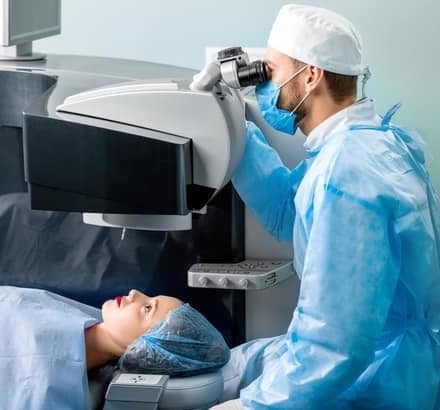
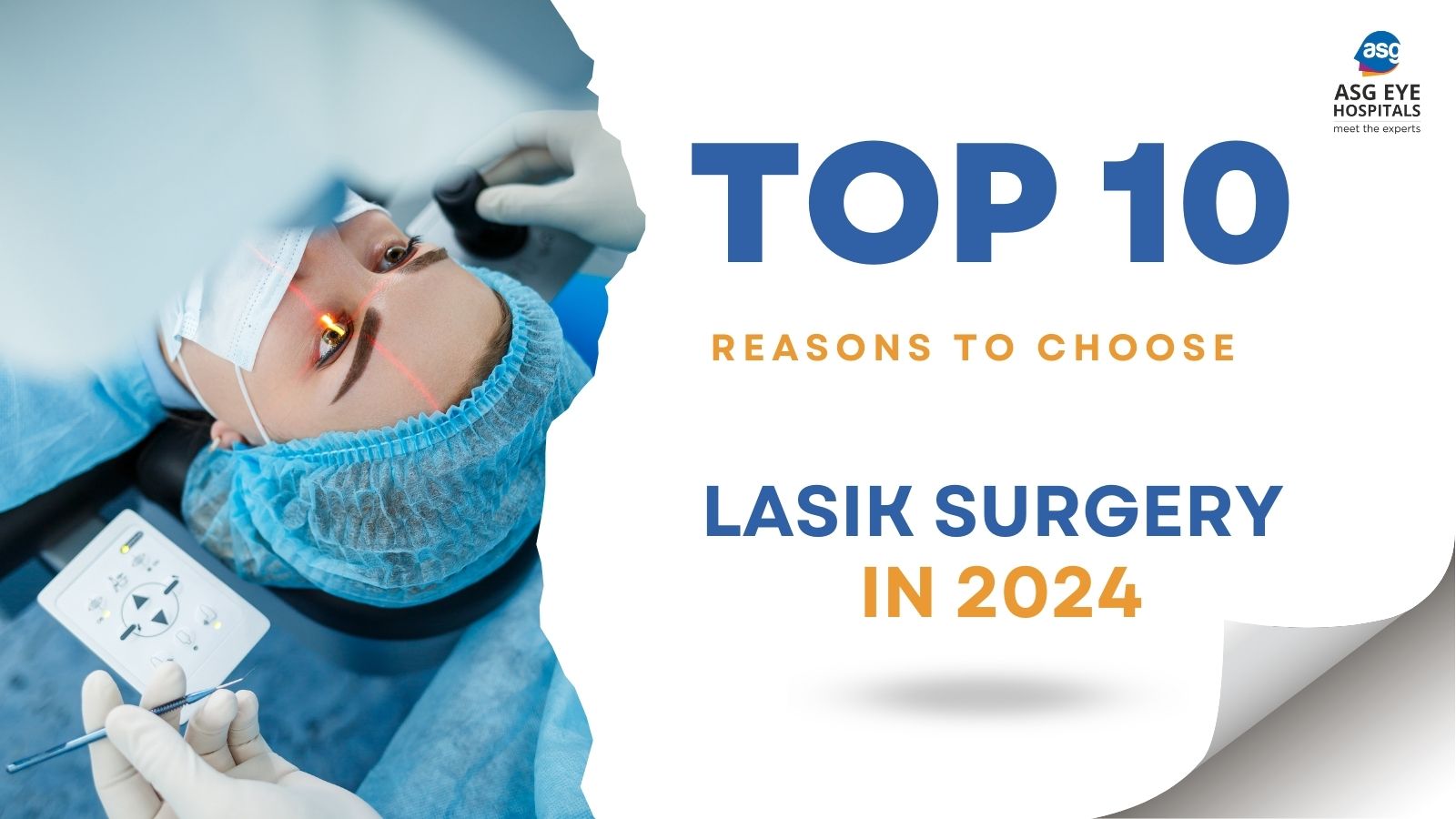
To fully appreciate the benefits of Lasik, it's helpful to understand how the procedure works. Lasik, which stands for Laser-Assisted In Situ Keratomileusis, is a type of refractive surgery that uses a laser to reshape the cornea, correcting vision problems.
Here's a step-by-step breakdown of a typical Lasik procedure:
- Preparation: The eye is numbed with anesthetic drops, and the area around the eye is cleaned.
- Creating the flap: A thin flap is created on the surface of the cornea using either a microkeratome blade or a femtosecond laser.
- Lifting the flap: The surgeon gently lifts the flap to expose the inner layers of the cornea.
- Reshaping the cornea: An excimer laser is used to remove microscopic amounts of tissue from the cornea, reshaping it to correct the refractive error.
- Replacing the flap: The flap is carefully repositioned over the treated area, where it acts as a natural bandage.
The entire procedure typically takes less than 30 minutes for both eyes, and most patients report little to no discomfort during or after the surgery.
Advancements in Lasik Technology for 2024
As we look ahead to 2024, several exciting advancements in Lasik technology are worth noting:
- Topography-Guided Lasik: This newer form of Lasik uses detailed maps of the eye's surface to guide the laser treatment, potentially providing even better visual outcomes.
- Improved Flap Creation: Femtosecond lasers used to create the corneal flap have become even more precise, reducing the risk of flap-related complications.
- Enhanced Eye-Tracking: More sophisticated eye-tracking systems can follow eye movements in three dimensions, ensuring even greater accuracy during the laser treatment.
- Artificial Intelligence Integration: Some Lasik systems are beginning to incorporate AI algorithms to assist in treatment planning and execution, potentially improving outcomes further.
Is Lasik Right for You?
While Lasik eye surgery offers numerous benefits, it's not suitable for everyone. Good candidates for Lasik typically:
- Are at least 18 years old
- Have had a stable vision prescription for at least a year
- Have no significant eye health issues
- Have sufficiently thick corneas
- Are not pregnant or nursing
- Do not have certain autoimmune disorders
The best way to determine if you're a good candidate for Lasik is to consult with an experienced eye surgeon. They can perform a comprehensive eye exam and discuss your individual needs and expectations.
Preparing for Lasik Surgery
If you decide to proceed with Lasik eye surgery, there are several steps you'll need to take to prepare:
- Stop wearing contact lenses: You'll need to switch to glasses for a period before the surgery, as contacts can change the shape of your cornea.
- Arrange transportation: You won't be able to drive immediately after the procedure, so make sure you have a ride home.
- Prepare your home: Stock up on artificial tears and create a comfortable recovery space.
- Follow pre-operative instructions: Your surgeon may give you specific instructions to follow in the days leading up to your surgery.
Post-Operative Care and Recovery
After your Lasik procedure, proper care is crucial to ensure the best possible outcome. Your doctor will provide detailed instructions, but generally, you can expect to:
- Use prescribed eye drops: These help prevent infection and inflammation.
- Wear protective eye shields: Especially while sleeping, to prevent accidental rubbing of the eyes.
- Avoid certain activities: You'll need to stay away from swimming pools, hot tubs, and contact sports for a period after the surgery.
- Attend follow-up appointments: These are crucial for monitoring your healing and addressing any concerns.
Most patients see a significant improvement in their vision within 24 hours of the procedure, with vision continuing to stabilize over the following weeks.
Conclusion
As we move into 2024, Lasik eye surgery continues to offer a safe, effective, and increasingly advanced solution for vision correction. With its potential to dramatically improve quality of life, reduce dependence on corrective eyewear, and provide long-lasting results, it's no wonder that more people are considering this life-changing procedure.
However, the decision to undergo Lasik should not be taken lightly. It's important to thoroughly research the procedure, understand the potential risks and benefits, and consult with qualified eye care professionals to determine if Lasik is the right choice for you.
If you're tired of relying on glasses or contact lenses and are looking for a long-term solution to your vision problems, 2024 might be the perfect time to explore what Lasik eye surgery can offer you. With continued advancements in technology and surgical techniques, the future of vision correction looks clearer than ever.