


Conversion Rate Optimization: Key Strategies to Boost Your Amazon Sales
Monitoring and improving your conversion rate is critical for maximizing sales on Amazon. It refers to the percentage of visitors to your Amazon listing who end up making a purchase. By focusing on conversion rate optimization, you can enhance your product visibility, improve customer experience, and ultimately drive more sales. There are several strategies you can implement to optimize your conversion rate:
First and foremost, ensure that your product listings are accurate, detailed, and compelling. This includes having high-quality images, comprehensive product descriptions, and clear, concise titles. Using relevant keywords in your listings will also help improve your product's visibility in Amazon search results.
Additionally, consider using Amazon's Enhanced Brand Content (EBC) or A+ Content to make your product listings more engaging and informative. This feature allows you to add additional images, videos, and text placements to your product listings, giving customers a better understanding of your product and its features.
Another crucial aspect of conversion rate optimization is managing customer reviews and ratings. Positive customer reviews build trust and credibility, while negative reviews can discourage potential buyers. Encourage satisfied customers to leave positive reviews and address any negative feedback promptly and professionally.
Finally, pricing plays a significant role in conversion rate optimization. Ensure that your prices are competitive and reflect the value of your product. Regularly monitor your competitors' prices and adjust your pricing strategy accordingly to stay competitive.
Customer Feedback Analysis: Leveraging Reviews for Business Growth
Customer feedback is a valuable resource for any Amazon seller. By analyzing customer reviews and feedback, you can gain insights into your customers' preferences, pain points, and overall experience with your product. This information can help you make informed decisions about product improvements, marketing strategies, and customer service practices.
Start by regularly monitoring and categorizing customer reviews and ratings on your Amazon listings. Pay attention to common themes and patterns in the feedback, such as recurring issues or frequently mentioned features. This will help you identify areas for improvement and opportunities to enhance your product offering.
Next, consider using sentiment analysis tools to automate the process of analyzing customer feedback. These tools can help you gauge the overall sentiment of your reviews and identify specific areas where customers are either satisfied or dissatisfied.
Once you have gathered and analyzed customer feedback, take action based on your findings. Address any recurring issues by making product improvements or offering better customer support. Use positive feedback to highlight the strengths of your product in your marketing efforts.
Lastly, engage with your customers by responding to their reviews and feedback. Thank those who leave positive reviews and address any concerns raised in negative reviews. This shows that you value your customers' opinions and are committed to providing excellent customer service.
Amazon Conversion Rates: Understanding and Improving Key Metrics
Conversion rates are a crucial metric for Amazon sellers, as they directly impact your sales and overall performance on the platform. Understanding and improving your conversion rates involves analyzing various factors that influence a customer's decision to purchase your product.
One of the primary factors affecting conversion rates is the quality of your product listings. Ensure that your listings are well-optimized with high-quality images, detailed product descriptions, and relevant keywords. This will help attract potential buyers and increase the likelihood of conversions.
Another important factor is customer reviews and ratings. Positive reviews and high ratings can significantly boost your conversion rates, while negative reviews can deter potential buyers. Encourage satisfied customers to leave positive reviews and promptly address any negative feedback to maintain a positive reputation.
Pricing is also a critical aspect of conversion rates. Competitive pricing can make your product more attractive to potential buyers, while pricing that is too high or too low can have the opposite effect. Regularly monitor your competitors' prices and adjust your pricing strategy as needed to remain competitive.
Additionally, consider using Amazon-sponsored ads to increase the visibility of your product listings. These ads can help drive traffic to your listings, ultimately improving your conversion rates.
Finally, monitor and analyze your conversion rate data regularly to identify trends and areas for improvement. Use this data to make informed decisions about your product listings, pricing strategy, and marketing efforts.
Amazon Performance Metrics: Key Indicators of Success for Sellers
As an Amazon seller, it's essential to track and analyze various performance metrics to assess your business's health and make informed decisions. These metrics provide valuable insights into your sales, customer satisfaction, and overall performance on the platform.
One of the most critical performance metrics is the Buy Box percentage. The Buy Box is the box on a product detail page where customers can begin the purchasing process by adding items to their cart. Winning the Buy Box can significantly increase your sales, so it's essential to monitor your Buy Box percentage and take steps to improve it if necessary.
Another important metric is the Order Defect Rate (ODR). The ODR measures the percentage of orders with negative feedback, A-to-Z Guarantee claims, or chargebacks. Maintaining a low ODR is crucial for your seller account's health, as a high ODR can lead to account suspension.
Monitoring your Seller Feedback rating is also essential. This rating reflects customers' overall satisfaction with your service and can impact your chances of winning the Buy Box. Encourage satisfied customers to leave positive feedback and address any issues promptly to maintain a high Seller Feedback rating.
Other key performance metrics include the Inventory Performance Index (IPI), which measures how well you manage your inventory, and the Return Rate, which indicates the percentage of orders that are returned by customers. Keeping track of these metrics can help you optimize your inventory management and reduce return rates.
Finally, regularly review your sales data, including sales volume, revenue, and units sold. This data can help you identify trends, assess the effectiveness of your marketing efforts, and make data-driven decisions to improve your overall performance.
Amazon KPIs Guide: Essential Metrics for Every Seller
This comprehensive guide will cover the essential Amazon KPIs that every Amazon seller should monitor to optimize their performance and increase sales. These KPIs provide valuable insights into your business's health, customer satisfaction, and overall success on the platform.
1. Conversion Rate: The percentage of visitors to your Amazon listing who make a purchase. Improving your conversion rate can lead to increased sales and better visibility in Amazon search results.
2. Customer Feedback: Analyzing customer reviews and feedback helps you identify areas for improvement and opportunities to enhance your product offerings and customer service.
3. Buy Box Percentage: The percentage of time your product wins the Buy Box. Winning the Buy Box is crucial for driving sales and increasing your product's visibility.
4. Order Defect Rate (ODR): The percentage of orders with negative feedback, A-to-Z Guarantee claims, or chargebacks. Maintaining a low ODR is essential for your seller account's health.
5. Seller Feedback Rating: Reflects customers' overall satisfaction with your service. A high Seller Feedback rating can boost your chances of winning the Buy Box and attract more potential buyers.
6. Inventory Performance Index (IPI): Measures how well you manage your inventory. A high IPI indicates efficient inventory management, while a low IPI may lead to storage restrictions.
7. Return Rate: The percentage of orders that are returned by customers. Monitoring and reducing your return rate can improve customer satisfaction and reduce costs associated with returns.
8. Sales Data: Includes sales volume, revenue, and units sold. Analyzing your sales data can help you identify trends, assess the effectiveness of your marketing efforts, and make data-driven decisions to improve your overall performance.
By regularly monitoring these KPIs, you can gain valuable insights into your business's performance and make informed decisions to optimize your sales and customer satisfaction on Amazon.
Optimize Seller Performance: Strategies to Boost Your Amazon Business
Optimizing your seller performance on Amazon involves implementing various strategies to improve your product listings, enhance customer satisfaction, and increase sales. By focusing on key areas such as conversion rate optimization, customer feedback analysis, and performance metrics, you can achieve success on the platform.
One of the first steps to optimize your seller performance is to ensure that your product listings are well-crafted and optimized. This includes using high-quality images, detailed product descriptions, and relevant keywords. Additionally, consider using Enhanced Brand Content (EBC) or A+ Content to make your listings more engaging and informative.
Another crucial aspect is managing customer reviews and feedback. Encourage satisfied customers to leave positive reviews and promptly address any negative feedback. This will help build trust and credibility with potential buyers, ultimately improving your conversion rates and overall sales.
Pricing is also a key factor in optimizing your seller performance. Ensure that your prices are competitive and reflect the value of your product. Regularly monitor your competitors' prices and adjust your pricing strategy accordingly to stay competitive in the market.
Additionally, leverage Amazon-sponsored ads to increase the visibility of your product listings. These ads can help drive traffic to your listings and improve your conversion rates. Monitor the performance of your ads regularly and adjust your ad strategy as needed to maximize your return on investment.
Finally, track and analyze various performance metrics, including conversion rates, Buy Box percentage, Order Defect Rate (ODR), Seller Feedback rating, Inventory Performance Index (IPI), return rate, and sales data. Use this data to identify trends, assess the effectiveness of your strategies, and make data-driven decisions to optimize your overall performance on Amazon.
By implementing these strategies and regularly monitoring your performance metrics, you can optimize your seller performance and achieve long-term success on Amazon.



Conversion Rate Optimization Services can be your response to the above request.Web displaying has ended up being strong since every business is getting digitized.
If your site is getting development and you don’t have a sufficient conversion rate, Conversion Rate Optimization will accept a basic occupation for arrangements expansion of your business.It is extremely central for having a strategy that unequivocally changes your development into leads.
Moderately every businessman is using the help of SEO Services and Internet Marketing Services to separate their business from others.Well!
Conversion Rate Optimization Services can be unmistakably steady to generate leads and get the desired improvement in every business.Basically, CRO services work in 2 modules:1)Uproot Analysis2)Targeting the gathering of spectatorsThese modules are worked by the unmistakable specialists.
Everyone has something remarkable to offer you (Sometimes they don’t).
Your site pages will be bankrupt down as indicated by A/B split testing and Multivariate Testing to understand the substance changes in your site.Your contenders will be recorded and the point will be made by their Conversion Rates.Analytic data, the social affair of individuals will be centered around.
We Indians enjoy crazy shopping sprees, and these phrases always bring out the excitement in us.On November 29th, Amazon has something amazing in store for all its Indian customers.Amazon brings Black Friday 2019, which is going to be a greater hit!
Here are some smart tips that will prepare your brand for the Black Friday 2019.Get Ahead of the CrowdGenerally, the big retailers start advertising well before the actual day arrives, which means, deals are available in the start of the month that start getting more aggressive as the Black Friday approaches.So ideally if you want your customers to know the best Black Friday deals you brand is offering, you must start promoting actively.Manage seller feedbackYour customers speak for your brand.
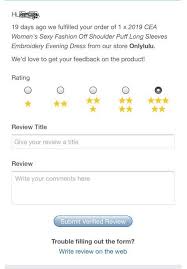
And, online shopping has taken customer reviews to another level.Research shows that more than 90% of the customers read the product reviews before purchasing it.Make sure that before you start promoting your brand on Amazon, you have enough and more customer reviews in your favor.Amazon now sells millions of products in India and worldwide.
This ultimately leads to improving your Amazon sales.Facebook ads are the most powerful, cost-effective and scalable tool to improve and grow your Amazon rankings and sales.
Google uses a variety of factors to deliver the best and most relevant search results from reputable sources.Whereas for Amazon, sales is a deciding factor for ranking the products.The higher the sales leads to better ranking of your products.If you are just starting off, this could be a vicious circle.
More importantly, not any kind of seller feedback and product reviews can be the right fit.New potential buyers depend on what an old customer has to say.