Maintaining high standards in hotel cleaning services is vital for the success of any hotel. Guests expect cleanliness as a fundamental aspect of their stay, and it significantly impacts their overall experience and satisfaction. This article provides essential tips for ensuring high standards in hotel cleaning services, covering everything from staff training to effective cleaning procedures.
The Importance of High Standards in Hotel Cleaning Services
Why Cleanliness Matters
Cleanliness in hotels is crucial for several reasons:
- Guest Satisfaction: A clean hotel room leaves a lasting impression on guests, influencing their decision to return and recommend the hotel to others.
- Health and Safety: Proper cleaning and sanitation reduce the risk of infections and illnesses, ensuring a safe environment for guests and staff.
- Reputation: Hotels known for their cleanliness attract more customers and earn better reviews and ratings.
Impact on Business Success
A hotel's reputation for cleanliness can make or break its success. Positive reviews on cleanliness can lead to increased bookings, while negative feedback can deter potential guests. Therefore, maintaining high cleaning standards is not just a matter of hygiene but also a critical business strategy.
Staff Training and Development
Comprehensive Training Programs
To maintain high cleaning standards, it is essential to invest in comprehensive training programs for your cleaning staff. Training should cover:
- Cleaning Techniques: Proper methods for cleaning different areas, including guest rooms, bathrooms, common areas, and dining spaces.
- Use of Cleaning Products: Correct usage of cleaning agents and equipment to ensure effective cleaning without damaging surfaces.
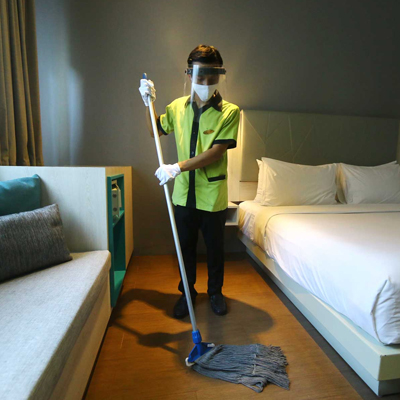
- Health and Safety Protocols: Procedures to protect staff and guests from health risks, including the use of personal protective equipment (PPE).
Continuous Education
Cleaning standards and techniques evolve, and it is crucial to keep your staff updated with the latest practices. Regular training sessions and workshops can help reinforce skills and introduce new cleaning technologies and methods.
Implementing Standard Operating Procedures (SOPs)
Creating Effective SOPs
Standard Operating Procedures (SOPs) are essential for maintaining consistency and high standards in cleaning. SOPs should include:
- Detailed Cleaning Checklists: Specific tasks to be completed in each area, such as dusting, vacuuming, sanitizing surfaces, and replenishing supplies.
- Frequency of Cleaning: Guidelines on how often each task should be performed, from daily cleaning to deep cleaning routines.
- Quality Control Measures: Procedures for inspecting and verifying the quality of cleaning to ensure standards are met.
Training Staff on SOPs
Ensure that all cleaning staff are thoroughly trained on the SOPs. Provide clear instructions and demonstrations, and encourage staff to ask questions and seek clarification if needed. Regularly review and update SOPs to reflect any changes in cleaning practices or hotel policies.
Using the Right Cleaning Products and Equipment
Selecting Suitable Cleaning Agents
Choosing the right cleaning agents is crucial for effective cleaning and maintaining high standards. Consider the following factors:
- Efficacy: Ensure the cleaning products effectively remove dirt, stains, and germs.
- Safety: Use products that are safe for both the cleaning staff and guests, avoiding harsh chemicals that can cause irritation or allergic reactions.
- Environmentally Friendly: Opt for eco-friendly cleaning products that minimize environmental impact.
Investing in Quality Equipment
High-quality cleaning equipment can significantly improve efficiency and results. Equip your staff with:
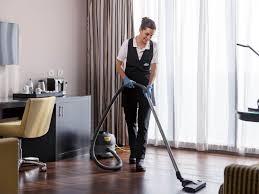
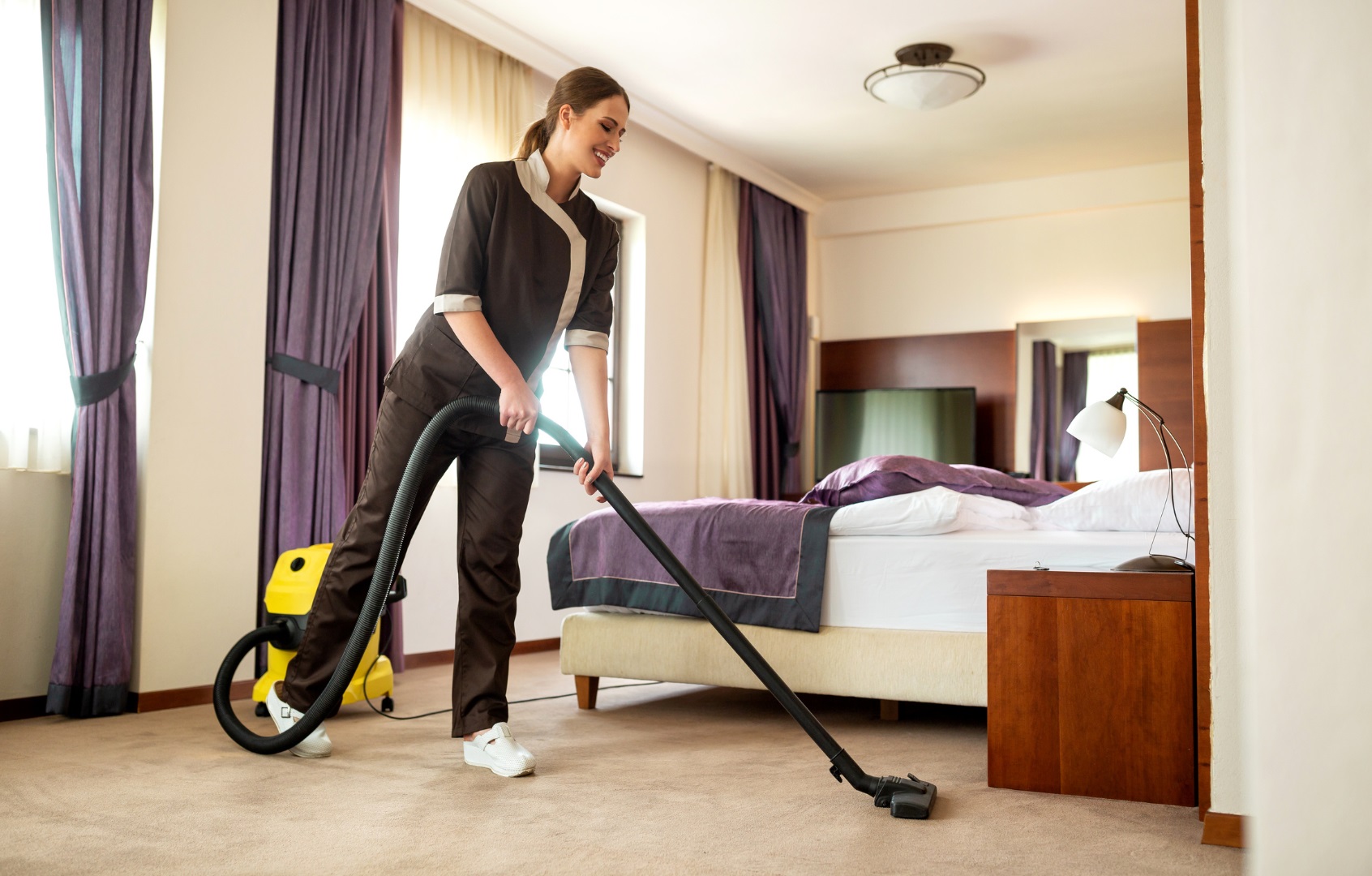
- Vacuum Cleaners: Powerful vacuum cleaners for thorough cleaning of carpets and upholstery.
- Steam Cleaners: Effective for sanitizing surfaces without the need for harsh chemicals.
- Microfiber Cloths and Mops: These are more effective at capturing dust and dirt compared to traditional cleaning materials.
Implementing Effective Cleaning Techniques
Room Cleaning Procedures
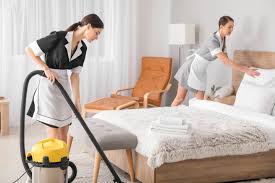
Maintaining high standards requires a systematic approach to cleaning hotel rooms. Here is a step-by-step guide on how to clean a hotel room effectively:
- Preparation: Gather all necessary cleaning supplies and equipment. Ensure the cart is well-stocked with fresh linens, toiletries, and cleaning agents.
- Initial Inspection: Check the room for any obvious issues, such as damages or items left behind by previous guests. Report any problems to the maintenance team.
- Linen Removal: Strip the bed and collect used towels. Place them in the laundry bag for washing.
- Dusting and Wiping: Dust all surfaces, including furniture, lamps, and electronics. Use a microfiber cloth and an appropriate cleaning agent to wipe down surfaces.
- Vacuuming and Mopping: Vacuum the carpet and upholstery thoroughly. For hard floors, use a mop to clean and disinfect the area.
- Bathroom Cleaning: Pay special attention to the bathroom. Clean and sanitize the toilet, sink, shower, and tub. Replenish toiletries and ensure fresh towels are provided.
- Final Inspection: Conduct a final check to ensure all tasks are completed to the highest standards. Adjust any items, such as pillows and curtains, to create a welcoming and tidy appearance.
Common Area Cleaning
Cleaning common areas is equally important as these spaces are frequently used by multiple guests. Key areas to focus on include:
- Lobby and Reception: Ensure the lobby is clean and inviting, with polished floors, dust-free furniture, and sanitized surfaces.
- Dining Areas: Clean and disinfect tables, chairs, and food preparation areas regularly. Follow strict hygiene protocols in the kitchen to prevent contamination.
- Hallways and Elevators: Vacuum carpets and clean elevator buttons and handrails frequently to maintain cleanliness and hygiene.
Quality Control and Inspection
Regular Inspections
To maintain high standards, conduct regular inspections of all areas. Inspections should include:
- Visual Checks: Inspect rooms and common areas for cleanliness and tidiness. Check for any missed spots or incomplete tasks.
- Guest Feedback: Review guest feedback and address any complaints or suggestions regarding cleanliness.
- Staff Performance: Evaluate the performance of cleaning staff and provide feedback to ensure continuous improvement.
Using Technology for Quality Control
Leverage technology to enhance quality control measures. Use mobile apps and software to:
- Track Cleaning Tasks: Monitor the completion of cleaning tasks and ensure adherence to SOPs.
- Schedule Inspections: Plan and record inspection schedules and results.
- Report Issues: Enable staff to report maintenance issues or areas that require additional attention in real-time.
Promoting a Culture of Cleanliness
Encouraging Staff Accountability
Foster a culture of cleanliness by encouraging staff to take pride in their work. Emphasize the importance of their role in maintaining the hotel's reputation and guest satisfaction. Recognize and reward employees who consistently meet or exceed cleaning standards.
Engaging Guests in Cleanliness Efforts
Engage guests in maintaining cleanliness by:
- Providing Information: Inform guests about the hotel's cleaning practices and any measures in place to ensure their safety and comfort.
- Encouraging Responsible Behavior: Encourage guests to practice responsible behavior, such as using trash bins and reporting any spills or damages promptly.
Conclusion
Maintaining high standards in hotel cleaning services is crucial for guest satisfaction, health, and safety, as well as the overall success of the hotel. By investing in staff training, implementing effective SOPs, using the right cleaning products and equipment, and promoting a culture of cleanliness, hotels can ensure a consistently clean and welcoming environment for their guests.
For professional assistance in maintaining high standards in hotel cleaning services, consider partnering with Hotel Cleaning Services, a trusted provider in the industry.
FAQs
1. What are the key components of a comprehensive training program for hotel cleaning staff?
A comprehensive training program for hotel cleaning staff should include training on cleaning techniques, proper use of cleaning products and equipment, health and safety protocols, and regular updates on the latest cleaning practices and technologies.
2. How can SOPs help in maintaining high standards in hotel cleaning?
SOPs provide detailed guidelines and checklists for cleaning tasks, ensuring consistency and quality. They also outline the frequency of cleaning and quality control measures, helping staff understand and meet the hotel's cleaning standards.
3. What should be considered when selecting cleaning products for hotels?
When selecting cleaning products for hotels, consider their efficacy in removing dirt and germs, safety for staff and guests, and environmental impact. Opt for products that are effective, safe, and eco-friendly.
4. How often should hotel rooms be cleaned?
Hotel rooms should be cleaned daily, with additional deep cleaning performed regularly. The frequency of cleaning tasks may vary based on guest turnover and specific hotel policies.
5. How can technology enhance quality control in hotel cleaning services?
Technology can enhance quality control by enabling real-time tracking of cleaning tasks, scheduling inspections, and reporting issues. Mobile apps and software can help monitor adherence to SOPs and facilitate communication between staff and management.