


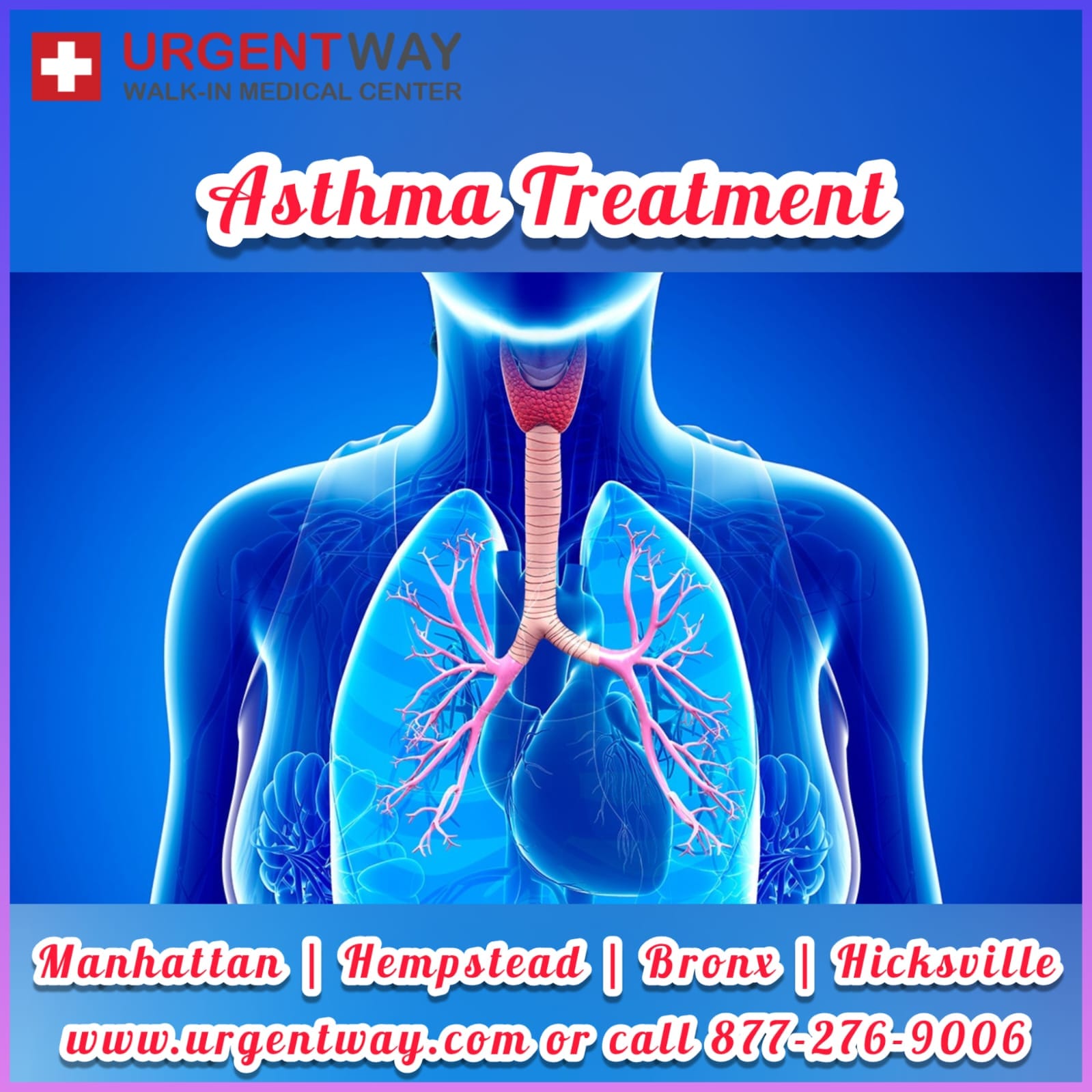
Allergies and asthma are common health concerns that affect millions of people worldwide. They often occur together, leading to a condition known as allergic asthma. Effective management and treatment are crucial for improving the quality of life for those affected.
Lets explores the various aspects of asthma treatment, allergic asthma treatment, and severe asthma treatment, highlighting the importance of comprehensive care.
Understanding Asthma and Allergic Asthma
Asthma is a chronic respiratory condition characterized by inflammation and narrowing of the airways, leading to symptoms such as wheezing, shortness of breath, chest tightness, and coughing. Allergic asthma is a specific type of asthma triggered by allergens such as pollen, dust mites, pet dander, or mold. When individuals with allergic asthma are exposed to these allergens, their immune system overreacts, causing asthma symptoms.
Asthma Treatment: Managing the Condition
Effective asthma treatment involves a combination of medication, lifestyle changes, and regular monitoring. The primary goals are to control symptoms, reduce the frequency of asthma attacks, and maintain normal lung function.
1. Medications:
- Inhaled Corticosteroids: These are the most common and effective long-term control medications for asthma. They reduce inflammation in the airways and help prevent symptoms.
- Long-Acting Beta Agonists (LABAs): These bronchodilators are used in combination with inhaled corticosteroids to help keep airways open.
- Leukotriene Modifiers: These oral medications help reduce inflammation and prevent asthma symptoms.
- Short-Acting Beta Agonists (SABAs): Also known as rescue inhalers, these medications provide quick relief by relaxing the muscles around the airways during an asthma attack.
2. Lifestyle Changes:
- Avoiding Triggers: Identifying and avoiding asthma triggers, such as tobacco smoke, strong odors, and allergens, can significantly reduce symptoms.
- Regular Exercise: Engaging in physical activity strengthens the lungs and improves overall health, though it’s important to manage exercise-induced asthma with appropriate precautions and medication.
3. Monitoring and Action Plan:
- Peak Flow Meter: Regularly using a peak flow meter to monitor lung function can help detect changes early and adjust treatment accordingly.
- Asthma Action Plan: Developing a personalized asthma action plan with a healthcare provider outlines specific steps to take based on symptom severity.
Allergic Asthma Treatment: Addressing the Root Cause
Since allergic asthma is triggered by allergens, effective treatment involves both managing asthma symptoms and addressing the underlying allergies.
1. Allergen Avoidance:
- Environmental Control: Implementing measures to reduce indoor allergens, such as using air purifiers, washing bedding regularly, and minimizing carpeted areas, can help.
- Allergy-Proofing: Using allergen-proof mattress and pillow covers, and keeping pets out of bedrooms can reduce exposure to allergens.
2. Medications:
- Antihistamines: These medications can help control allergic reactions by blocking histamine, a chemical released during allergic responses.
- Nasal Corticosteroids: These sprays reduce inflammation in the nasal passages, alleviating symptoms of allergic rhinitis, which often accompanies allergic asthma.
- Allergy Shots (Immunotherapy): This long-term treatment involves regular injections of small amounts of allergens to gradually desensitize the immune system.
Severe Asthma Treatment: Specialized Care for Advanced Cases
Severe asthma is characterized by frequent symptoms and exacerbations despite regular use of high-dose medications. It requires specialized treatment approaches.
1. Advanced Medications:
- Biologic Therapies: These are targeted treatments for severe asthma that work by blocking specific pathways in the immune system. Examples include omalizumab, mepolizumab, and benralizumab.
- Oral Corticosteroids: These powerful anti-inflammatory drugs are used for short-term management of severe asthma exacerbations, though long-term use is limited due to potential side effects.
2. Specialized Procedures:
- Bronchial Thermoplasty: This procedure involves delivering controlled heat to the airways to reduce excess smooth muscle, decreasing the airway’s ability to constrict.
3. Comprehensive Management:
- Multidisciplinary Care: Managing severe asthma often requires a team approach, including pulmonologists, allergists, and respiratory therapists, to provide comprehensive care and monitoring.
Conclusi
Effective management of asthma, allergic asthma, and severe asthma treatment involves a combination of medications, lifestyle changes, and specialized treatments. By understanding the specific needs of each condition and working closely with healthcare providers, individuals can achieve better control over their symptoms and improve their quality of life. Prioritizing comprehensive care and staying informed about the latest treatment options are key to successfully navigating the challenges of allergy and asthma care.