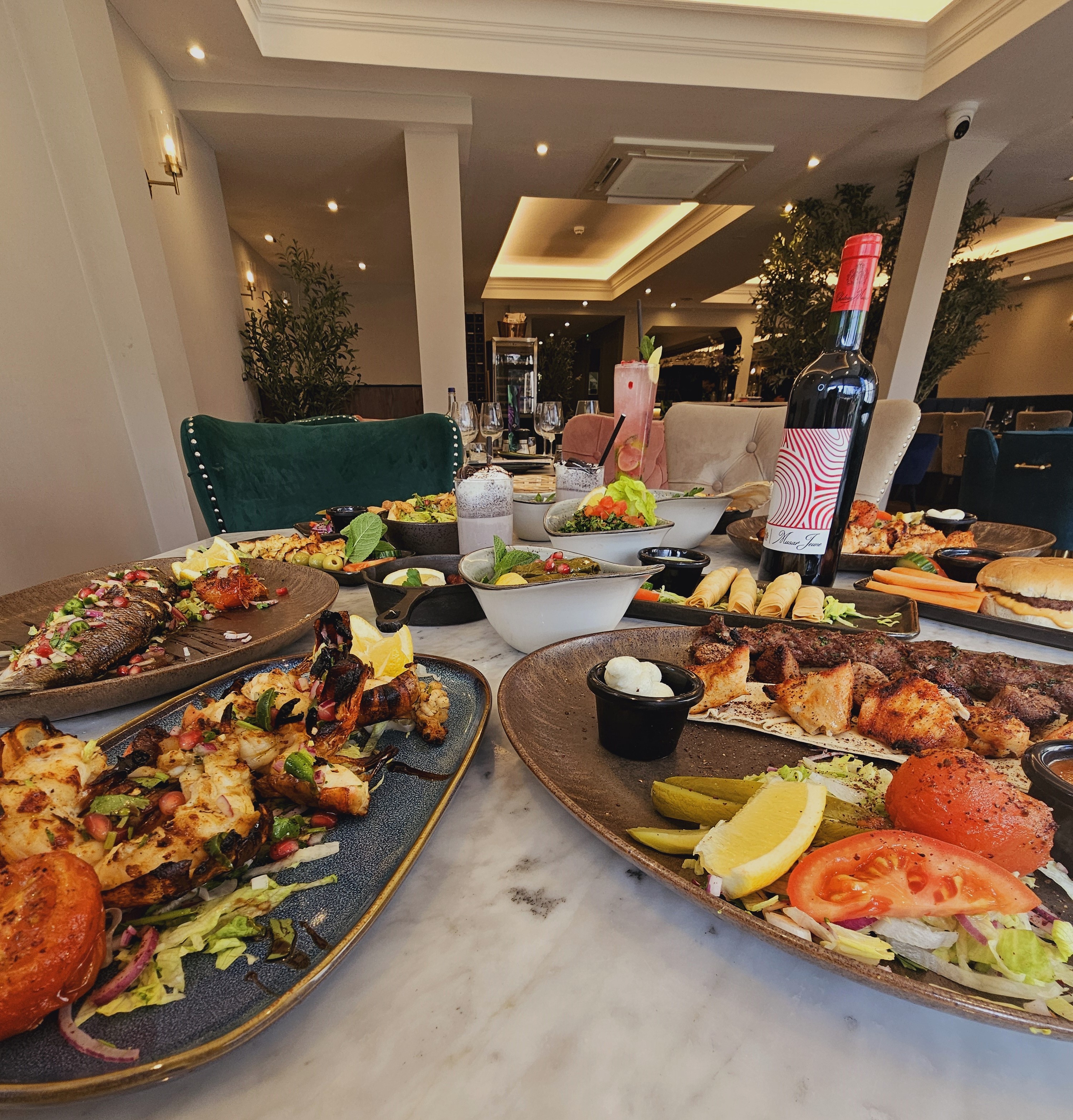


The culinary heritage of Lebanon is a vibrant mosaic of flavors, where each dish tells a story of cultural richness and tradition. Lebanese food is celebrated for its fresh ingredients, robust spices, and communal eating style. Complementing these savory dishes are traditional Middle Eastern desserts, with Mahalabia (Rose Water Milk Pudding) being a standout for its simplicity and elegance.
The Essence of Lebanese Food
Lebanese Cuisines are the feast for the senses. It emphasizes fresh, wholesome ingredients, and each dish is a harmonious blend of textures and flavors. Here are some iconic Lebanese dishes:
- Kibbeh: Often called the national dish of Lebanon, kibbeh consists of ground meat (usually lamb), bulgur, and spices, formed into balls or patties.
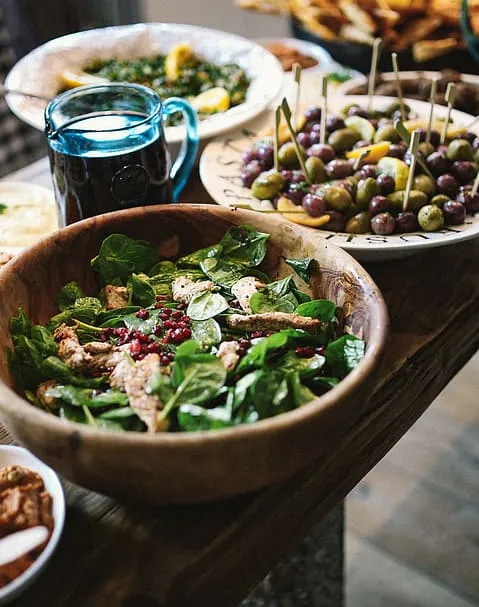
- Fattoush: A bright and zesty salad made with mixed greens, tomatoes, cucumbers, radishes, and crispy pita bread, dressed with a tangy lemon and sumac dressing.
- Mujadara: A hearty dish of lentils, rice, and caramelized onions, seasoned with cumin and served with a side of yogurt or salad.
- Baba Ghanoush: A smoky, creamy dip made from roasted eggplants, tahini, olive oil, and garlic.
These dishes reflect the heart of Lebanese cooking, where sharing food is an integral part of social and family gatherings.
Traditional Middle Eastern Desserts
Traditional Middle Eastern desserts are known for their richness and aromatic flavors. Key ingredients like nuts, honey, and floral waters are commonly used. Some classic desserts include:
- Qatayef: Sweet dumplings filled with cheese or nuts, typically served during Ramadan.
- Basbousa: A semolina cake soaked in simple syrup, often garnished with coconut or almonds.
- Maamoul: Shortbread cookies filled with dates, pistachios, or walnuts, and dusted with powdered sugar.
The Allure of Mahalabia (Rose Water Milk Pudding)
Mahalabia, or Rose Water Milk Pudding, is a traditional Middle Eastern dessert that captivates with its delicate flavor and silky texture. It’s made from milk, sugar, and cornstarch, with rose water providing a subtle floral note. Often garnished with crushed pistachios or a dusting of cinnamon, Mahalabia (Rose Water Milk Pudding) is both refreshing and comforting.
To prepare Mahalabia, you will need:
- 4 cups of milk
- 1/2 cup of sugar
- 4 tablespoons of cornstarch
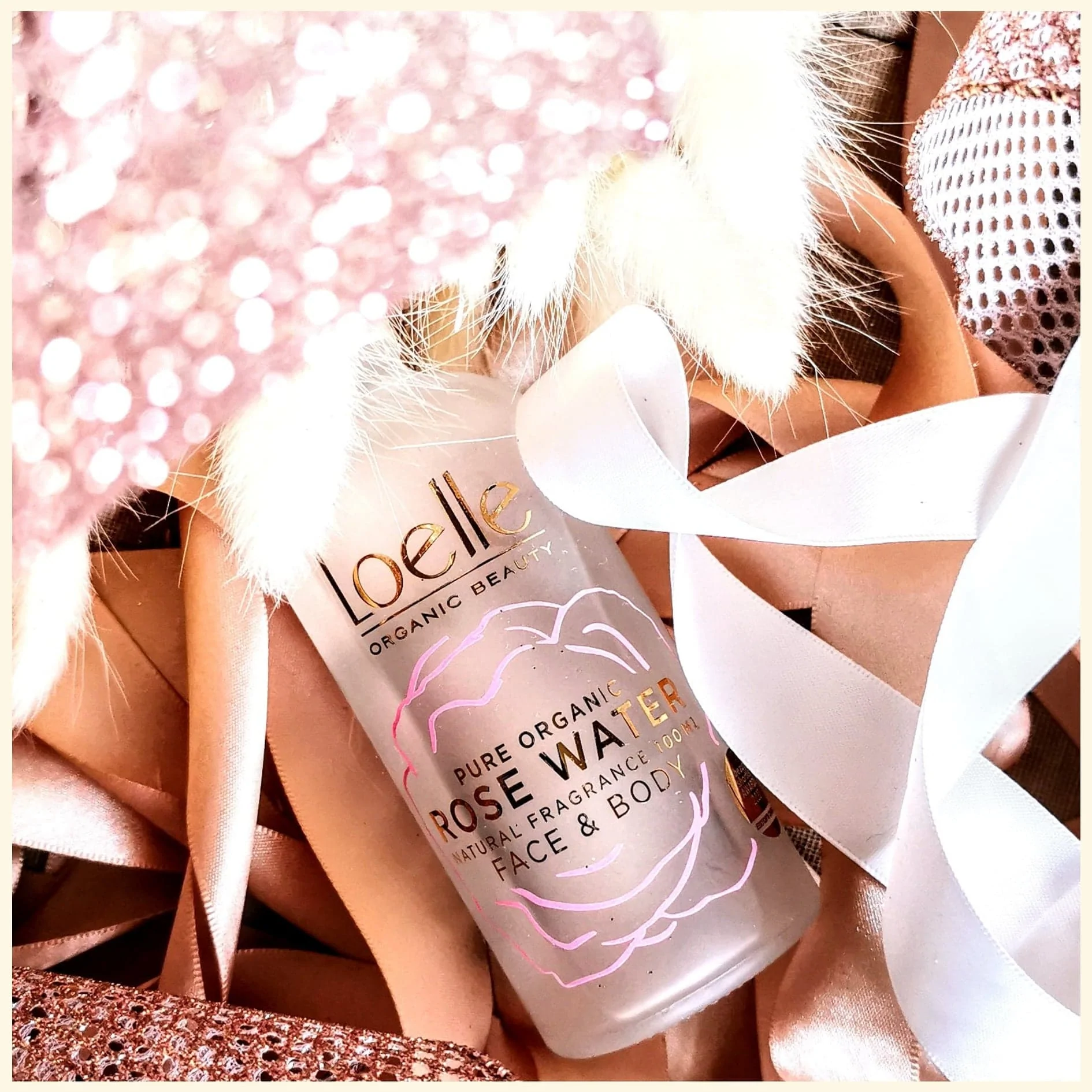
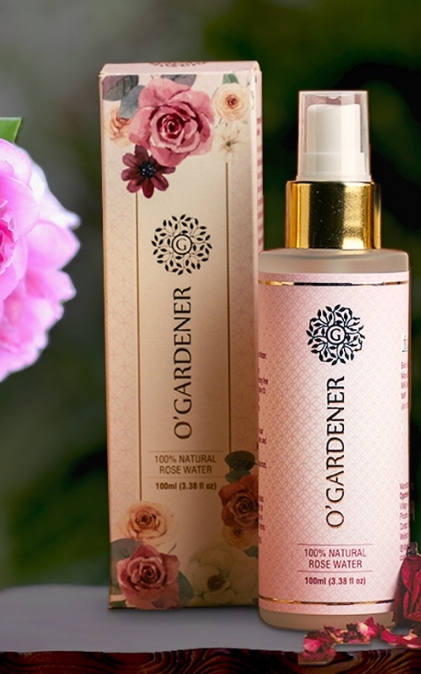
- 1-2 teaspoons of rose water
- Crushed pistachios or cinnamon for garnish
Instructions:
- Heat the milk and sugar in a saucepan over medium heat until the sugar is fully dissolved.
- Dissolve the cornstarch in a small amount of cold milk and add it to the saucepan.
- Stir continuously until the mixture thickens to a pudding-like consistency.
- Remove from heat and stir in the rose water.
- Pour the pudding into individual serving dishes and allow it to cool.
- Chill in the refrigerator for at least two hours before serving.
- Garnish with crushed pistachios or a sprinkle of cinnamon before serving.
Mahalabia is often enjoyed as a light dessert, perfect after a rich meal, offering a gentle sweetness that is not overwhelming.
FAQs
Q: What are the main characteristics of Lebanese food?
A: Lebanese food is known for its fresh, healthy ingredients and vibrant flavors. It often includes a variety of vegetables, grains, and lean proteins, seasoned with herbs and spices.
Q: Can you name some traditional Lebanese dishes?
A: Traditional Lebanese dishes include Kibbeh, Fattoush, Mujadara, and Baba Ghanoush. These dishes are commonly served as part of a mezze, a collection of small plates.
Q: What are some popular Middle Eastern desserts?
A: Popular Middle Eastern desserts include Qatayef, Basbousa, Maamoul, and Mahalabia. These sweets often incorporate ingredients like nuts, honey, and aromatic spices.
Q: How is Mahalabia made?
A: Mahalabia is made by cooking milk, sugar, and cornstarch together until thickened, then adding rose water. It is chilled before serving and garnished with pistachios or
cinnamon.
Q: Is it difficult to prepare Lebanese food at home?
A: Preparing Lebanese food at home is quite accessible. Many recipes are straightforward and use readily available ingredients. Dishes like Hummus, Tabbouleh, and Mahalabia are easy to make and delicious.
Lebanese food and traditional Middle Eastern desserts offer a culinary experience that is both rich and inviting. Whether you’re