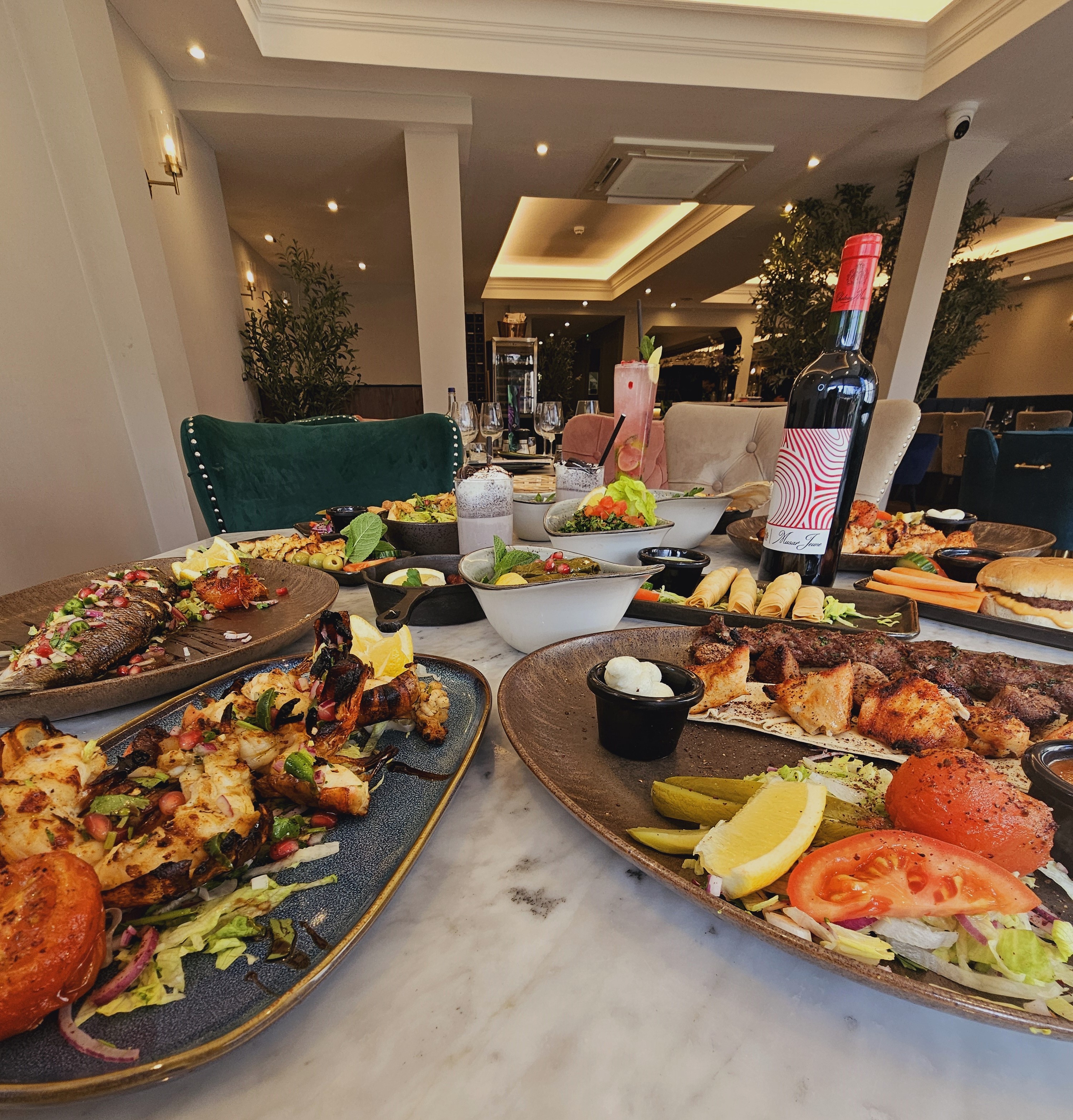


Lebanese food is a vibrant tapestry of flavors, where every dish tells a story of the country’s rich cultural heritage. Among the many culinary delights of Lebanon, the desserts hold a special place. From the fragrant Mahalabia, a rose water milk pudding, to the wide array of traditional Middle Eastern desserts, there is something for every sweet tooth.
The Essence of Lebanese Food
Lebanese Food is renowned for its freshness and variety. It is a cuisine that balances the richness of spices with the natural flavors of ingredients, resulting in dishes that are both nutritious and delicious. While savory dishes like kibbeh and shawarma often take the spotlight, Lebanese desserts are equally deserving of attention.
What Makes Mahalabia Special?
Mahalabia, also known as Muhallabiyeh, is a beloved dessert in Lebanese and broader Middle Eastern cuisine. This rose water milk pudding is a simple yet elegant dessert that is cherished for its light, creamy texture and aromatic flavor. Mahalabia (Rose Water Milk Pudding) is a dessert that perfectly captures the essence of Lebanese food—fresh, flavorful, and infused with tradition.
The pudding is made by simmering milk with sugar until it thickens, then flavored with rose water and sometimes orange blossom water. Once the pudding is poured into serving dishes, it is allowed to cool and set before being garnished with toppings such as crushed pistachios, almonds, or even a drizzle of honey. The result is a dessert that is both refreshing and indulgent, making it a perfect end to any meal.
Mahalabia is often enjoyed during the holy month of Ramadan as a light dessert to break the fast. Its cooling properties make it an ideal treat during the hot summer months, offering a sweet respite from the heat.
A Journey Through Traditional Middle Eastern Desserts
Lebanese cuisine shares many of its dessert traditions with the broader Middle Eastern region. These desserts are often characterized by their use of nuts, honey, and aromatic waters like rose and orange blossom. The combination of these ingredients creates desserts that are rich, fragrant, and satisfying.
Baklava is perhaps the most famous of these desserts. This sweet pastry, made of layers of filo dough filled with chopped nuts and soaked in honey or syrup, is enjoyed across the Middle East. Its crispy texture and sweet, nutty flavor make it a popular choice for special occasions.
Kanafeh is another dessert that holds a special place in Lebanese hearts. This cheese pastry is soaked in sweet syrup and often topped with crushed pistachios. The contrast between the crispy exterior and the gooey cheese filling makes it a unique and indulgent treat.
Maamoul, a traditional Lebanese shortbread cookie filled with dates, nuts, or figs, is a dessert that is often made during religious holidays. These cookies are not only delicious but also beautifully decorated, often shaped using special molds that create intricate patterns.
The Role of Desserts in Lebanese Culture
In Lebanese culture, traditional Middle Eastern desserts are more than just food—they are a symbol of hospitality and celebration. Whether it’s a family gathering, a religious holiday, or a special occasion, desserts like Mahalabia and Baklava play a central role in bringing people together.
Lebanese desserts are often made using recipes that have been passed down through generations. These recipes are a testament to the country’s rich culinary heritage and its emphasis on family and tradition. Each dessert carries with it the flavors of the past, making them an integral part of Lebanese identity.
FAQs
1. What is the origin of Mahalabia?
Mahalabia is believed to have originated in the Middle East, with variations of the dessert found across the region. It is particularly popular in Lebanese cuisine.
2. How do you store Mahalabia?
Mahalabia should be stored in the refrigerator and can be kept for up to three days. It is best served chilled.
3. What are the main ingredients in traditional Middle Eastern desserts?
Traditional Middle Eastern desserts often include ingredients such as nuts (like pistachios and almonds), honey, rose water, orange blossom water, and spices like cinnamon and cardamom.
4. Can I make Mahalabia without rose water?
Yes, you can make Mahalabia without rose water, although the rose water adds a distinctive flavor that is characteristic of the dessert. Orange blossom water can be used as an alternative.
5. Are Middle Eastern desserts gluten-free?
Some Middle Eastern desserts, like Mahalabia, are naturally gluten-free. However, others, like Baklava, are made with filo dough, which contains gluten. It’s always best to check the ingredients if you have dietary restrictions.