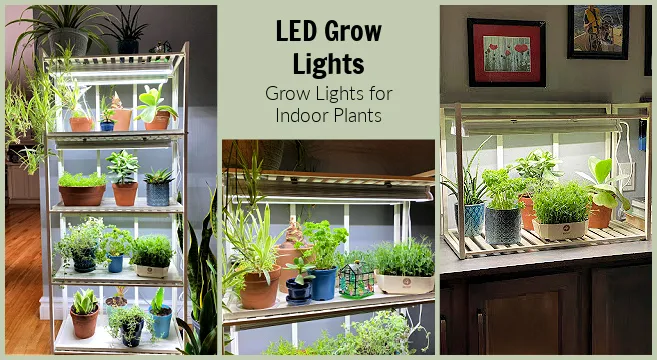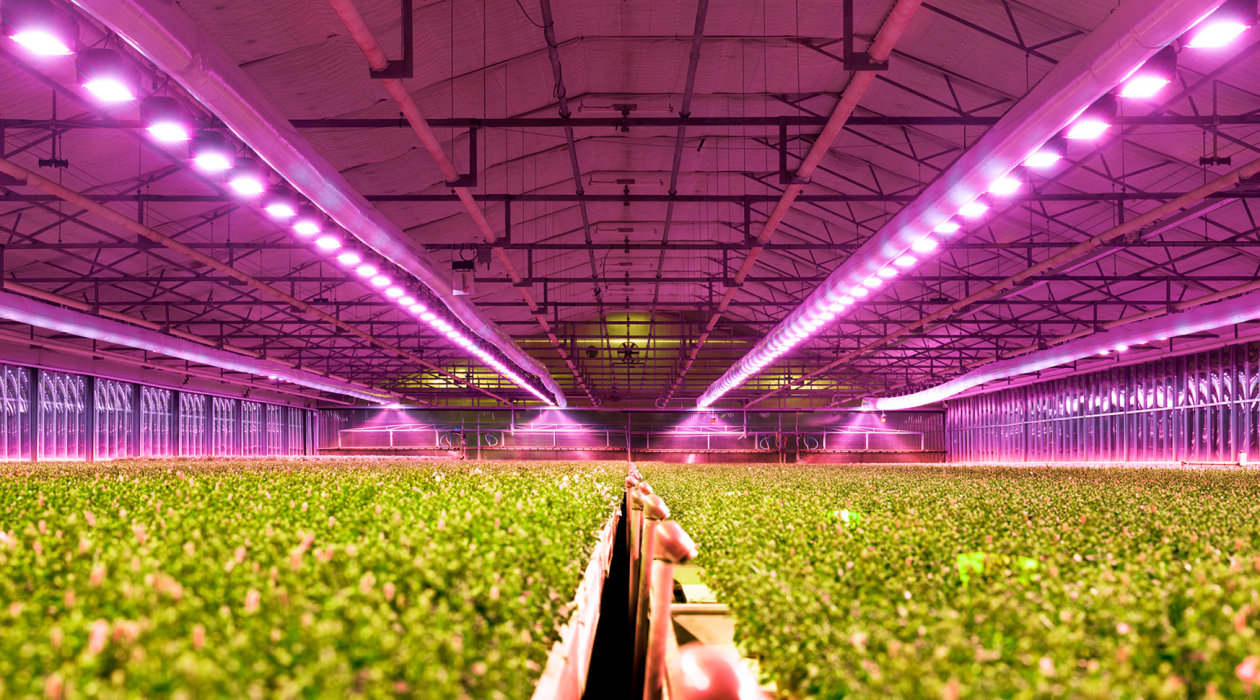
In the modern world of agriculture, commercial greenhouse LED grow lights have become a game-changer. They offer numerous benefits, including cost reduction and increased return on investment (ROI) for greenhouse operations. But how exactly do these lights achieve this? Let's dive into the world of LED grow lights and explore their impact on greenhouses.
Understanding LED Grow Lights
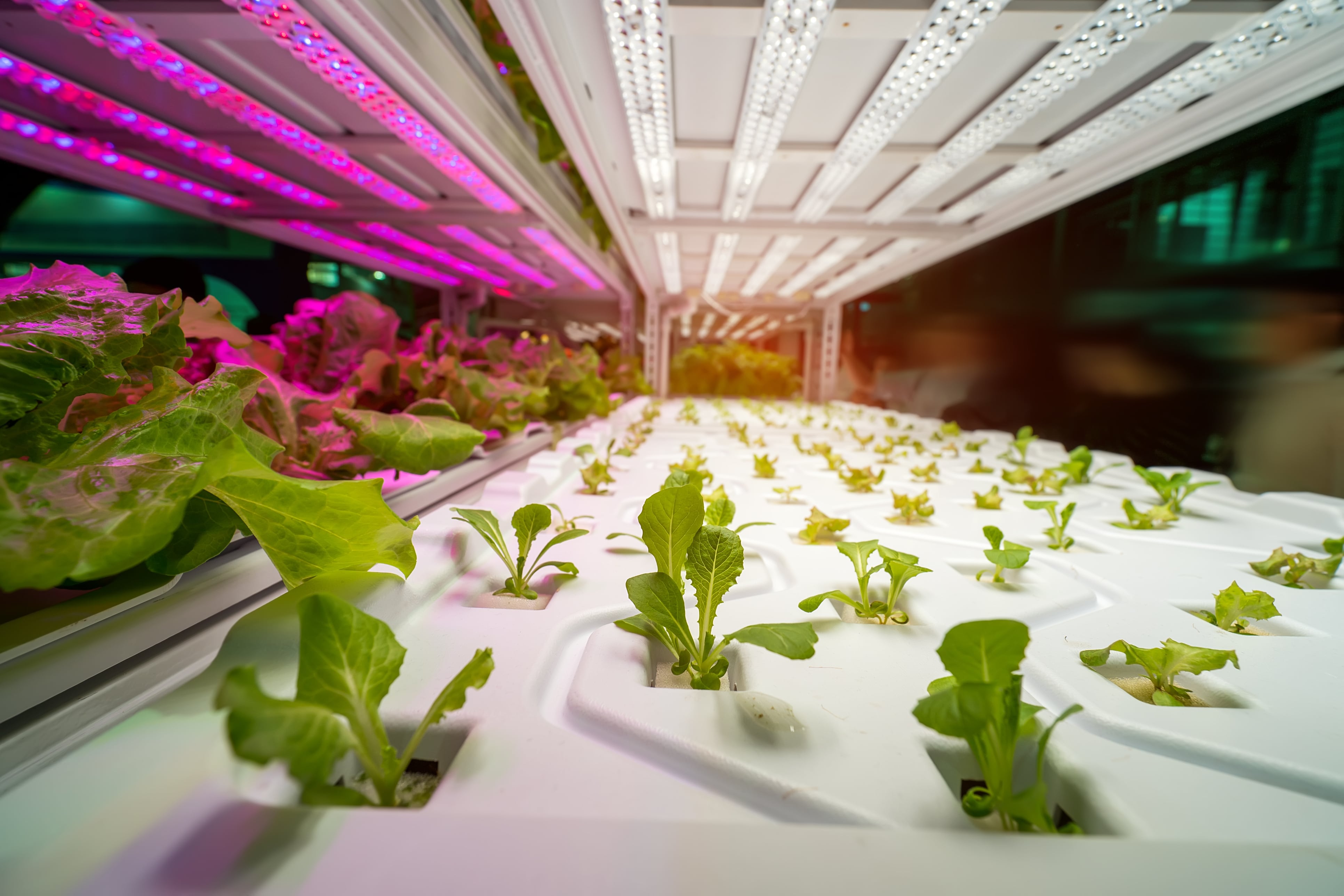
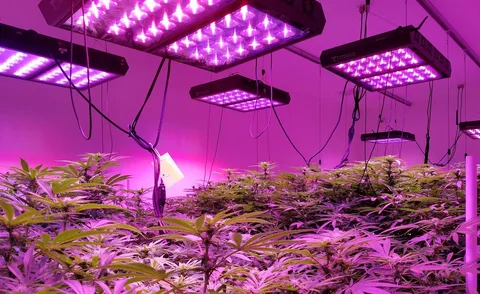
LED grow lights are specially designed to emit the ideal light spectrum for plant growth. Unlike traditional lighting, which can be inefficient and generate excessive heat, LED lights provide precise wavelengths that plants need for photosynthesis. This not only makes them more energy-efficient but also more effective in promoting plant growth.
The Evolution of Greenhouse Lighting
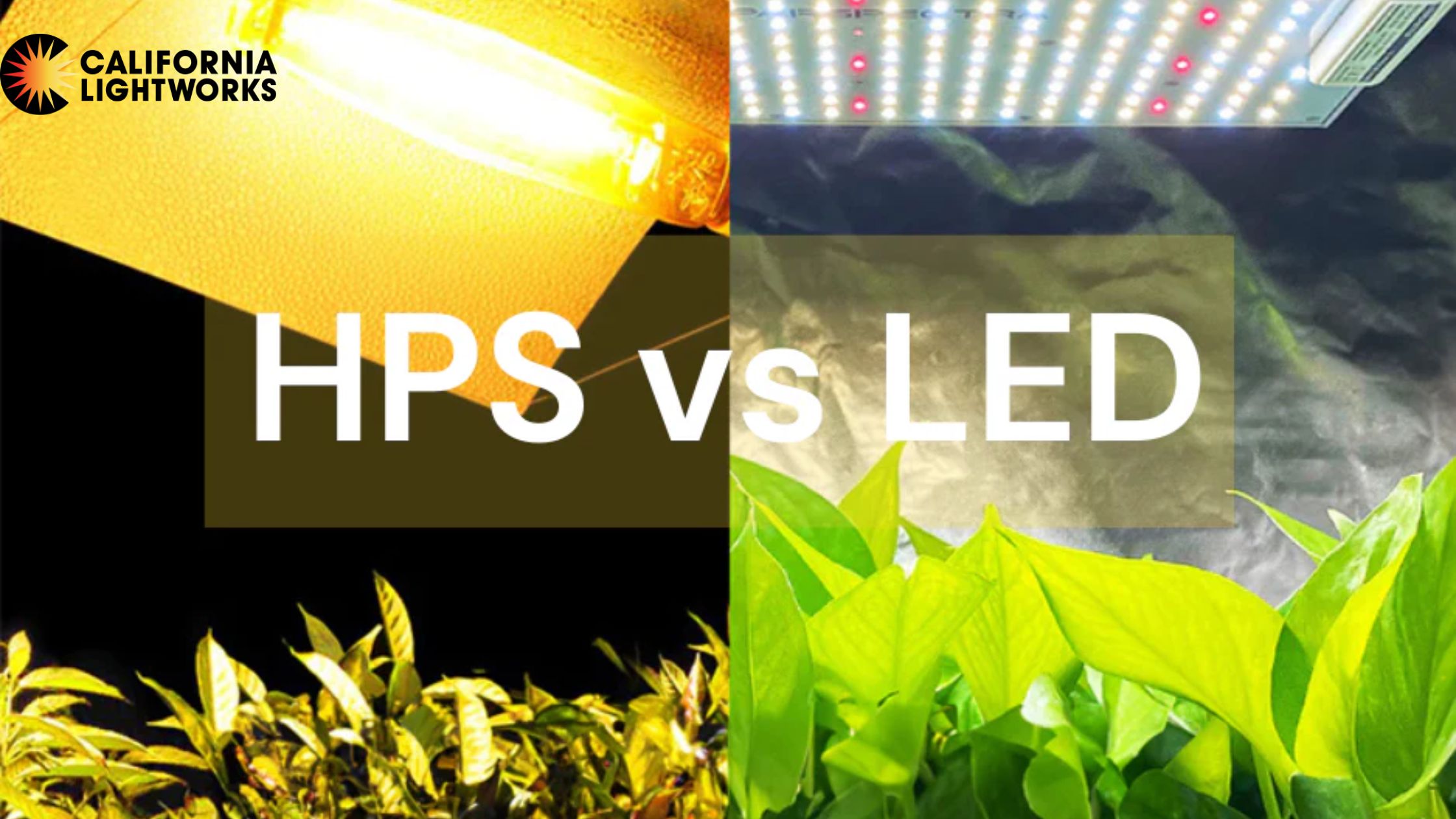
Before the advent of LED technology, greenhouses primarily used fluorescent or high-pressure sodium (HPS) lights. While these lights served their purpose, they had several drawbacks, including high energy consumption, significant heat output, and shorter lifespans. The transition to LED grow lights marked a significant improvement, offering better efficiency and performance.
Cost Efficiency of LED Grow Lights
One of the most compelling reasons for adopting LED grow lights is their cost efficiency. Although the initial investment might be higher compared to traditional lighting, the long-term savings are substantial. LEDs consume less power, reducing electricity bills, and they require less frequent replacement, which cuts down on maintenance costs.
Energy Savings and Environmental Impact
LED grow lights are renowned for their energy efficiency. They use up to 50% less energy than traditional lighting systems. This reduction in energy consumption not only lowers operating costs but also decreases the environmental footprint of greenhouse operations. By switching to LEDs, greenhouses can contribute to sustainability and reduce their carbon emissions.
Enhanced Crop Yield and Quality
LED grow lights can be fine-tuned to provide the optimal light spectrum for different stages of plant growth. This precision allows for healthier, faster-growing plants, leading to higher yields and better quality produce. Whether you're growing leafy greens, tomatoes, or flowers, LED lights can significantly boost your crop output.
Lifespan and Durability of LEDs
One of the standout features of LED grow lights is their longevity. LEDs can last up to 50,000 hours or more, depending on usage and quality. This durability means fewer replacements and less downtime for greenhouse operations, further enhancing cost savings and efficiency.
Flexibility and Control
LED grow lights offer unparalleled flexibility and control over the growing environment. Growers can adjust the light spectrum, intensity, and duration to match the specific needs of their crops. This level of control ensures optimal growing conditions, leading to healthier plants and more consistent yields.
Overcoming Initial Investment Concerns
While the initial cost of LED grow lights can be a barrier for some greenhouse operators, it's important to consider the long-term ROI. The savings on energy and maintenance, coupled with the increased yield, often outweigh the upfront investment. Additionally, various financing options and leasing programs are available to help mitigate the initial expense.
Government Incentives and Rebates
Many governments offer incentives and rebates for adopting energy-efficient technologies like LED grow lights. These programs can significantly offset the initial cost and make the transition more affordable. Greenhouse operators should explore local and national programs to take advantage of these financial benefits.
Future Trends in LED Grow Lighting
The future of LED grow lights looks promising, with ongoing advancements in technology. Innovations such as smart lighting systems, improved light spectrum tuning, and integration with automated greenhouse systems are on the horizon. These developments will further enhance the efficiency and effectiveness of LED grow lights in greenhouse operations.
Conclusion
Commercial greenhouse LED grow lights are revolutionizing the way we approach greenhouse farming. They offer numerous benefits, from cost savings and energy efficiency to improved crop yields and sustainability. By investing in LED technology, greenhouse operators can achieve a higher ROI and contribute to a greener future.
FAQs
How do LED grow lights save energy?
LED grow lights are designed to be highly energy-efficient, using up to 50% less power than traditional lighting systems. They achieve this by emitting light in specific wavelengths that plants need, minimizing wasted energy.
What are the benefits of using LED grow lights in a commercial greenhouse?
LED grow lights offer numerous benefits, including lower energy costs, reduced heat output, longer lifespan, enhanced crop yields, and greater control over the growing environment.
Are there any government incentives for switching to LED grow lights?
Yes, many governments offer incentives and rebates for adopting energy-efficient technologies like LED grow lights. These programs can help offset the initial cost and make the transition more affordable.
How long do LED grow lights last?
LED grow lights can last up to 50,000 hours or more, depending on usage and quality. This longevity reduces the need for frequent replacements and lowers maintenance costs.
What are the future trends in LED grow lighting?
Future trends in LED grow lighting include advancements in smart lighting systems, improved light spectrum tuning, and integration with automated greenhouse systems. These innovations will enhance the efficiency and effectiveness of LED grow lights.