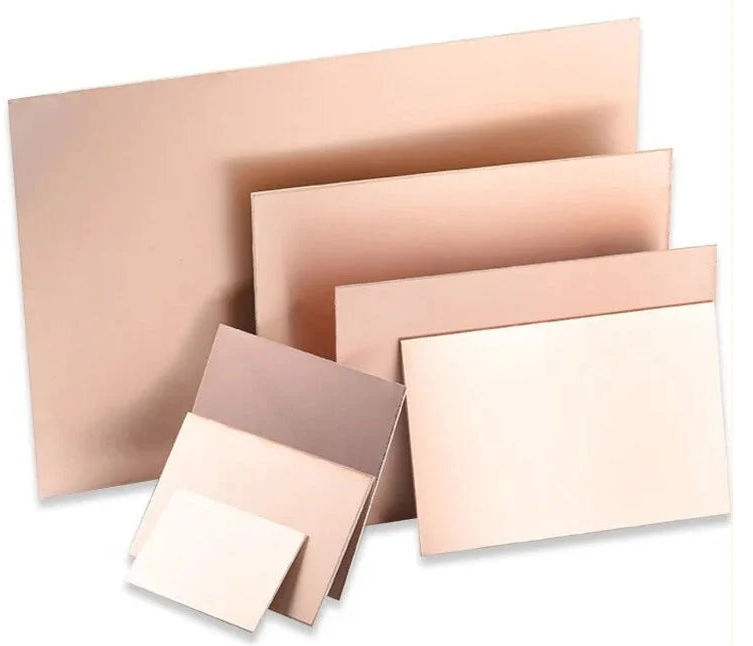


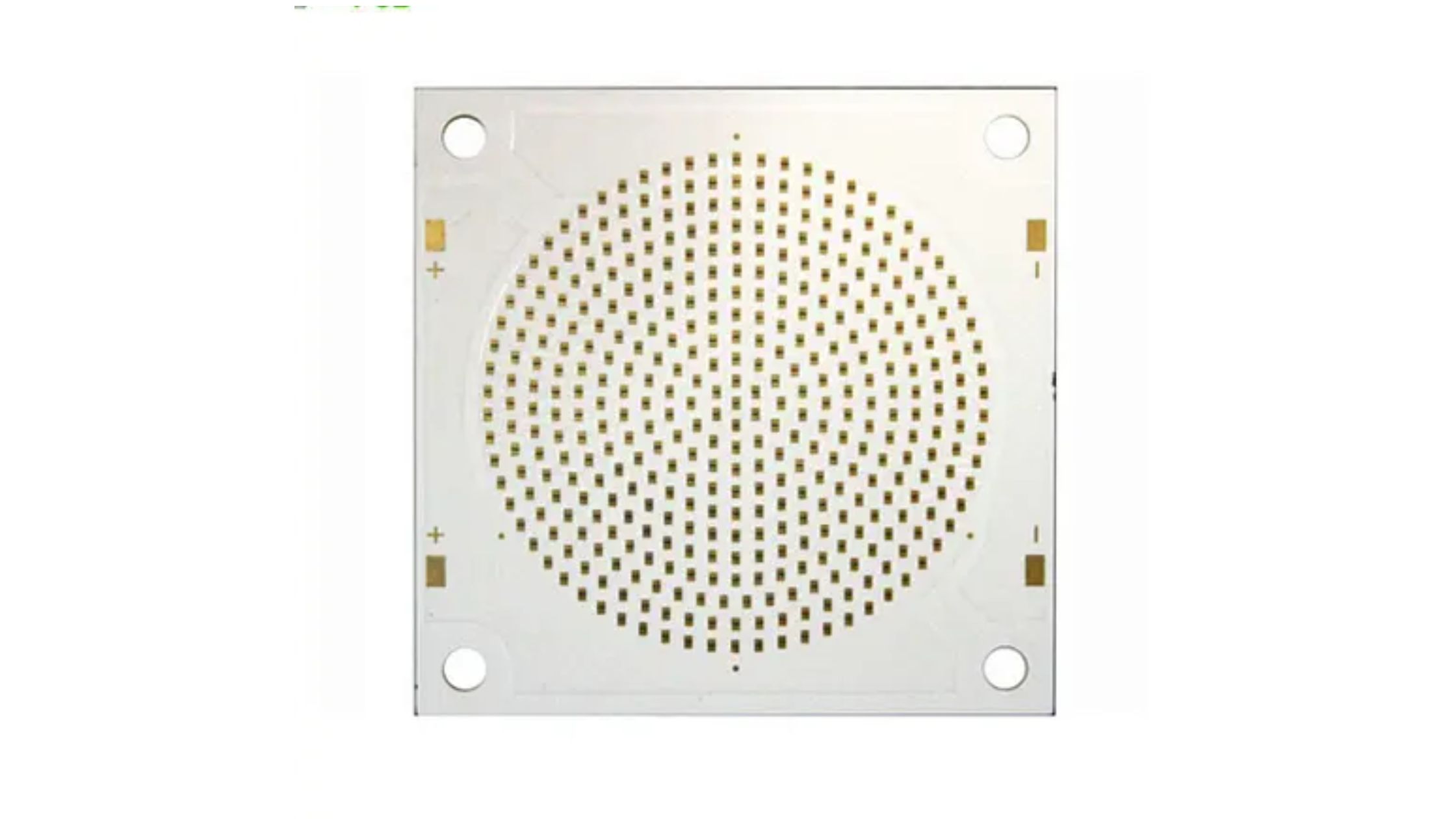
Metal-clad PCBs (Printed Circuit Boards) represent a pivotal advancement in electronics, especially for applications requiring superior thermal management capabilities. Whether you're developing devices for automotive, aerospace, LED lighting, or other high-performance sectors, mastering the art of optimizing thermal management with Metal-Clad PCBs is crucial for achieving peak efficiency and reliability.
What are metal-clad PCBs?
Metal-clad PCBs, also known as Metal Core PCBs or Thermal PCBs, incorporate a metal base layer that enhances heat dissipation. This metal layer, typically composed of aluminum or copper, acts as a highly efficient heat sink. Unlike conventional PCBs that rely solely on insulating materials like fiberglass, metal-clad PCBs integrate metal to improve thermal conductivity and heat dissipation capabilities significantly.
Advantages of Metal Clad PCBs
- Enhanced Heat Dissipation: Metal Clad PCBs excel in dissipating heat through their metal core, effectively managing thermal loads and preventing overheating of critical components such as LEDs, power transistors, and processors.
- Improved Reliability: By efficiently managing heat, metal-clad PCBs enhance the longevity and stability of electronic devices. They minimize the risk of component failure due to thermal stress, ensuring consistent performance under challenging conditions.
- Compact Design: Metal-clad PCBs' superior thermal efficiency allows for more compact and lightweight designs. This is particularly beneficial in applications where space optimization is crucial, such as automotive electronics and portable consumer devices.
- Enhanced Electrical Performance: Metal-clad PCBs often exhibit improved electrical performance due to the stable thermal environment provided by the metal core. This can lead to better signal integrity and reduced electrical losses, especially in high-frequency applications.
- Cost Efficiency: Despite the initial investment in materials, metal-clad PCBs can offer cost savings over time by reducing the need for additional cooling components or system redesigns. They improve system efficiency and reliability, potentially lowering maintenance and operational costs.
Design Considerations for Optimal Thermal Management
To fully harness the thermal management benefits of metal-clad PCBs, engineers should consider the following key design strategies:
- Selection of Metal Core Material: Choose the appropriate metal core material (aluminum or copper) based on specific thermal conductivity requirements and mechanical strength considerations.
- Component Placement: Strategically position heat-generating components closer to the metal core. This ensures maximum heat dissipation efficiency and minimizes thermal resistance pathways.
- Thermal Via Design: Implement thermal vias to connect heat-generating component pads directly to the metal core. This facilitates efficient heat transfer from the components to the PCB surface and the surrounding environment.
- Integration of Heat Sinks: Incorporate external heat sinks or thermal interface materials where necessary to enhance heat dissipation capabilities further. This additional thermal management layer can significantly improve overall system performance and reliability.
- Environmental Considerations: Factor in environmental conditions and operational scenarios during the PCB design phase. Considerations such as ambient temperature variations, airflow patterns, and enclosure design can impact the effectiveness of thermal management strategies. Designing PCBs with these factors ensures robust thermal performance across diverse operating conditions.
Applications of Metal Clad PCBs
Metal Clad PCBs find diverse applications across industries where effective thermal management is paramount:
- LED Lighting: Ensure LEDs operate at optimal temperatures, thereby extending their lifespan and maintaining consistent light output and color rendering.
- Automotive Electronics: Used extensively in power electronics, LED headlights, and motor control units to withstand high temperatures and vibrations in automotive environments.
- Consumer Electronics: Found in high-power devices such as computer CPUs and GPUs, where efficient thermal management directly impacts performance, reliability, and longevity.
- Renewable Energy Systems: Metal-clad PCBs are integral in renewable energy systems. They effectively manage high-power components, ensuring reliable operation under varying environmental conditions.
- Medical Devices: Metal-clad PCBs are used in medical electronics for devices requiring precise temperature control and reliability, such as MRI machines, ultrasound equipment, and patient monitoring systems. They help maintain stable performance and ensure patient safety.
The Final NOTE
Metal-clad PCBs offer substantial advantages over traditional PCBs in terms of thermal management and performance optimization. Engineers can significantly improve device reliability, efficiency, and compactness across various industrial applications by leveraging their enhanced heat dissipation capabilities through meticulous design considerations.
Whether you aim to enhance LED lighting efficiency, optimize automotive electronics, or improve consumer electronics' thermal performance, integrating Metal Clad PCBs into your designs is a strategic choice for achieving superior thermal management and ensuring long-term reliability and performance stability!


It takes years to reach at the position where American Standard Circuit stands now.
ASC Inc. took a step ahead in printed circuit board industry by maintaining highest level of trusted quality in this service providing business.
We have a strong and talented team of engineers to design with creativity and in a professional way to design and manufacture the circuits to solve your purpose in a affordable way.ASC Inc. work on various different type of service such as PCB Design & Layout, RF Testing and Machining.
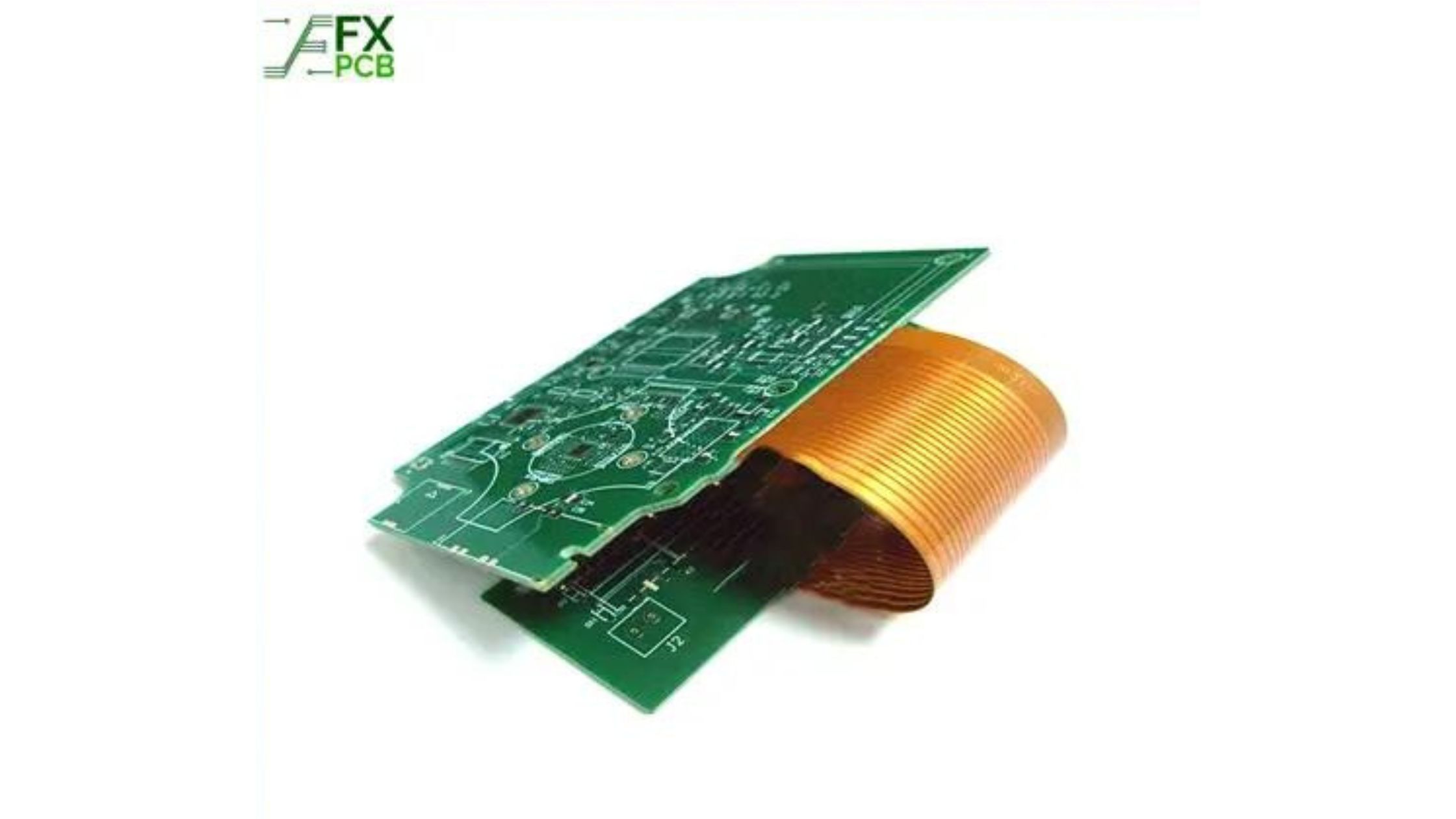
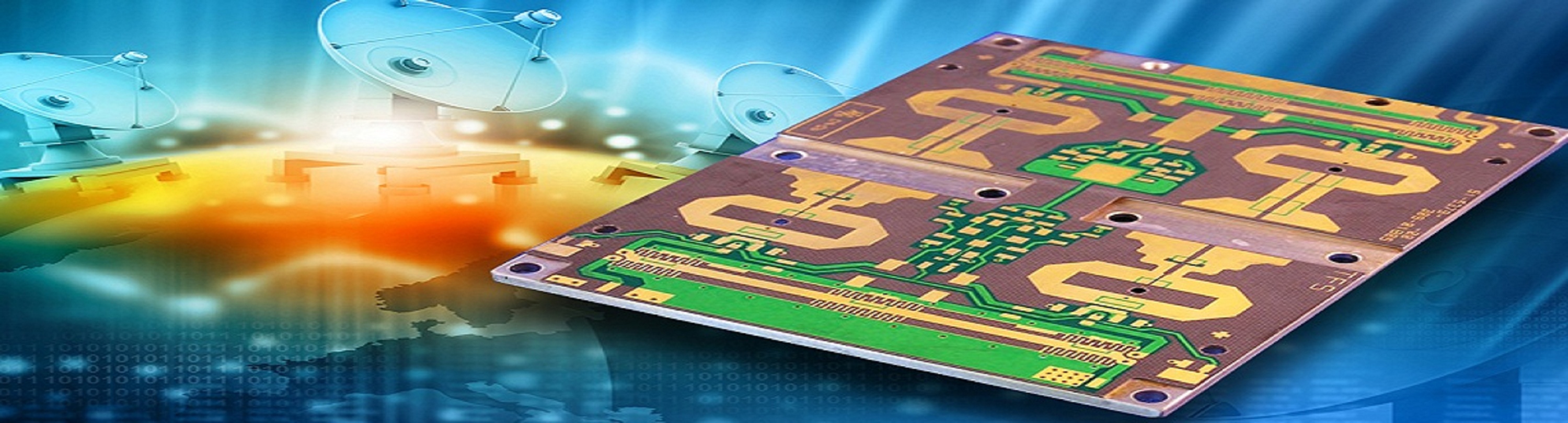
We also specialize in Flexible PCB and Rigid Flexible PCB , Metal Clad PCB [MCPCB], Insulated Metal PCB [IMPCB], RF / Microwave PCB, Metal Core PCB, rigid flex pcb, Micro Via PCB, Cavity PCB, Hybrid PCB, Back-drilling PCB & Digital PCB.
Do feel free to give a call to ASC Inc. on (630) 639-5444 to get a quote or answer of any of your query