






Choosing the right packaging materials for shipping goods from China to the USA is crucial to ensure that products arrive safely, maintain their quality, and meet regulatory requirements. Here’s a comprehensive guide to help you navigate the selection of packaging materials:
1. Understand Your Products
Before selecting packaging materials, it’s essential to understand the nature of your products. Consider the following:
- Fragility: Determine whether the items are fragile or sturdy. Fragile items may require additional cushioning and protective materials.
- Weight: Heavier items may need stronger packaging to support their weight.
- Dimensions: Measure the size of your products accurately to select appropriately sized packaging materials.
- Sensitivity: Consider whether your products are sensitive to temperature, moisture, or light, which may require special packaging solutions.
2. Choose the Right Packaging Type
There are several types of packaging options to consider for shipping from China to the USA:
a. Boxes
- Corrugated Boxes: These are the most common type of packaging for shipping. They provide good protection and come in various sizes and strengths. Double-wall boxes are ideal for heavier or fragile items.
- Rigid Boxes: Suitable for high-value products, rigid boxes offer a premium presentation and extra protection.
b. Pallets
- Wooden Pallets: Ideal for bulk shipments, wooden pallets can support heavy loads but may require fumigation for international shipping.
- Plastic Pallets: Lighter and more durable than wooden pallets, plastic pallets are resistant to moisture and pests.
c. Envelopes and Bags
- Padded Envelopes: Good for lightweight, flat items such as documents or small electronics, padded envelopes provide minimal protection but are cost-effective.
- Poly Bags: Useful for clothing or textiles, poly bags are lightweight and moisture-resistant. Ensure that they meet the necessary thickness for protection.
3. Cushioning Materials
To protect items during transit, consider various cushioning materials:
a. Bubble Wrap
- Usage: Ideal for fragile items, bubble wrap provides excellent cushioning and shock absorption. It is lightweight and can be wrapped around individual products or layered in boxes.
b. Foam Sheets and Inserts
- Usage: Foam materials provide superior protection and are excellent for delicate items. Custom foam inserts can be designed to fit specific products, reducing movement during transit.
c. Packing Peanuts
- Usage: Made of expanded polystyrene, packing peanuts are great for filling voids in boxes and preventing movement. They are lightweight but can be less environmentally friendly.
d. Air Pillows
- Usage: These are inflatable cushions that protect items from shocks. They are lightweight and can fill empty spaces in packaging effectively.
4. Sealing and Closure
Selecting the right sealing methods and materials is crucial to ensure the integrity of the package:
a. Packing Tape
- Types: Choose high-quality packing tape that is at least 2 inches wide and strong enough to hold your boxes securely. Acrylic or polypropylene tapes are good options.
- Usage: Apply tape along the seams and edges of the boxes to secure them properly.
b. Strapping
- Usage: For larger or heavier shipments, strapping with polypropylene or steel strapping can add extra security and prevent boxes from opening during transit.
c. Shrink Wrap
- Usage: Used for securing palletized items, shrink wrap provides a waterproof barrier and keeps goods bundled together.
5. Compliance with Regulations
When shipping from China to the USA, it is vital to comply with packaging regulations:
a. Customs Regulations
- Labeling: Ensure that all packages are labeled correctly, including shipping labels, customs declarations, and any specific handling instructions.
- Documentation: Include all necessary documentation, such as invoices, packing lists, and any required certificates (e.g., phytosanitary certificates for agricultural products).
b. Material Standards
- Environmental Standards: Be aware of any environmental regulations regarding packaging materials, especially regarding plastics. Using recyclable or biodegradable materials can help meet sustainability goals and comply with regulations.
6. Cost Considerations
When selecting packaging materials, consider the cost-effectiveness:
a. Balance Cost and Quality
- While it may be tempting to opt for the cheapest packaging, ensure that the materials provide adequate protection. A damaged product can lead to higher costs due to returns and replacements.
b. Bulk Purchases
- Buying packaging materials in bulk can significantly reduce costs. Establish relationships with suppliers in China to negotiate better rates.
7. Environmental Impact
With growing concerns about sustainability, consider the environmental impact of your packaging choices:
a. Recyclable Materials
- Opt for recyclable packaging materials to reduce waste and promote environmental responsibility. Encourage customers to recycle packaging materials after receiving their orders.
b. Eco-friendly Alternatives
- Explore eco-friendly packaging options, such as biodegradable packing peanuts or recycled cardboard boxes, to minimize your carbon footprint.
8. Testing Packaging Effectiveness
Before finalizing your packaging choices, conduct tests to ensure that they adequately protect your products:
a. Drop Tests
- Perform drop tests to evaluate the durability of your packaging. Drop your packaged product from various heights to simulate transit conditions.
b. Compression Tests
- Test the compression strength of your packaging materials to ensure they can withstand stacking during transportation.
9. Work with a Reliable Freight Forwarder
Partnering with a reliable freight forwarder can streamline the packaging and shipping process:
- Expert Guidance: A freight forwarder can provide insights into the best packaging practices for specific products and ensure compliance with regulations.
- Consolidation Services: Freight forwarders can consolidate shipments to reduce costs, which may influence packaging decisions.
10. Packaging for Specific Products
Different products may require specific packaging considerations:
a. Electronics
- Use anti-static packaging materials and foam inserts to protect sensitive components.
b. Clothing
- Fold garments neatly and use poly bags for moisture protection, ensuring they arrive wrinkle-free.
c. Food Products
- Ensure food packaging is compliant with health regulations and use vacuum-sealed bags for freshness.
d. Fragile Items
- For glass or ceramic products, consider double-boxing (placing a smaller box within a larger one) for extra protection.
Conclusion
Choosing the right packaging materials for shipping goods from China to the USA is a critical aspect of ensuring product safety, compliance, and customer satisfaction. By understanding your products, selecting appropriate packaging types, considering cushioning and sealing methods, complying with regulations, and being mindful of costs and environmental impact, you can create an effective packaging strategy. Working with a reliable freight forwarder will further enhance your shipping process, ensuring that your goods arrive safely and efficiently in the USA.


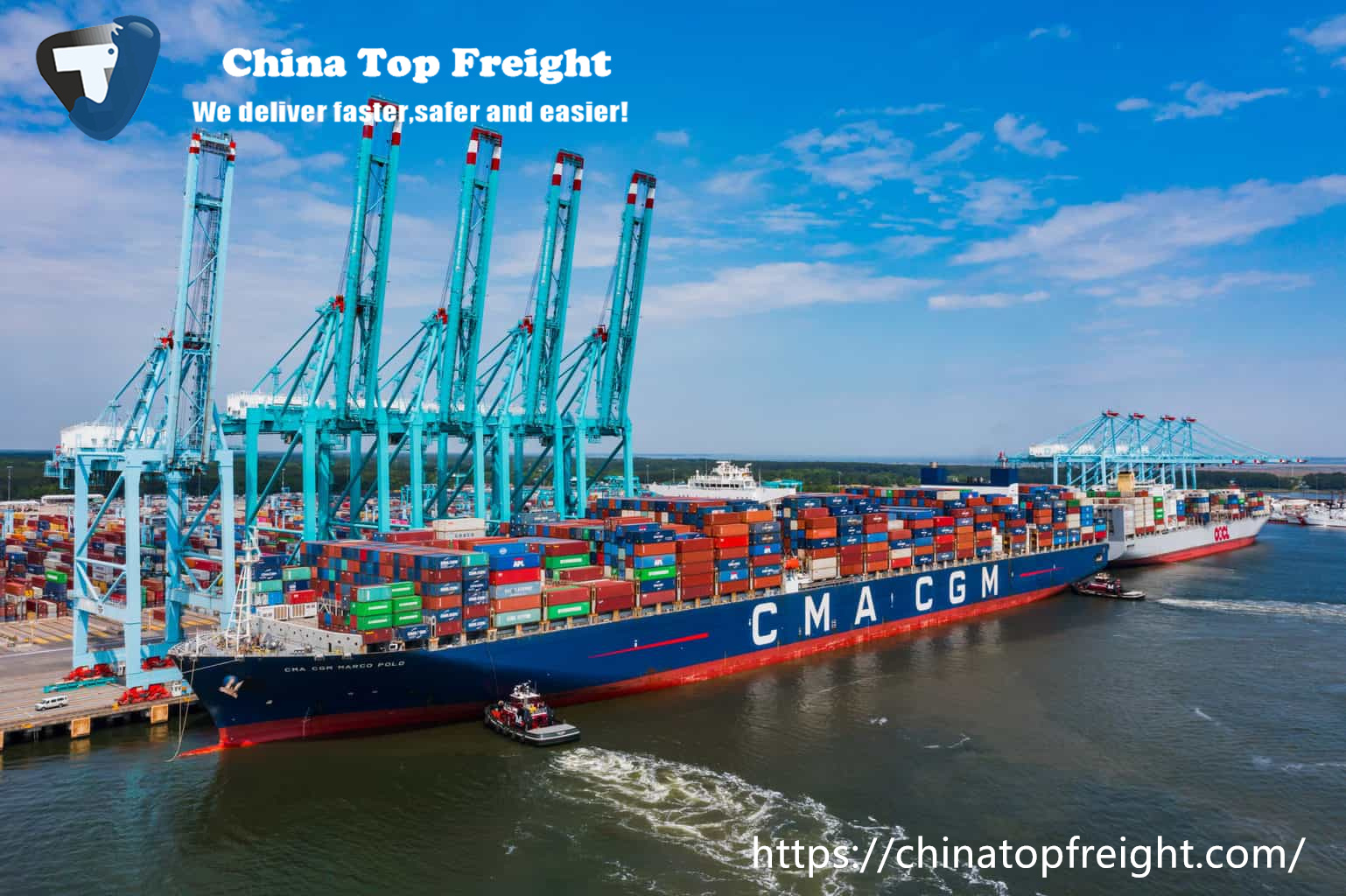


China Freight ensures that your goods reach Port-to-Port, Airport-to-Airport, via the most economical route in the world.With China Freight, it will be easier to ship goods from China to USA, you will only need to leave your cargo with us, and we will do the rest.
China Freight offers versatile freight forwarding solutions with experts from the fields of ocean, air transportation.China Freight forwarding solutions can help you if you have a time-sensitive inventory, a high demand, or a new product launch.If your cargo is transported by air or truck, road, or rail, China Freight provides you with solutions that are more appropriate for your company.
Low rates, large quantities, both of these advantages allow maritime distribution the first alternative for most foreign trade.And when we talk about China to USA freight services, China Freight has been successful for many years.
It is excellent at delivering ocean freight services to small and medium-sized businesses and individuals across China to USA.
China Freight mission is to make China to USA trade easier for everyone and provide the best solutions according to the needs of the thousands of small businesses and eCommerce entrepreneurs.
5-If you're going to sell on eBay and Amazon need to find a trustworthy freight forwarding company to ship your products from China to USA, then China Freight would be your best pick.China Freight has extensive shipping experience from China to USA and saves your time and money.

Shipping from China to USA China Freight offers competitive rates and reliable services for shipping cargo from China to USA by air freight or sea freight.
We are adept at customizing unique solutions for each customer, so you can trust us to deliver safely and on time, and in a cost-efficient manner.Visit Now:- https://www.chinafreight.com/shipping-to-usa.htmlContact-usADDRESSSuhao Building, Nanxin Road, Nanshan District, Shenzhen, P.R.ChinaPHONE+86-755-86514558+86-755-26745815E-MAIL: info@chinafreight.com