





Finding competitive shipping rates from China to the USA involves several steps and considerations to ensure you get the best value for your money. Here’s a detailed guide to help you navigate this process:
1. Understand Your Shipping Needs
Before you start comparing rates, it’s important to have a clear understanding of your shipping requirements:
- Type of Goods: Identify the nature of the goods you are shipping, including their weight, volume, and value.
- Shipping Method: Decide whether you need air freight, sea freight, or a combination of both. Air freight is faster but more expensive, while sea freight is slower but more cost-effective for large shipments.
- Delivery Speed: Determine your delivery timeline. Do you need expedited shipping, or can you opt for standard shipping times?
- Shipping Frequency: Assess whether you will be shipping regularly or if this is a one-time shipment. Regular shippers may be able to negotiate better rates.
2. Gather Multiple Quotes
To find the most competitive rates, you need to gather quotes from multiple sources:
- Freight Forwarders: Contact several freight forwarders who specialize in shipping from China to the USA. Freight forwarders can often provide better rates than carriers because they consolidate shipments.
- Shipping Carriers: Obtain quotes directly from shipping carriers like Maersk, COSCO, or UPS. Comparing their rates will give you a benchmark.
- Online Freight Marketplaces: Use online platforms like Freightos, Flexport, or ShipBob to get instant quotes from multiple carriers and freight forwarders.
3. Negotiate Rates
Once you have gathered multiple quotes, it’s time to negotiate:
- Volume Discounts: If you ship large volumes or have regular shipments, ask for volume discounts. Carriers and freight forwarders are often willing to offer lower rates to secure consistent business.
- Long-term Contracts: Consider signing a long-term contract with a carrier or freight forwarder to lock in favorable rates.
- Flexibility in Schedule: If you can be flexible with your shipping schedule, you might be able to secure lower rates during off-peak times.
4. Consider Different Shipping Options
Explore different shipping options to find the most cost-effective solution:
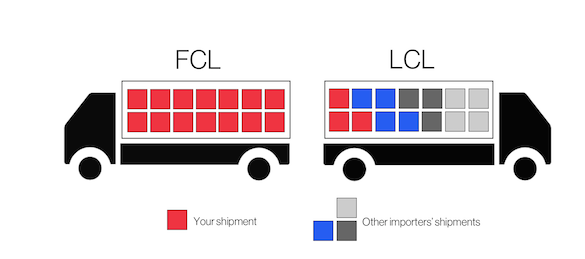
- Full Container Load (FCL) vs. Less than Container Load (LCL): For large shipments, FCL might be more cost-effective, while for smaller shipments, LCL can save money by sharing container space with other shippers.
- Air Freight Consolidation: If air freight is necessary, look into consolidation services where your goods share space with other shipments to reduce costs.
- Intermodal Shipping: Combining sea, rail, and truck transportation can sometimes be more cost-effective than using a single mode of transport.
5. Optimize Packaging
Efficient packaging can help reduce shipping costs:
- Minimize Volume: Use packaging that minimizes the volume of your shipment without compromising protection. Smaller packages take up less space and can reduce shipping costs.
- Weight Reduction: Choose lightweight packaging materials to reduce the overall weight of the shipment.
- Consolidation: Consolidate multiple smaller packages into one larger shipment to save on costs.
6. Leverage Technology
Use technology to streamline the shipping process and find competitive rates:
- Shipping Rate Comparison Tools: Utilize online tools and software that compare shipping rates from multiple carriers and forwarders.
- Automated Shipping Solutions: Implement automated shipping solutions that can optimize routes and schedules to reduce costs.
7. Stay Informed About Market Trends
Keep an eye on market trends and factors that influence shipping rates:
- Fuel Prices: Fluctuations in fuel prices can impact shipping rates. Monitoring these trends can help you time your shipments to take advantage of lower rates.
- Peak Seasons: Shipping rates often increase during peak seasons (e.g., holidays, Chinese New Year). Plan your shipments around these times to avoid higher costs.
- Regulatory Changes: Stay informed about any changes in trade regulations, tariffs, or shipping policies that could affect shipping costs.
8. Work with a Freight Forwarder
Freight forwarders can help you find competitive shipping rates and manage the complexities of international shipping:
- Expertise: Freight forwarders have extensive knowledge of the shipping industry and can navigate complex logistics to find the best rates.
- Consolidation Services: They can consolidate shipments to reduce costs and offer more efficient solutions.
- Customs Clearance: Freight forwarders can handle customs clearance, ensuring compliance with regulations and avoiding delays or additional costs.
9. Evaluate Total Cost of Shipping
When comparing rates, consider the total cost of shipping, not just the base rate:
- Additional Fees: Be aware of additional fees such as fuel surcharges, handling fees, customs duties, and taxes.
- Insurance: Factor in the cost of insurance to protect your goods during transit.
- Delivery Charges: Include the cost of last-mile delivery to your final destination in the USA.
10. Build Relationships
Building strong relationships with carriers and freight forwarders can lead to better rates and services:
- Consistent Communication: Maintain regular communication with your shipping partners to stay informed about rate changes and negotiate better deals.
- Reliability: Show your reliability as a customer by paying invoices on time and providing accurate shipment information.
Conclusion
Finding competitive shipping rates from China to the USA requires a strategic approach that involves understanding your shipping needs, gathering and comparing multiple quotes, negotiating rates, optimizing packaging, leveraging technology, staying informed about market trends, and working with reliable freight forwarders. By considering all these factors and building strong relationships with your shipping partners, you can secure the best rates and ensure a smooth shipping process for your goods.


China Freight ensures that your goods reach Port-to-Port, Airport-to-Airport, via the most economical route in the world.With China Freight, it will be easier to ship goods from China to USA, you will only need to leave your cargo with us, and we will do the rest.
China Freight offers versatile freight forwarding solutions with experts from the fields of ocean, air transportation.China Freight forwarding solutions can help you if you have a time-sensitive inventory, a high demand, or a new product launch.If your cargo is transported by air or truck, road, or rail, China Freight provides you with solutions that are more appropriate for your company.
Low rates, large quantities, both of these advantages allow maritime distribution the first alternative for most foreign trade.And when we talk about China to USA freight services, China Freight has been successful for many years.
It is excellent at delivering ocean freight services to small and medium-sized businesses and individuals across China to USA.
China Freight mission is to make China to USA trade easier for everyone and provide the best solutions according to the needs of the thousands of small businesses and eCommerce entrepreneurs.
5-If you're going to sell on eBay and Amazon need to find a trustworthy freight forwarding company to ship your products from China to USA, then China Freight would be your best pick.China Freight has extensive shipping experience from China to USA and saves your time and money.
China Freight offers competitive rates and reliable services for cargo shipping from China to US, by air or sea, to be delivered safely and on time.
We are adept at customizing unique solutions for each customer, so you can trust us to deliver safely and on time, and in a cost-efficient manner.