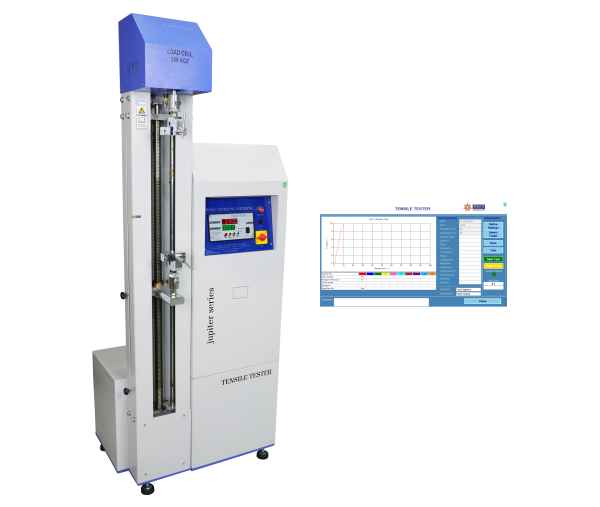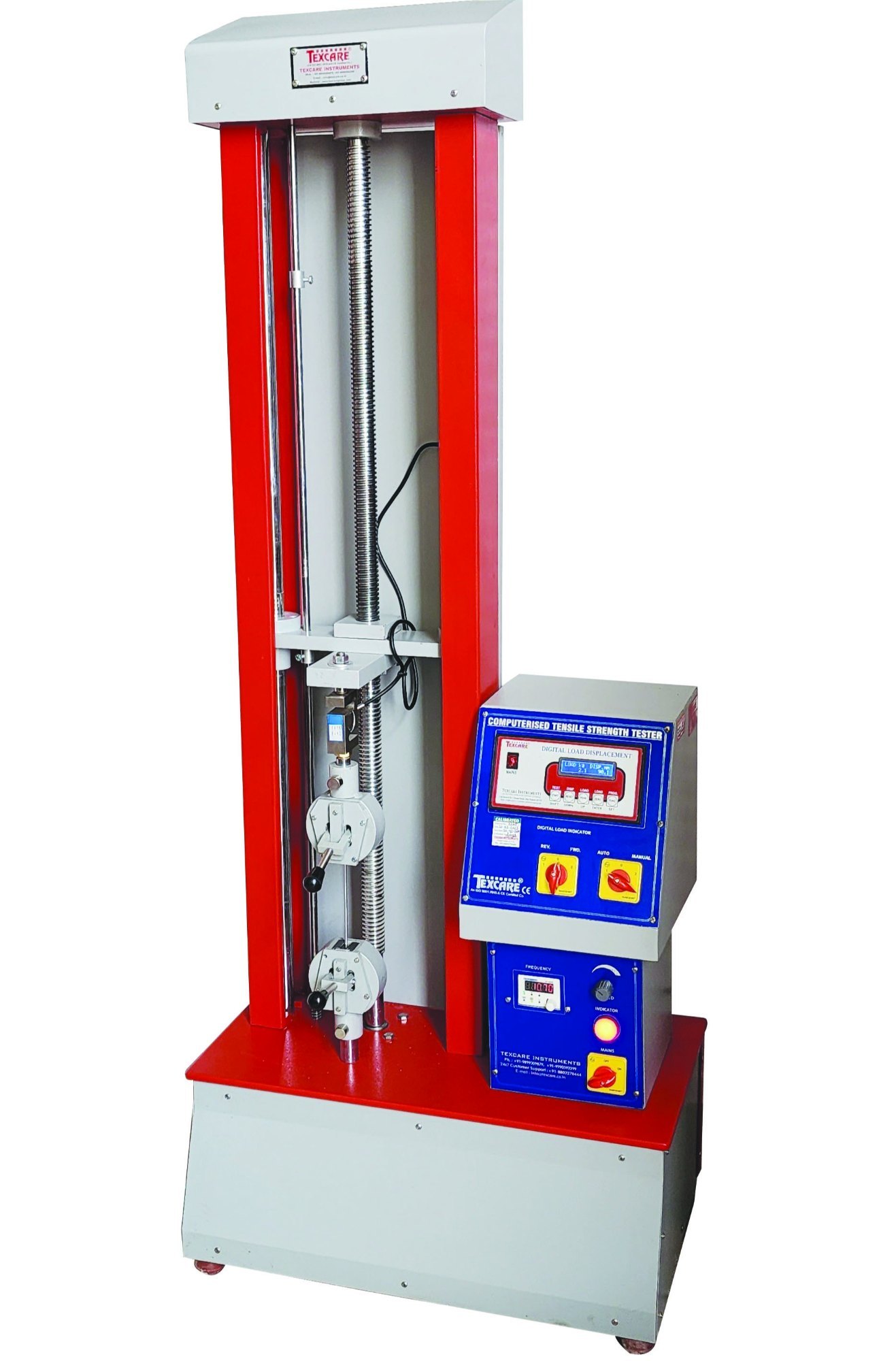
The tear strength test and the burst strength test are two distinct methods used to assess different mechanical properties of fabrics, each serving specific purposes in evaluating fabric performance and durability. There are two Fabric Strength Testing Machine.
Tear Strength Test:
The tear strength test measures the force required to propagate a cut or tear in a fabric. It evaluates the fabric's ability to withstand tearing forces, which can occur due to sudden impacts, punctures, or stresses such as those experienced during garment production, handling, or use. Here’s how the tear strength test typically works:
1. Sample Preparation: A standardized sample of the fabric is cut into a specific shape, often a trapezoid or a trouser shape, ensuring the direction of the tear is consistent with the intended use of the fabric.
2. Test Procedure: The sample is clamped in a tensile testing machine, with one end fixed and the tear initiated at a cut in the fabric. The machine applies force gradually until the tear propagates through the fabric. The maximum force required to tear the fabric is recorded.
3. Significance: Tear strength is crucial in applications where fabrics are prone to tearing, such as in outdoor apparel, tents, and upholstery. Fabrics with higher tear strength are more durable and can withstand rough handling and stretching without tearing apart.
4. Units: Tear strength is typically reported in units of force per unit thickness (e.g., pounds-force per inch, Newtons per meter).
Burst Strength Test:
Burst Strength Test:
It assesses the ability of a fabric to withstand pressure or bursting forces from within the fabric itself. It simulates conditions where fabrics may be subjected to internal pressure, such as in inflatable structures or in applications where fabrics need to resist bursting due to internal stresses. Here’s how the burst strength test is generally conducted:
1. Sample Preparation: A circular or diaphragm-shaped sample of the fabric is clamped in a bursting strength testing apparatus.
2. Test Procedure: The sample is subjected to increasing internal hydraulic pressure or air pressure applied gradually. The pressure continues to increase until the fabric bursts. The maximum pressure at which the fabric bursts is recorded.
3. Significance: Burst strength is critical in applications where fabrics are used in pressurized environments, such as airbags, pneumatic structures, and certain types of industrial fabrics. Fabrics with higher burst strength can withstand higher internal pressures without rupturing.
4. Units: Burst strength is typically reported in units of pressure (e.g., pounds per square inch, kilopascals).
Key Differences:
1. Mechanical Property Assessed: Tear strength measures the fabric's resistance to tearing or propagation of a cut, while burst strength evaluates the fabric's ability to withstand internal pressure or bursting forces.
2. Test Setup: Tear strength tests involve initiating and measuring the force required for a tear to propagate through a pre-cut sample, whereas burst strength tests involve applying internal pressure until the fabric bursts.
3. Application: Tear strength is more relevant for applications where fabrics are prone to tearing due to external forces, while burst strength is critical for applications where fabrics need to withstand internal pressure without bursting.
conclusion
while both tear strength and burst strength tests evaluate fabric durability under different conditions, understanding their distinct purposes helps in selecting the appropriate test to assess and ensure the performance and reliability of fabrics in various practical applications. Each test provides valuable insights into specific aspects of fabric strength, aiding manufacturers, designers, and consumers in making informed decisions regarding fabric selection and usage.