Radon is a silent, invisible threat that can seep into your home without warning. This naturally occurring radioactive gas is the second leading cause of lung cancer, responsible for thousands of deaths each year. Ensuring your home is radon-free is crucial for your family's health and safety. This article will provide essential tips for detecting and preventing radon, helping you maintain a safe and healthy living environment.
Understanding Radon: What Is It and Where Does It Come From?
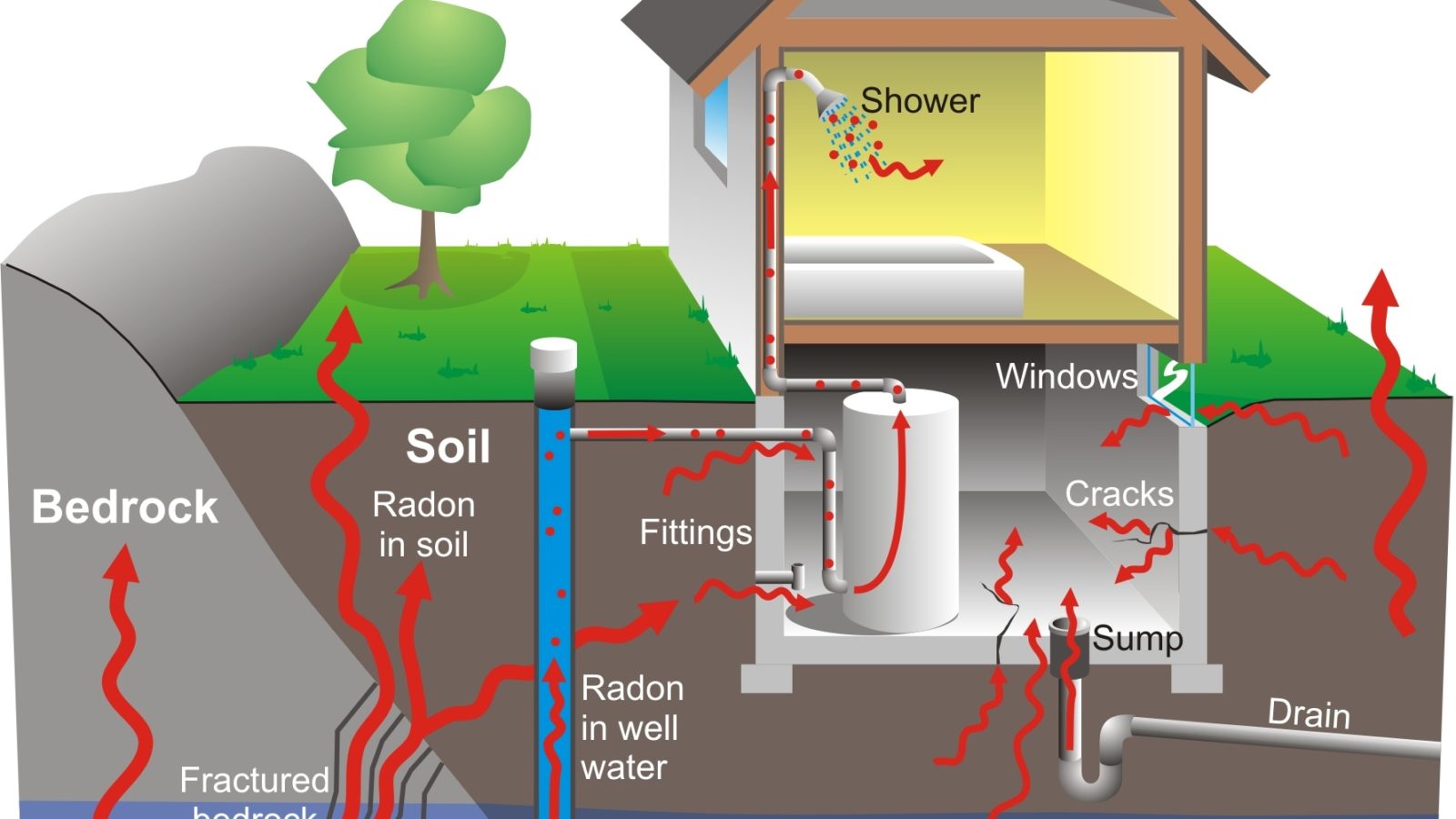
Radon is a colorless, odorless, tasteless gas that forms from the decay of uranium in soil, rock, and water. As it breaks down, radon gas can infiltrate homes through cracks in floors, walls, and foundations, and can even enter through well water. High radon levels can be found in all types of homes, new or old, with or without basements.
Health Risks Associated with Radon Exposure
Prolonged exposure to high levels of radon increases the risk of developing lung cancer. According to the Environmental Protection Agency (EPA), radon is responsible for about 21,000 lung cancer deaths annually in the United States. Smokers exposed to radon have a significantly higher risk, making it imperative for everyone to take action against this invisible hazard.
How to Test for Radon in Your Home
Testing for radon is the only way to know if your home has elevated levels. There are two primary types of radon tests: short-term tests and long-term tests.
- Short-Term Radon Tests
- Typically last between 2 to 90 days.
- Ideal for a quick snapshot of radon levels.
- Commonly used when buying or selling a home.
- Long-Term Radon Tests
- Last for more than 90 days.
- Provide a more accurate year-round average of radon levels.
- Recommended for more precise assessment.
Steps to Conduct a Radon Test
- Purchase a Radon Test Kit
- Available online, at hardware stores, or through state radon programs.
- Ensure the kit is EPA-approved.
- Place the Radon Detector
- Place in the lowest livable area of your home.
- Follow the instructions carefully for accurate placement.
- Send the Detector to a Lab
- After the testing period, send the detector to a lab for analysis.
- Results are typically available within a few weeks.
Interpreting Radon Test Results
Radon levels are measured in picocuries per liter (pCi/L). The EPA recommends taking action if radon levels are 4 pCi/L or higher. Even levels between 2 and 4 pCi/L can pose a risk and should be considered for mitigation.
Mitigation: Reducing Radon Levels in Your Home
If your home tests high for radon, don't panic. There are effective methods to reduce radon levels:
- Sub-Slab Depressurization
- The most common and effective radon reduction technique.
- Involves installing a pipe and fan system to draw radon from beneath the house and vent it outside.
- Sealing Cracks and Openings
- Sealing cracks in floors and walls can help reduce radon entry.
- Should be used in conjunction with other mitigation techniques for best results.
- Improving Ventilation
- Increasing airflow in your home can help lower radon levels.
- Ventilation techniques can include installing air exchangers or simply opening windows.
Hiring a Professional Radon Mitigation Contractor
While some radon reduction methods can be DIY projects, hiring a professional is often the best choice for effective mitigation. Look for a contractor certified by the National Radon Proficiency Program (NRPP) or the National Radon Safety Board (NRSB). These professionals have the expertise to ensure your home is properly safeguarded against radon.
Preventing Radon in New Homes
Building a new home offers a unique opportunity to incorporate radon-resistant features from the start. These features can include:
- Gas-Permeable Layer
- A layer of gravel beneath the foundation allows radon to move freely beneath the house, reducing the chance of entry.
- Plastic Sheeting
- Placed over the gas-permeable layer to prevent radon from entering the home.
- Vent Pipe
- A vertical pipe running from the gas-permeable layer through the house to the roof, venting radon outside.
- Junction Box
- Allows for the easy addition of a fan if higher levels of radon are detected later.
Maintaining a Radon-Free Home
Regular testing and maintenance are crucial to keeping radon levels low. Test your home every two years or after any major renovations. Keep an eye on any changes in your home's structure that could create new entry points for radon.
Government and Community Resources
Take advantage of resources offered by federal, state, and local agencies. The EPA, state radon programs, and local health departments often provide test kits, information, and assistance. Some states even offer financial aid for radon mitigation in low-income households.
The Importance of Public Awareness
Educating yourself and others about the dangers of radon is key to preventing exposure. Share information with your community, encourage others to test their homes, and advocate for radon-resistant building codes in your area.
Conclusion
Radon is a serious health risk that should not be ignored. By understanding what radon is, the dangers it poses, and the steps to detect and mitigate it, you can protect your home and family. Regular testing, proper mitigation, and preventive measures are essential for a radon-free home. Don't let radon poison your home—take action today to ensure a safe and healthy living environment for your loved ones. Check out Radon Mitigation PDX for expert assistance in safeguarding your home against radon.