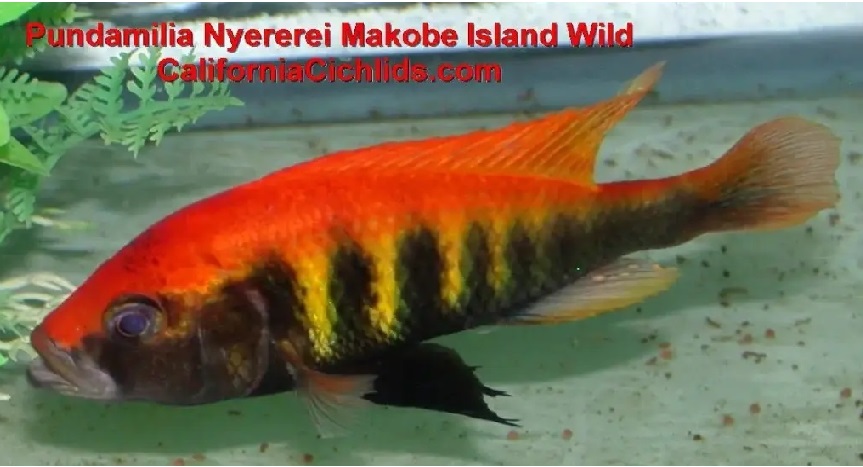


Frontosa cichlid is a freshwater fish originated from Cichlidae family. Well, there are different color variation including Zaire blue, kavala frontosas and Tanzanian six-stripe. Surely, all these variations are heavenly beautiful. In fact, it comes with bold coloring with five to seven dark bands on pale and dark blue body. If you find Frontosa Cichlids For Sale, you have all the reasons to bring them home!
They are very popular with aquarist for the ease of care and attractive colors and occasional behavioral issues. Even you can easily buy Frontosa Cichlids Online! This article guides you with a complete overview on Frontosa Cichlids.
Origin
They are commonly found in several large lakes in East Africa including the second largest freshwater Lake Tanganyika. Typically, they spend most of the time in the deeper area surfacing only to find food.
Size and Lifespan
Well, a full-grown frontosa are large fish ranging from 12 inch to 14 inch long in the wild. The male species are about 2 inches longer than the females. The average lifespan is 15 years. However, with the right care and diet some fish in captivity can live for 25 years.
Appearance and Behavior
The frontosa Cichlid is are large species with blue-toned body textured by black vertical bands. The fish is active, semi aggressive and known to fight over others for food and territories.
They are typically found in vibrant shades like pale blue, dark blue, gray, and white. The rare variations include:
- Burundi six-stripe
- Kavala
- Kilipi
- Black widow
- Zaire blue
- Samazi
- Seven stripes
- Tanzanian six stripes
Some of them are darker than others with varying number of stripes. The black widow are the rarest color variant – they have white with black spots and blue tinged fins and larger bodies. If they are stressed due to disease and poor water conditions hey become duller in color.
Frontosa Cichlids is regarded as a semi-aggressive fish that doesn’t get along with other fish. Although they are less aggressive than most cichlid species – they are territorial and known flares the gills and chase fish if try to claim the space of food.
They are essentially bold, outgoing and tamable. They are slow and clumsy swimmer and don’t like to waste energy and spend most of their time drifting in groups. Even if they are not nocturnal – they prefer dim environment.
Tank Requirement
Well, caring rituals of Frontosa Cichilids are pretty straightforward. They are hardly sociable however; require large swimming space and stable water.
They prefer to live in rocky depth or large freshwater. Mimicking their natural habitat would ensure the fish is healthy and comfortable in captivity. For betterment you can choose a substrate that typically replicates the sandy bed in Lake Tanganyika. In addition, sand and crushed coral are good substrate to balance the alkaline pH.