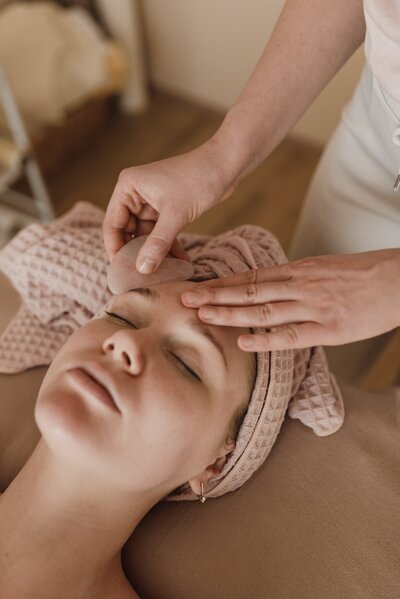
Aging is a natural process that brings wisdom and experience but also presents challenges for our skin. Fine lines, wrinkles, and a loss of elasticity are common concerns as we grow older. Fortunately, there are numerous facial treatments designed to combat these signs of aging and restore a youthful glow. In this guide, we will explore how to choose the best facial treatment for mature skin, ensuring you find a solution tailored to your specific needs.
Understanding Mature Skin
The Characteristics of Mature Skin
Mature skin is characterized by several distinct features that differentiate it from younger skin. These include:
- Decreased Collagen Production: As we age, collagen production slows down, leading to a loss of firmness and elasticity.
- Thinner Skin: The skin's outer layer, the epidermis, becomes thinner and more fragile.
- Reduced Oil Production: Sebaceous glands produce less oil, resulting in drier skin.
- Slower Cell Turnover: The rate at which new skin cells are generated decreases, causing a dull complexion and uneven texture.
Common Concerns for Mature Skin
People with mature skin often experience a range of concerns, including:
- Wrinkles and Fine Lines: These are the most obvious signs of aging, often appearing around the eyes, mouth, and forehead.
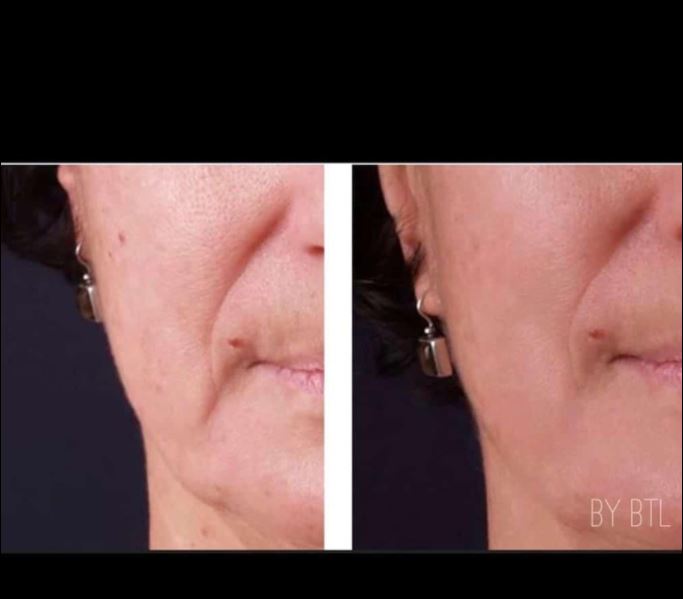
- Sagging Skin: Loss of elasticity can lead to sagging, particularly around the jawline and neck.
- Age Spots and Hyperpigmentation: Sun exposure and hormonal changes can cause dark spots and uneven skin tone.
- Dryness: Mature skin tends to be drier due to decreased oil production.
Types of Facial Treatments for Mature Skin
Selecting the right facial treatment involves understanding the various options available and how they address specific aging concerns.
Anti-Aging Facials
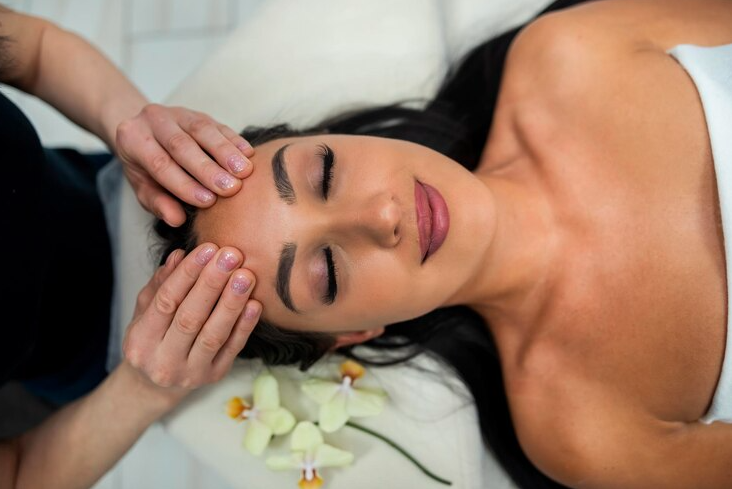
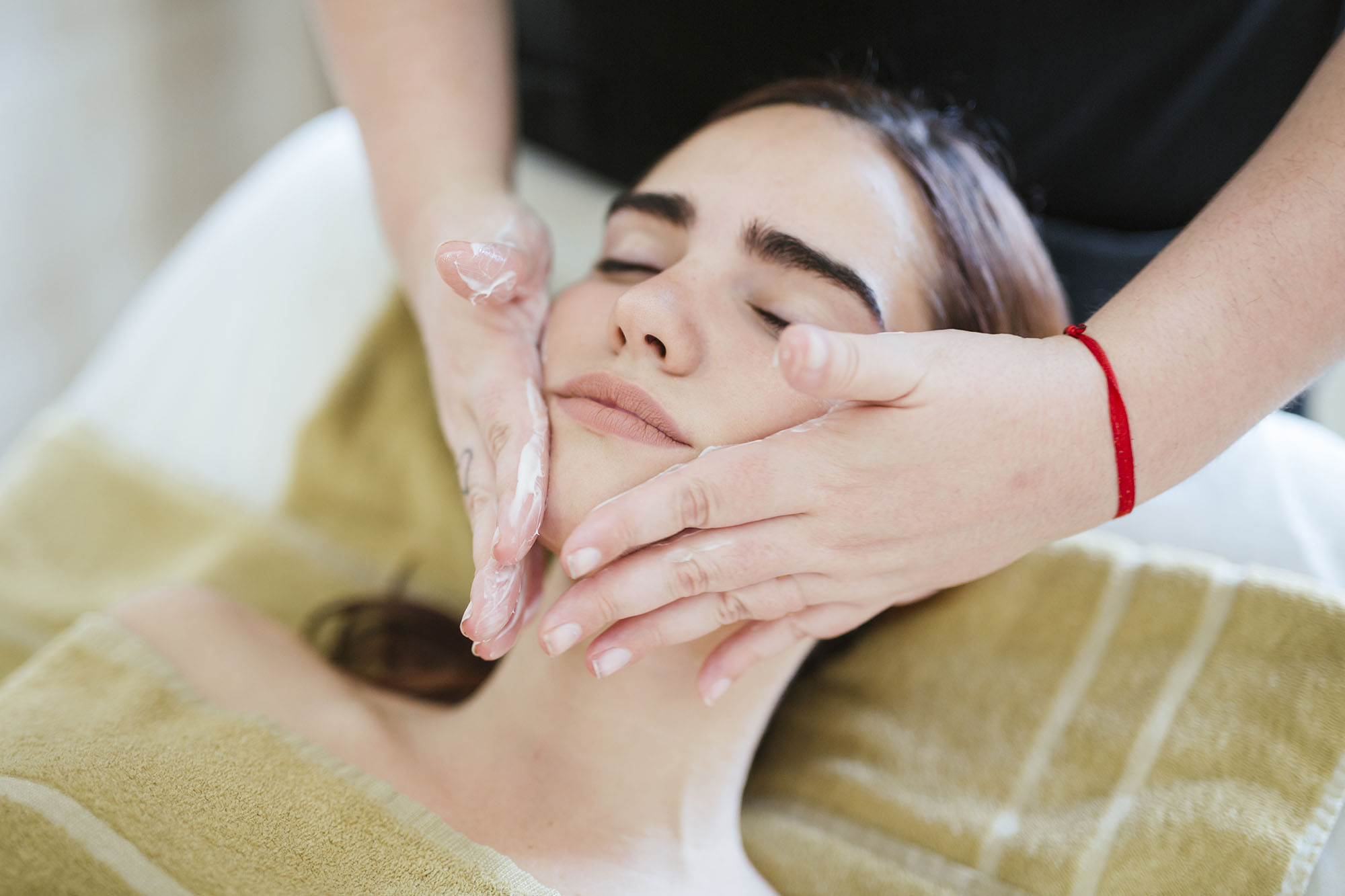
Anti-aging facials are designed to combat the signs of aging through a combination of techniques and ingredients. These facials often include:
- Exfoliation: Removing dead skin cells to reveal a fresher, more radiant complexion.
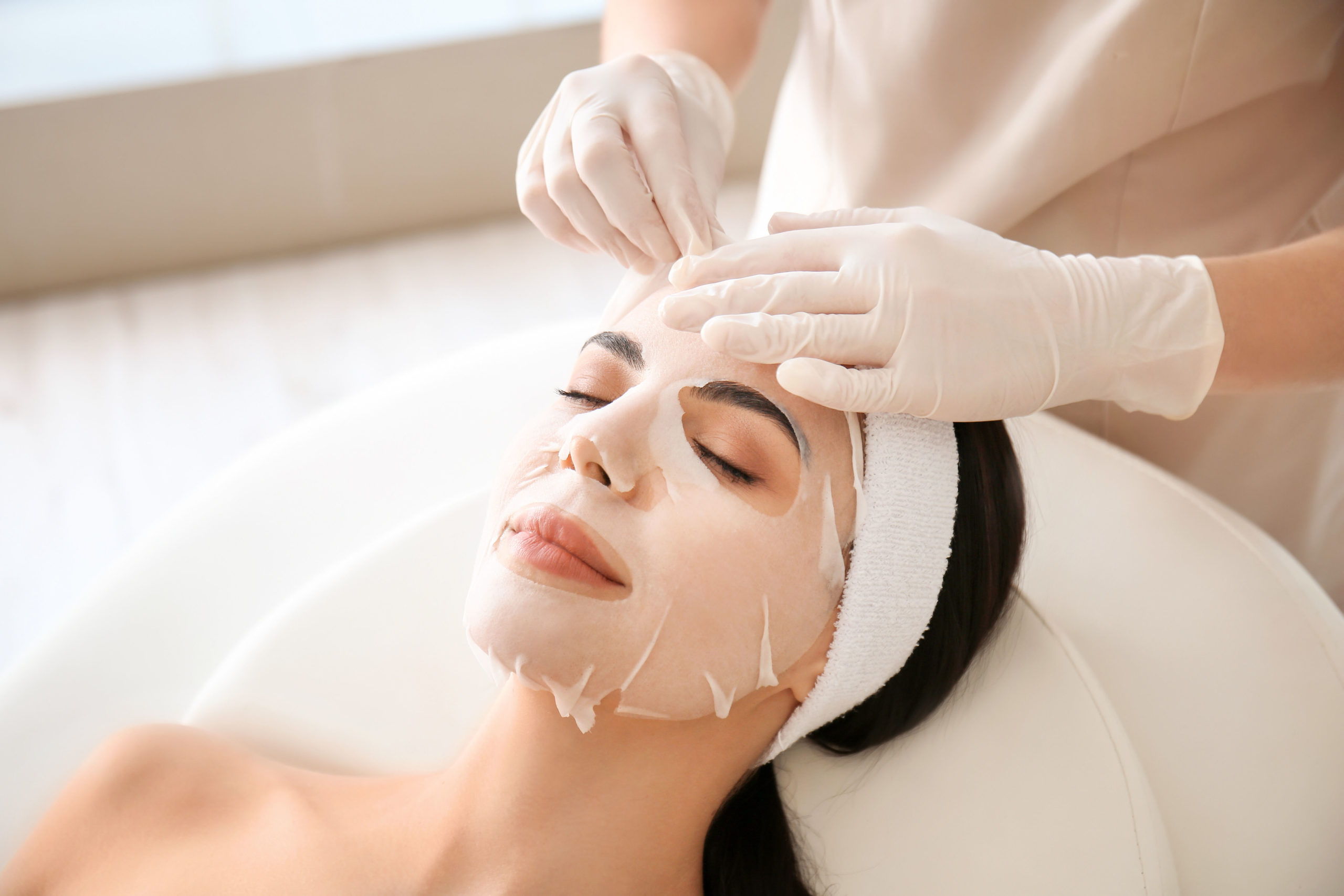
- Hydration: Using masks and serums to deeply hydrate the skin, plumping fine lines and reducing dryness.
- Collagen Boosting: Incorporating ingredients like peptides and retinoids to stimulate collagen production.
Chemical Peels
Chemical peels involve applying a solution to the skin that causes the outer layer to peel off, revealing smoother, more youthful skin underneath. They come in varying strengths:
- Superficial Peels: Mild peels that exfoliate the outer layer of skin, improving texture and tone with minimal downtime.
- Medium Peels: Penetrate deeper to address more significant signs of aging, such as wrinkles and age spots.
- Deep Peels: Provide dramatic results by reaching the deeper layers of the skin but require a longer recovery period.
Microdermabrasion
Microdermabrasion is a non-invasive treatment that uses tiny crystals or a diamond-tipped wand to exfoliate the skin. It helps reduce the appearance of fine lines, age spots, and uneven texture by stimulating cell turnover and collagen production.
Microneedling
Microneedling involves using a device with fine needles to create tiny punctures in the skin. This process stimulates the skin's natural healing response, boosting collagen and elastin production. Microneedling can improve the appearance of wrinkles, scars, and sagging skin.
Laser Treatments
Laser treatments use focused light to target specific areas of the skin, promoting collagen production and reducing signs of aging. Types of laser treatments include:
- Fractional Lasers: Target small areas of the skin, allowing for quicker recovery and minimal downtime.
- Non-Ablative Lasers: Stimulate collagen without damaging the skin's surface, making them suitable for all skin types.
- Ablative Lasers: Remove the outer layer of skin, providing dramatic results but requiring longer recovery.
Choosing the Right Facial Treatment for You
When selecting the best facial treatment for mature skin, consider the following factors:
Skin Type and Condition
Understanding your skin type and its specific needs is crucial. For example, dry skin may benefit from hydrating facials, while oily or acne-prone skin might require treatments that control oil production and reduce breakouts.
Treatment Goals
Identify your primary concerns and desired outcomes. Are you looking to reduce fine lines, improve skin texture, or lighten age spots? Knowing your goals will help you choose a treatment that targets those specific issues.
Downtime and Recovery
Consider the amount of downtime you can accommodate. Some treatments, like superficial chemical peels and microdermabrasion, have minimal recovery time, while others, like deep peels and ablative lasers, require more extensive healing periods.
Budget
Facial treatments vary widely in cost. Determine your budget and explore options that provide the best value for your investment. Many clinics offer package deals or memberships that can make regular treatments more affordable.
Professional Expertise
Choose a reputable clinic with experienced professionals who can provide personalized recommendations based on your skin's needs. Consultations with dermatologists or licensed aestheticians can help you make informed decisions.
Pre- and Post-Treatment Care
Proper care before and after your facial treatment is essential to achieve the best results and minimize potential side effects.
Pre-Treatment Care
- Consultation: Schedule a consultation to discuss your skin concerns, treatment options, and any potential risks.
- Skin Preparation: Follow any pre-treatment instructions provided by your skincare professional, such as avoiding certain skincare products or medications.
- Sun Protection: Protect your skin from sun exposure by wearing sunscreen daily and avoiding tanning beds.
Post-Treatment Care
- Gentle Cleansing: Use a mild cleanser to keep your skin clean without causing irritation.
- Hydration: Keep your skin well-hydrated with moisturizers and hydrating serums.
- Sun Protection: Continue to protect your skin from the sun with broad-spectrum sunscreen.
- Follow-Up Appointments: Attend any follow-up appointments to monitor your progress and address any concerns.
Combining Treatments for Enhanced Results
For comprehensive anti-aging benefits, consider combining different facial treatments. For example, you might start with a chemical peel to address pigmentation and follow up with microneedling to boost collagen production. Your skincare professional can create a customized treatment plan that addresses all your aging concerns.
Conclusion
Choosing the best facial treatment for mature skin requires careful consideration of your skin type, treatment goals, and lifestyle. By understanding the various options available and consulting with skincare professionals, you can find the most effective solution to maintain a youthful, radiant complexion. Whether you're looking to reduce fine lines, improve skin texture, or achieve a more even skin tone, there is a facial treatment that can help you achieve your goals. Remember, the best facial treatment for aging skin is one that is tailored to your unique needs and delivers the desired results while promoting overall skin health.