

Maintaining a clean sewer line is an essential aspect of ensuring the overall health and functionality of your home's plumbing system. Regular maintenance helps prevent blockages, backups, and potential damage that could lead to costly repairs. By understanding the importance of sewer line maintenance, homeowners can take proactive measures to keep their plumbing in optimal condition, ensuring a safe and sanitary living environment.
Identifying Common Sewer Line Problems
Before diving into the cleaning tips, it's crucial to identify common sewer line problems that homeowners may encounter. Some of the most frequent issues include:
- Blockages: These occur when debris, grease, or foreign objects obstruct the flow of wastewater in the sewer line.
- Tree Root Intrusions: Tree roots can infiltrate sewer lines through small cracks or joints, causing blockages and damage.
- Corrosion: Over time, sewer pipes made of metal can corrode, leading to leaks and reduced water flow.
- Bellied Pipes: A section of the sewer pipe may sag, causing waste to accumulate and leading to blockages.
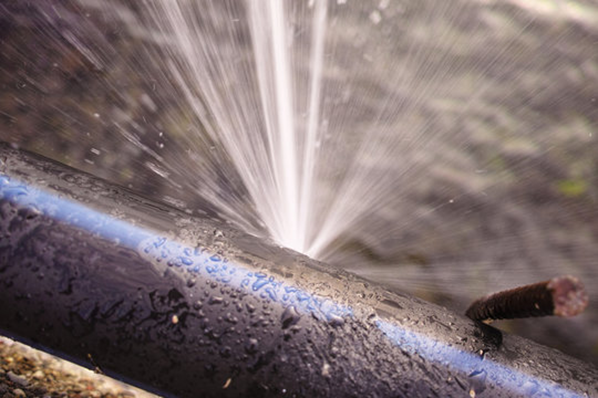
- Leaking Joints: Loose or damaged pipe joints can allow wastewater to escape, potentially causing contamination.
Recognizing these issues early on can help homeowners take timely action to address and prevent further damage.
Regular Sewer Line Inspections
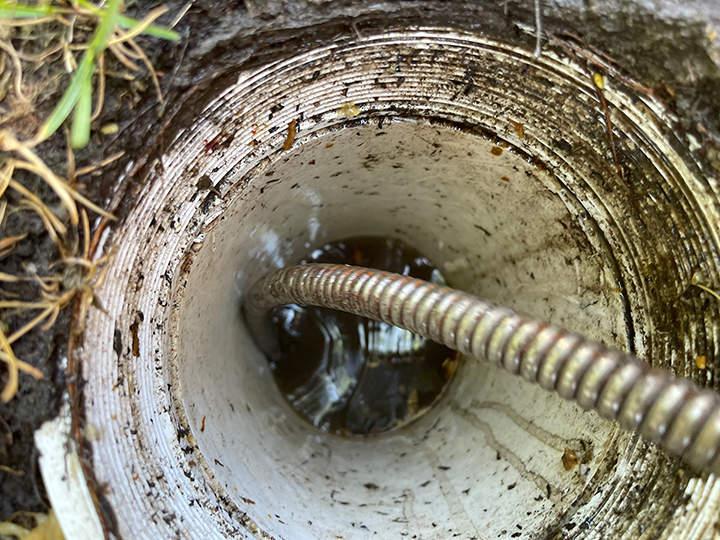
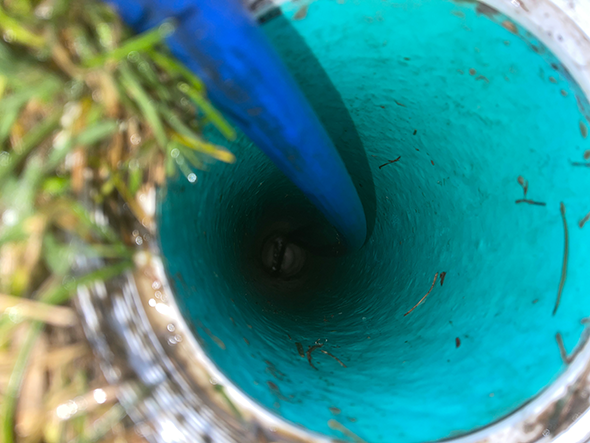
One of the most effective ways to maintain a clean sewer line is through regular inspections. Homeowners should schedule professional inspections at least once a year to detect any potential issues before they escalate. During an inspection, a plumber will use specialized equipment, such as a sewer camera, to examine the condition of the pipes and identify any blockages or damage. By catching problems early, homeowners can avoid costly repairs and ensure the longevity of their plumbing system.
The Role of Preventive Maintenance
Preventive maintenance is key to keeping sewer lines clean and functioning properly. Homeowners can implement several preventive measures to reduce the risk of blockages and damage:
- Dispose of Waste Properly: Avoid flushing items that can cause blockages, such as paper towels, feminine hygiene products, and grease. Instead, dispose of them in the trash.
- Use Drain Screens: Install drain screens in sinks, showers, and tubs to catch hair, soap scum, and other debris that can clog the pipes.
- Be Mindful of Planting: When planting trees or shrubs, consider their root systems and plant them away from sewer lines to prevent root intrusions.
- Avoid Chemical Cleaners: While chemical drain cleaners may provide a temporary fix, they can damage pipes over time. Instead, opt for natural alternatives or call a professional plumber for assistance.
Implementing these preventive measures can significantly reduce the likelihood of sewer line problems and extend the life of your plumbing system.
The Benefits of Hydro Jetting
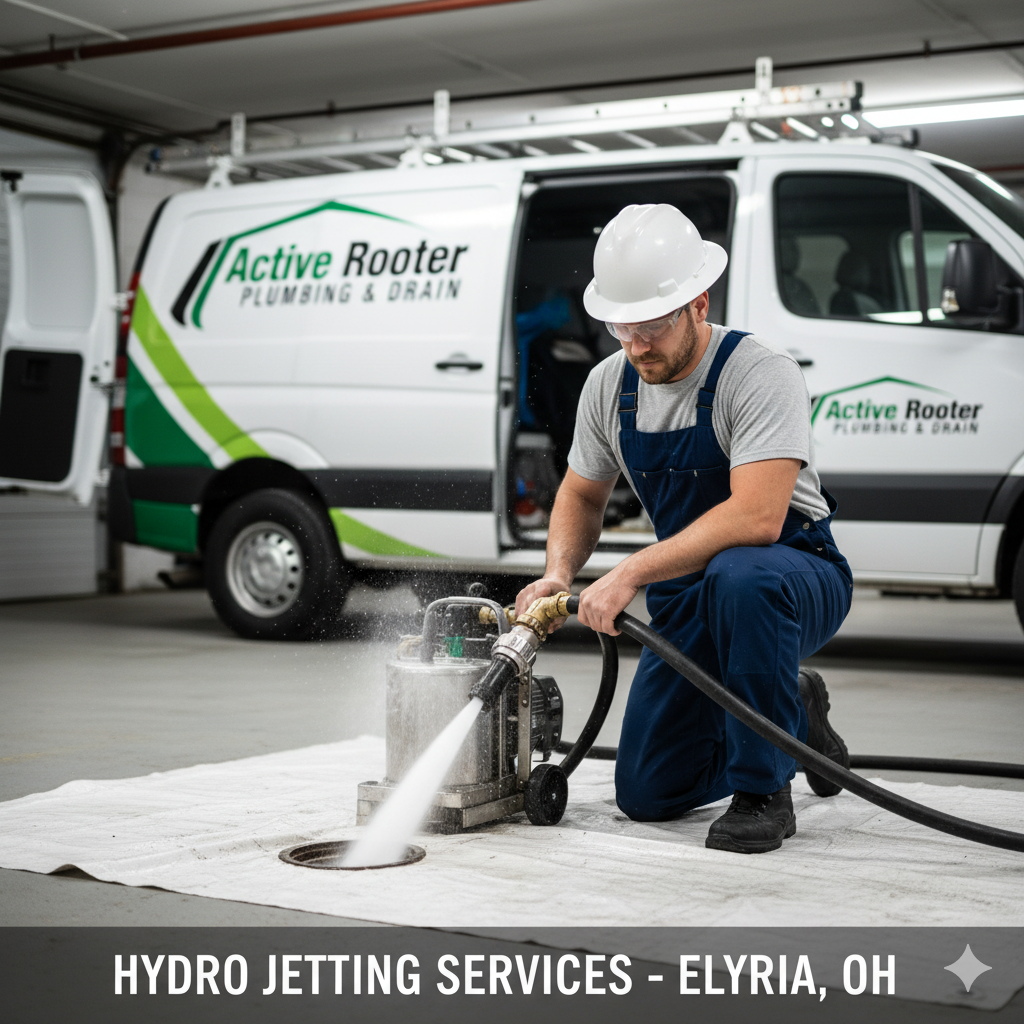
Hydro jetting is an advanced cleaning technique that uses high-pressure water to clear blockages and clean the interior of sewer pipes. This method is highly effective in removing stubborn clogs, grease buildup, and tree roots. Some of the benefits of hydro jetting include:
- Thorough Cleaning: Hydro jetting provides a comprehensive clean, ensuring that all debris and buildup are removed from the pipes.
- Environmentally Friendly: This method uses only water, making it an eco-friendly option compared to chemical cleaners.
- Preventive Measure: Regular hydro jetting can help prevent future blockages and maintain the flow of wastewater in the sewer lines.
- Versatility: Hydro jetting can be used on various types of pipes, including residential and commercial sewer systems.
Homeowners should consider scheduling hydro jetting services periodically to ensure their sewer lines remain clean and free of obstructions.
DIY Sewer Line Cleaning Techniques
While professional services are highly recommended for thorough cleaning, there are several DIY techniques homeowners can use to maintain their sewer lines between professional visits. Some effective DIY methods include:
- Flushing with Hot Water and Vinegar: Pour a mixture of hot water and vinegar down the drains to help break down grease and clear minor clogs. Allow the solution to sit for 15-20 minutes before flushing with hot water.
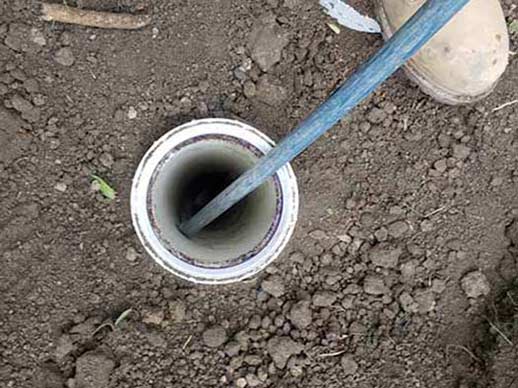
- Using a Plumbing Snake: A plumbing snake, also known as an auger, can be used to reach and remove clogs in the sewer line. Insert the snake into the drain and twist it to break up and pull out any blockages.
- Baking Soda and Vinegar Solution: A combination of baking soda and vinegar can create a foaming reaction that helps clear clogs. Pour baking soda into the drain, followed by vinegar, and allow it to sit for a few hours before flushing with hot water.
- Enzyme-Based Cleaners: Enzyme-based cleaners are a natural and safe alternative to chemical cleaners. These products contain beneficial bacteria that break down organic matter in the pipes, helping to prevent clogs.
By incorporating these DIY techniques into their routine plumbing maintenance, homeowners can keep their sewer lines clean and functional.
When to Call a Professional Plumber
While DIY techniques can be effective for minor issues, there are times when calling a professional plumber is necessary. Homeowners should seek professional assistance if they encounter any of the following situations:
- Persistent Clogs: If clogs continue to recur despite using DIY methods, it may indicate a more serious underlying issue that requires professional attention.
- Foul Odors: Unpleasant smells emanating from the drains can signal a blockage or damage in the sewer line that needs to be addressed by a plumber.
- Slow Drains: Multiple slow drains in the home may indicate a blockage in the main sewer line, requiring professional intervention.
- Water Backups: Backups in sinks, tubs, or toilets are a clear sign of a severe blockage or damage in the sewer line that needs immediate attention.
In such cases, a professional plumber can accurately diagnose the problem and provide the appropriate solutions to restore the functionality of the sewer system.
The Advantages of Trenchless Sewer Repair
For homeowners facing significant sewer line damage, trenchless sewer repair offers a less invasive and cost-effective solution compared to traditional methods. Trenchless repair techniques, such as pipe bursting and pipe lining, eliminate the need for extensive excavation, preserving landscaping and minimizing disruption. Some of the advantages include:
- Reduced Disruption: Trenchless methods require minimal digging, reducing the impact on the property and minimizing the need for extensive restoration work.
- Cost-Effective: With less labor and restoration required, trenchless repairs are often more affordable than traditional excavation methods.
- Durability: The materials used in trenchless repairs, such as resin-coated liners and high-density polyethylene pipes, are durable and long-lasting, providing a reliable solution for sewer line issues.
- Faster Completion: Trenchless repairs can typically be completed more quickly than traditional methods, minimizing inconvenience for homeowners.
Homeowners should consider a full sewer line replacement when facing significant sewer line damage, as these methods can provide efficient and durable solutions.
Understanding Sewer Line Warranty Programs
Investing in a sewer line warranty program can provide homeowners with peace of mind and financial protection in the event of sewer line issues. These programs typically cover the cost of repairs and replacements for sewer line problems, reducing the financial burden on homeowners. When considering a sewer line warranty program, homeowners should:
- Review Coverage Details: Understand what is covered under the warranty, including any exclusions or limitations.
- Evaluate Costs: Compare the cost of the warranty program to potential repair expenses to determine if it offers good value.
- Research Providers: Choose a reputable warranty provider with positive reviews and a track record of excellent customer service.
- Understand Terms and Conditions: Familiarize yourself with the terms and conditions of the warranty, including any requirements for regular maintenance or inspections.
By investing in a sewer line warranty program, homeowners can ensure they are financially protected in the event of unexpected sewer line issues.
The Importance of Educating Household Members
Educating all members of the household about proper sewer line maintenance practices is essential for preventing issues and ensuring the longevity of the plumbing system. Homeowners should:
- Teach Proper Disposal: Instruct household members on what items should not be flushed or poured down the drains.
- Encourage Regular Maintenance: Promote regular use of preventive maintenance techniques, such as using drain screens and flushing drains with hot water and vinegar.
- Monitor for Issues: Encourage everyone to be vigilant and report any signs of sewer line problems, such as slow drains or foul odors, so they can be addressed promptly.
By fostering a culture of awareness and responsibility, homeowners can ensure that everyone in the household contributes to the maintenance of the sewer line, reducing the likelihood of issues.
Wrapping It Up
Maintaining a clean and functional sewer line is an essential aspect of homeownership. By understanding common sewer line problems, implementing preventive maintenance measures, and knowing when to call a professional, homeowners can ensure the longevity and efficiency of their plumbing systems. Regular inspections, hydro jetting, and trenchless repair options provide effective solutions for keeping sewer lines in top condition. Additionally, educating household members and investing in a sewer line warranty program can further safeguard against potential issues. With these tips and techniques, homeowners can take proactive steps to maintain a healthy and reliable sewer system.