


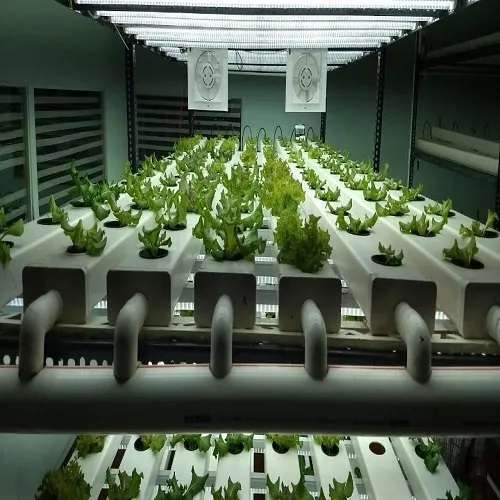
Hydroponic farming, the method of growing plants without soil, is gaining traction for its ability to produce high yields in limited spaces. However, despite its benefits, hydroponic farming suppliers face a range of challenges. Here, we explore some of the most common hurdles in this innovative agricultural practice.
1. Initial Setup Costs
Challenge:
The initial investment for setting up a hydroponic farming indoor system can be substantial. This includes costs for equipment such as grow lights, nutrient solutions, pumps, and climate control systems.
Impact:
High startup costs can be a significant barrier for new entrants and small-scale farmers. It may take time to recover these expenses, especially if market prices for produce are low.
Solutions:
- Financial Planning: Detailed budgeting and financial planning can help manage costs.
- Grants and Subsidies: Seeking government grants and subsidies aimed at promoting sustainable farming can ease the financial burden.
2. Technical Knowledge and Expertise
Challenge:
Hydroponic farming indoor systems requires a good understanding of plant biology, nutrient management, and system maintenance. Lack of knowledge can lead to poor crop yields and system failures.
Impact:
Hydroponic farming suppliers might struggle with optimizing conditions for different crops, leading to inconsistent produce quality and reduced profitability.
Solutions:
- Training Programs: Enrolling in training programs or courses on hydroponic farming.
- Expert Consultation: Consulting with agricultural experts or experienced hydroponic farmers for guidance.
3. Energy Consumption
Challenge:
Hydroponic farming indoor systems rely heavily on artificial lighting, climate control, and water pumps, leading to high energy consumption.
Impact:
High energy costs can significantly reduce profit margins and contribute to the environmental footprint of the farming operation.
Solutions:
- Energy-Efficient Equipment: Investing in energy-efficient grow lights and pumps.
- Renewable Energy Sources: Utilizing solar panels or other renewable energy sources to offset energy costs.
4. Water Quality and Management
Challenge:
Maintaining the quality and balance of the nutrient solution is crucial for plant health with hydroponic farming indoor systems. Issues like waterborne diseases, pH imbalances, and nutrient deficiencies can arise.
Impact:
Poor water quality can lead to stunted growth, plant diseases, and ultimately crop loss.
Solutions:
- Regular Monitoring: Regularly testing water quality and nutrient levels.
- Filtration Systems: Installing filtration systems to ensure clean water supply.
5. Pest and Disease Control
Challenge:
While hydroponic systems can reduce some pest problems, they are not immune to diseases and pests that can spread quickly in controlled environments.
Impact:
An outbreak can devastate crops, leading to significant financial losses and downtime for system cleaning and disinfection.
Solutions:
- Integrated Pest Management (IPM): Implementing IPM strategies to monitor and control pests.
- Sanitation Practices: Maintaining strict sanitation practices to prevent disease outbreaks.
6. Market Access and Consumer Awareness
Challenge:
Hydroponically grown produce may face skepticism from consumers who are unfamiliar with the method or prefer traditional soil-grown products.
Impact:
Limited market access and lower consumer demand can affect profitability.
Solutions:
- Education and Marketing: Educating consumers about the benefits of hydroponic produce, such as its freshness, quality, and environmental sustainability.
- Direct Sales Channels: Exploring direct sales channels like farmers' markets, online stores, and community-supported agriculture (CSA) programs.
7. Climate Control
Challenge:
Maintaining optimal growing conditions indoors, such as temperature, humidity, and CO2 levels, can be challenging for hydroponic farming suppliers and requires precise control systems.
Impact:
Fluctuations in climate conditions can stress plants and affect growth rates and yields.
Solutions:
- Automated Systems: Utilizing automated climate control systems to maintain consistent growing conditions.
- Redundant Systems: Implementing backup systems to prevent failures that could compromise the growing environment.
Hydroponic farming indoor systems holds great promise for sustainable agriculture, offering the potential for high yields and efficient use of resources. However, the challenges are significant and require careful planning, ongoing education, and adaptation. By addressing these common issues, hydroponic farming suppliers and indoor farmers can pave the way for a more resilient and productive future in agriculture.


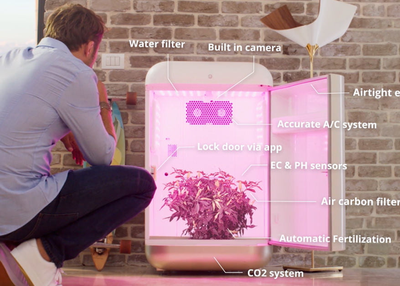
The website for Seedo isn’t too far off from something you might have seen at the Home Depot.
Their main product is a hermetically sealed grow box controlled and managed by artificial intelligence, employing machine learning technology, computer vision algorithms, and wholly enclosed systems including advanced lighting systems to nurture plants like herbs, flowers, or vegetables.
It occurred to me, as it probably has occurred to you by now, that you could grow more than basil in these nifty little boxes.
To be less subtle, growing and using marijuana is legal in a whole bunch of states now, specifically 11 states for recreational marijuana (if you’re in one of those states, you probably know already, especially if you’ve been to a concert lately), in addition to 22 states who have recognized medical marijuana as a remedy for conditions such as PTSD, depression, and anxiety, in addition to a bunch of other conditions that are plaguing Americans right now, particularly veterans.
The company’s product is pretty amazing, actually.
You don’t have to grow marijuana (although that’s certainly an option according to what we’ve been told), but you can also grow herbs, vegetables, flowers, and more.