

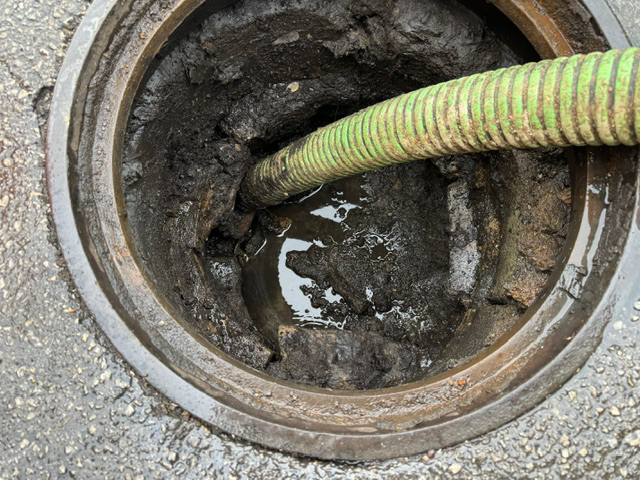
Catch basins, also known as storm drains or storm sewers, are an integral part of a city’s drainage system. Their primary function is to collect rainwater and direct it away from streets and properties to prevent flooding. Like many urban centers, Chicago relies heavily on its catch basin system to manage stormwater and maintain the city's infrastructure. Below we provide a guide on best practices in catch basin pumping within Chicago and explores future directions to keep the city's drainage systems in optimal condition.
Understanding the Importance of Regular Catch Basin Pumping
Regular catch basin pumping is crucial for several reasons. First, it helps prevent blockages caused by debris, leaves, and sediment that accumulate over time. This build-up can cause water to overflow onto streets, potentially leading to property damage and hazardous road conditions. Additionally, maintaining clean catch basins helps mitigate foul odors that emanate from stagnant water and decayed organic matter. Regular pumping ensures that the system operates efficiently, reducing the risk of flooding during heavy rainfalls.
Best Practices for Catch Basin Pumping
Maintaining an effective catch basin pumping routine requires adherence to best practices that ensure optimal performance and longevity of the drainage system. Here are some key practices to consider:
1. Scheduled Maintenance and Inspections
A proactive approach is essential for keeping catch basins in working order. Establish a routine schedule for maintenance and inspections. Regularly check for blockages, standing water, and any structural damage to the basin. Addressing these issues promptly can prevent larger problems down the line.
2. Utilizing Proper Equipment
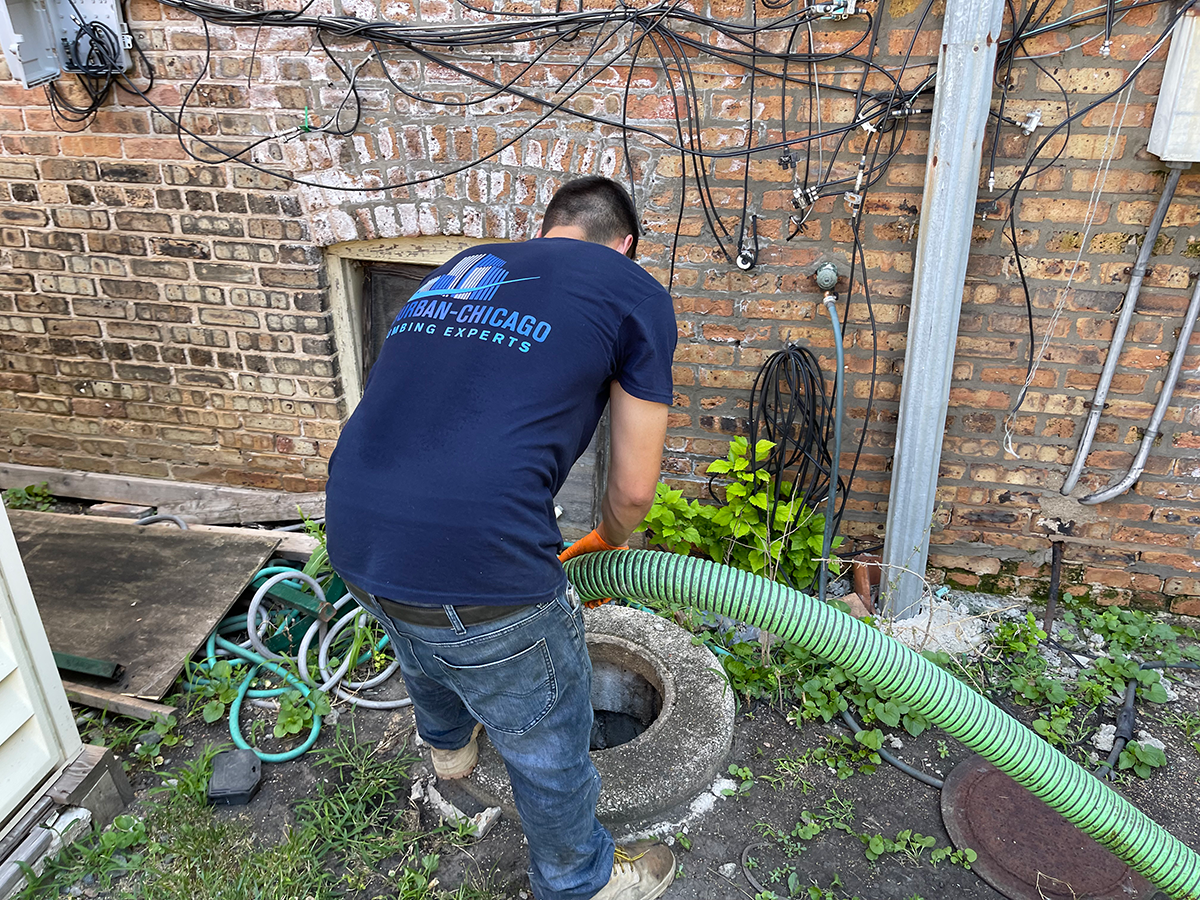
Using the right equipment is critical to the effectiveness of catch basin pumping. High-powered vacuum trucks are typically employed in this process, as they are capable of removing large amounts of debris and water swiftly. Ensure that the equipment is well-maintained and operated by trained personnel to maximize efficiency.
3. Adherence to Environmental Regulations
Compliance with local, state, and federal environmental regulations is a must. These regulations are designed to protect water quality and public health. Proper disposal of collected materials and adherence to best management practices is necessary to avoid contamination and uphold legal standards.
4. Documentation and Record Keeping
Keeping detailed records of inspections, maintenance activities, and pumpings provides valuable data for future reference. This documentation helps track the performance of the drainage system, identify recurring issues, and plan for necessary upgrades or repairs. It also ensures accountability and transparency in the maintenance process.
5. Public Education and Involvement
Informing the public about the importance of catch basin maintenance and encouraging community involvement can significantly enhance the efficiency of the drainage system. Educate residents on proper disposal of waste, the impact of littering, and how to report blockages or other issues with catch basins. A well-informed public can aid in preventing unnecessary debris from entering the drainage system.
The Role of Technology in Catch Basin Pumping
Advancements in technology have paved the way for improved methods in catch basin maintenance. Innovations such as remote sensing, data analytics, and automated systems enhance the accuracy and efficiency of pumping operations. Integrating GIS (Geographic Information Systems) technology allows for precise mapping and monitoring of catch basin locations, facilitating better maintenance planning and execution.
Future Directions for Catch Basin Pumping in Chicago
As the city of Chicago continues to grow and evolve, so too must its approach to catch basin maintenance. Future directions may include:
1. Smart Catch Basins
Incorporating smart technology into catch basins can provide real-time data on water levels, blockages, and other operational metrics. These smart systems can alert maintenance crews to potential issues before they become critical, allowing for timely intervention and reducing the risk of flooding.
2. Sustainable Practices
Emphasizing sustainable practices in catch basin maintenance is essential for environmental protection. This could involve the use of eco-friendly cleaning agents, recycling collected materials, and integrating green infrastructure solutions such as permeable pavements and rain gardens to reduce stormwater runoff.
3. Enhanced Collaboration with Stakeholders
Improving collaboration between government agencies, private contractors, and the public can lead to more effective catch basin maintenance. Creating partnerships and leveraging resources will ensure a coordinated approach to addressing drainage system challenges.
4. Investment in Infrastructure Upgrades
Continuous investment in infrastructure is vital to the longevity and reliability of the catch basin system. Upgrading aging components, expanding capacity, and implementing modern technologies will help Chicago stay ahead of potential drainage issues and adapt to changing climate conditions.
Conclusion
Effective catch basin pumping is a critical component of Chicago’s stormwater management strategy. By adhering to best practices, leveraging technology, and planning for future challenges, the city can maintain a reliable and efficient drainage system. Regular maintenance, public education, and strategic investments will ensure that Chicago remains resilient in the face of increasing urbanization and climate variability. As the city moves forward, a proactive and collaborative approach to catch basin maintenance will be essential for protecting residents, property, and the environment from the impacts of improper drainage.