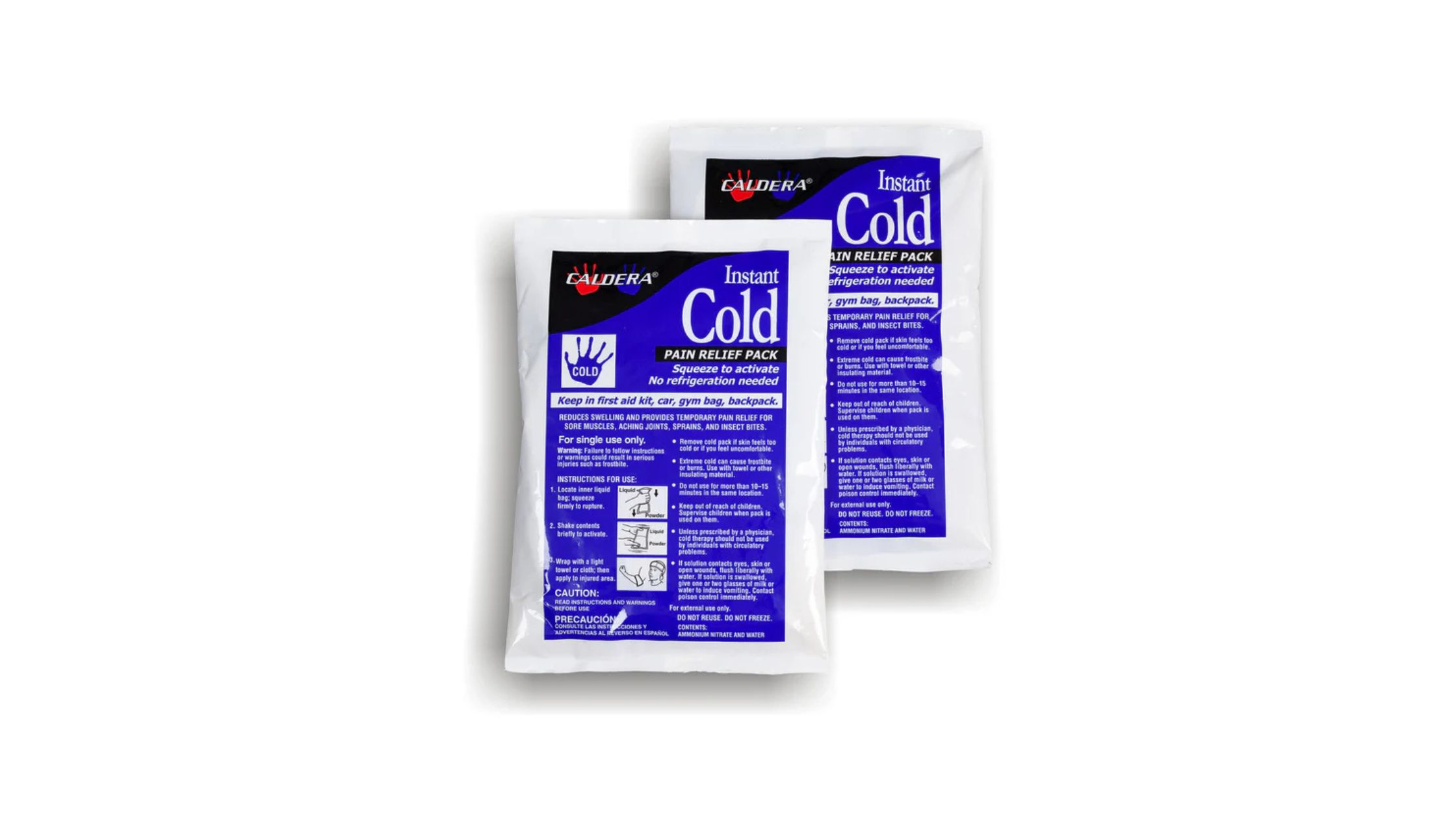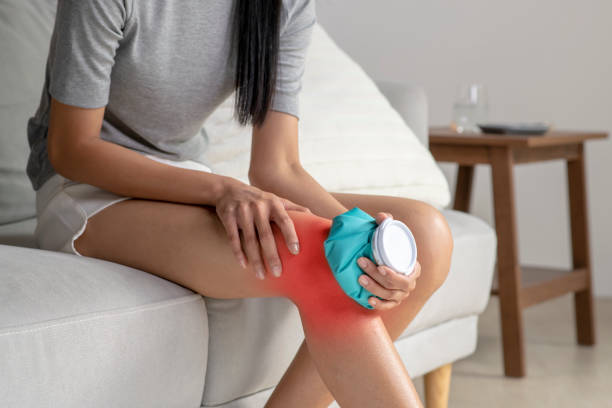
Hot and cold packs both help in reducing pain or discomfort. But both packs have different uses in different situations.
Hot packs are applied for muscle pain, joint pain, and stiffness. But we should not use it right after the injuries. Heat packs help to recover the damaged tissues and improve blood circulation in the injured area. This pack is most effective for chronic pain or issues.
On the other hand, Cold packs are used to reduce the swelling and immediate relief from the pain. Cold packs can be applied just after the injuries or current injuries. This helps effectively in acute pain like sprains, strains, etc.
Benefits of using hot and cold Icepacks
There are many benefits to using hot and cold packs for managing different types of injuries and pain.
Hot Packs
Here are some benefits of using hot packs:
- The heat provided by the hot packs helps to reduce stiffness and relax tight Muscles.
- The heat packs promote the healing process by increasing blood circulation which helps to repair the damaged tissues.
- Applying heat helps to improve the flexibility of muscles and make it easier from daily activities.
Cold Packs
Here are some benefits of using cold packs:
- The cold packs help to relieve pain and swelling of the injured area.
- The cold packs help to decrease the blood flow, numb the injured area, and provide temporary relief from pain and discomfort.
- Cold packs offer immediate relief from current or new injuries.
When To Use Hot Packs
A hot pack is known as heat therapy, heat compress, or heat pad. They are used to treat a variety of conditions.
Chronic Pain: Hot packs help provide relief from chronic pain like Arthritis, fibromyalgia, muscle fatigue, or chronic back pain. They help to relax the muscles and recover from pain.
Post-Workout/Exercise: Apply heat can help reduce muscle soreness and help in recovery from extreme physical activity or exercise.
Stress Relief: Using a heat pack can relax muscles, and help to relieve stress and tension, particularly in the neck, shoulders, and back.
Pre-Exercise: before exercise applying a heat pack can help warm up muscles and improve flexibility, potentially decreasing the risk of damage.
When To Use Cold Packs
Cold packs are also known as cold therapy, cryotherapy, ice packs, and gel packs, They are used to treat a variety of conditions.
Acute Injuries: Cold packs are used for injuries like sprains, strains, or bruises, and help reduce swelling and inflammation which helps to recover faster.
Recent Injuries: Cold therapy is useful immediately after an injury to manage bleeding and swelling. The cold packs help to numb the pain and provide relief from discomfort.
Headaches and Migraines: Using a cold pack on your forehead or the back of your neck can help reduce headache or migraine symptoms.
Bruises: Use a cold pack on the affected area as soon as possible after the injury to minimize bruising and discomfort.
Differences Between Hot And Cold Therapy
There are several differences between cold and hot therapy that are given below.
Hot Therapy
Relaxes Muscles Tension: Dilates blood vessels to relax and loosen tight muscles.
Improves Blood Circulation: Boosts blood circulation and delivery of nutrients to the affected area.
Chronic Pain: Heat pack helps in chronic conditions, Heat can help relax and loosen tissues, and promote blood flow to the place. This can be helpful for chronic conditions caused by old damage or arthritis.
Soothes and Comforts: Helps in reducing chronic pain, muscle stiffness, and menstrual cramps.
Recommended for: Muscle strain, regular joint pain, and stress relief.
Cold Therapy
Reduces Swelling and Inflammation: Restrict blood vessels to decrease swelling and inflammation.
Numb Pain: Ice packs Provide quick pain relief by numbing the affected area.
Used for Acute Injuries: Apply ice packs for acute injuries that are most useful for managing pain and swelling in the first 24-48 hours after an injury.
Prevents Further Injury: cold therapy helps to prevent bleeding and restrict tissue damage immediately after an injury.
Recommended for: Sprains, strains, bruises, and acute muscle soreness.
Tips For Using Hot And Cold Icepacks Effectively
Ice Packs Uses
- When applying cold packs wrap in cloth to Prevent frostbite by not using directly to the skin.
- Cold packs are used for 15-20 Minutes, take a break in between to allow the skin to warm between sessions.
- Apply cold packs just after the injuries within 24-48 hours.
- Test the temperature of the cold pack on the inside of your wrist before applying it to your skin. Don’t use this pack if you are already freezing. Applying ice to tense or stiff back or neck muscles may worsen the pain.
Hot Packs Uses
- When applying hot packs check the temperature to ensure it's warm, not too hot.
- Use hot packs for 15-20 Minutes, Take rest, allowing cooling time between.
- Protect skin by using extra heat, Use a cloth or towel to avoid burns.
- Avoid applying hot packs if Current Injury, Heat packs cannot be used for fresh injuries or open wounds.
Precautions and safety measures
- Don’t use packs directly on your skin to avoid skin damage or irritation.
- Don’t use extreme cold and heat packs to prevent skin burns
- Take a break when using cold and heat packs to cool down the skin.
- Avoid using it on open wounds or damaged skin.
- Consult with the doctor if you do not recover from applying heat and cold packs.
Conclusion:
Hot or cold packs both are used to prevent pain and injuries. They both have different usages and advantages to use in different situations. The ice pack is a great choice after the injury for the first 72 hours because it helps reduce swelling and relieve pain. On the other hand, Heat packs help soothe stiff joints and relax muscles.

We know you are feeling hot during pregnancy, know the 7 effective facts to tackle heat and sweating during pregnancy.
Pregnancy can be a moist, bumpy ride.
You’ll probably feel extra sweaty in the first trimester, third trimester and forth trimester, all periods when you’re experiencing more extreme hormonal swings.
You can expect the sweat to gradually decrease as your hormones start to regulate themselves, usually around the time you start ovulating again, after postpartum recovery.
Happy motherhood to you… 0