




In the pharmaceutical industry, ensuring the safety and efficacy of drugs is paramount. This responsibility is governed by strict regulatory frameworks that demand thorough testing, monitoring, and reporting throughout the drug development lifecycle. As the industry grows increasingly complex, with larger datasets and more intricate processes, traditional methods of regulatory compliance are no longer sufficient. Enter pharma analytics—a powerful tool that is revolutionizing how pharmaceutical companies manage regulatory compliance, ultimately ensuring that the drugs reaching the market are both safe and effective.
The Challenge of Regulatory Compliance
Regulatory compliance in the pharmaceutical industry is a multifaceted challenge. Companies must navigate a maze of regulations from bodies like the U.S. Food and Drug Administration (FDA), the European Medicines Agency (EMA), and other global regulatory agencies. These regulations cover every aspect of drug development, from preclinical research to clinical trials, manufacturing, and post-market surveillance. Non-compliance can result in severe penalties, including fines, product recalls, and damage to a company’s reputation.
Traditionally, compliance has relied on manual processes and siloed data systems, making it difficult to maintain accurate records and meet regulatory requirements efficiently. The sheer volume of data generated throughout the drug development process—clinical trial data, adverse event reports, manufacturing quality control metrics, and more—can be overwhelming to manage without the right tools. This is where pharma analytics comes into play.

How Pharma Analytics Enhances Regulatory Compliance
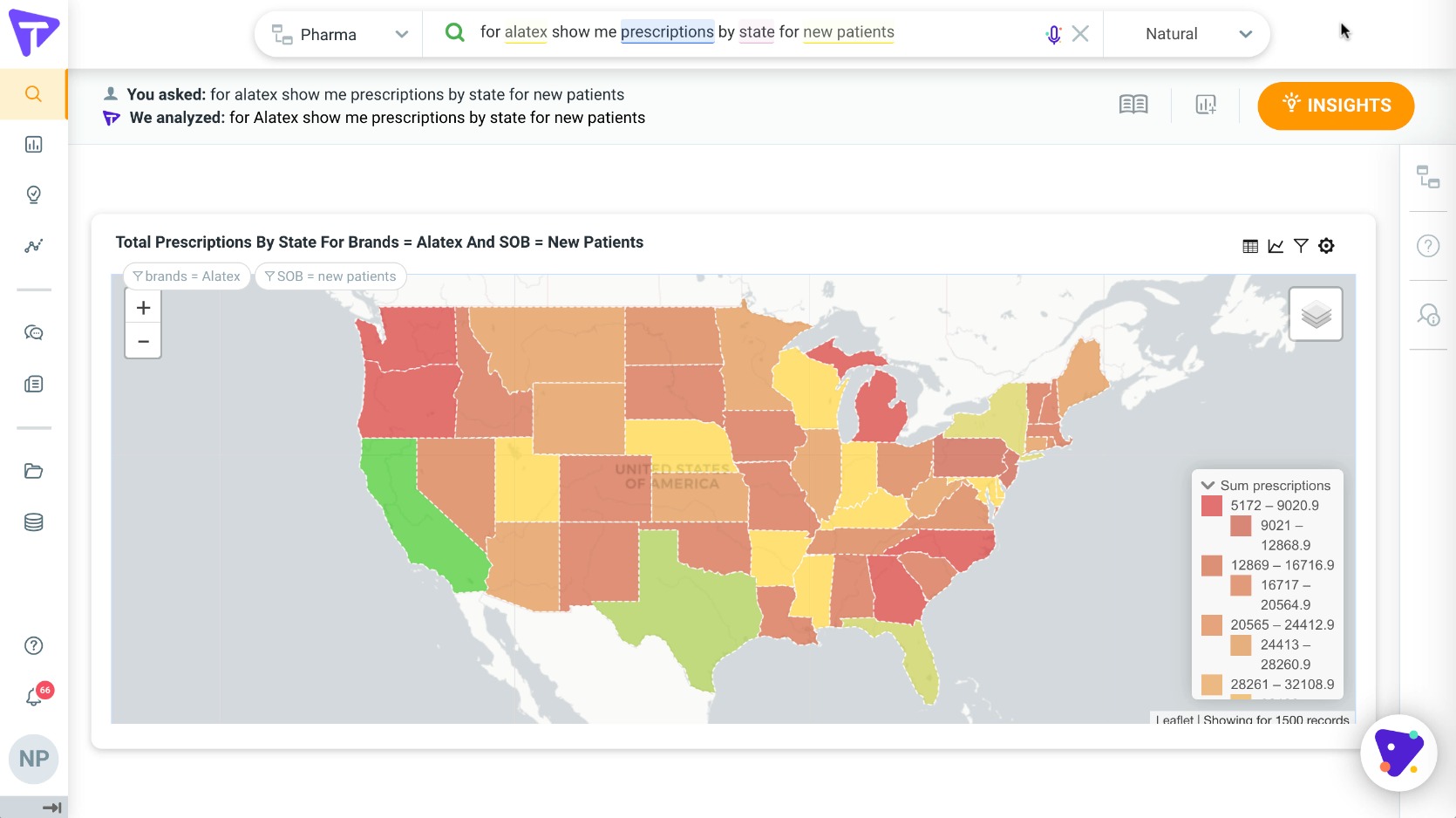
Pharma analytics leverages advanced data processing and analysis techniques to transform raw data into actionable insights. By integrating data from multiple sources, pharma analytics provides a holistic view of the drug development process, enabling companies to maintain compliance more effectively. Here’s how pharma analytics is enhancing regulatory compliance:
Data Integration and Transparency: One of the key benefits of pharma analytics is its ability to integrate data from various stages of drug development. By breaking down data silos, companies can ensure that all relevant information is accessible and transparent. This transparency is critical for meeting regulatory requirements, as it allows companies to present a comprehensive view of their processes and results to regulators.
Real-Time Monitoring: Pharma analytics enables real-time monitoring of critical processes, such as clinical trials and manufacturing. By continuously tracking key performance indicators (KPIs) and identifying deviations from expected outcomes, companies can quickly address potential compliance issues before they escalate. This proactive approach not only helps maintain compliance but also improves the overall quality of the drug development process.
Enhanced Risk Management: Regulatory agencies require companies to identify and mitigate risks throughout the drug development lifecycle. Pharma analytics provides tools for advanced risk management, using predictive models to forecast potential issues and assess the impact of different scenarios. This allows companies to implement preventive measures, reducing the likelihood of non-compliance and ensuring that safety and efficacy standards are met.
Streamlined Reporting: Reporting is a critical aspect of regulatory compliance, requiring companies to submit detailed documentation at various stages of drug development. Pharma analytics streamlines the reporting process by automating data collection and analysis, generating accurate and timely reports that meet regulatory requirements. This reduces the administrative burden on companies and minimizes the risk of errors in submissions.
Post-Market Surveillance: Even after a drug is approved, regulatory compliance continues with post-market surveillance to monitor the drug’s safety and efficacy in the real world. Pharma analytics enhances this process by analyzing real-world evidence (RWE) and adverse event reports, enabling companies to detect potential issues early and take corrective action if necessary. This ongoing monitoring is crucial for maintaining regulatory compliance and ensuring that the drug continues to meet safety standards.
The Future of Pharma Analytics in Regulatory Compliance
As the pharmaceutical industry continues to evolve, the role of pharma analytics in regulatory compliance will only grow in importance. Advanced technologies like artificial intelligence (AI) and machine learning are being integrated into pharma analytics platforms, further enhancing their ability to predict, monitor, and manage compliance risks. These innovations will enable companies to navigate the increasingly complex regulatory landscape with greater confidence and efficiency.
Pharma analytics is transforming regulatory compliance by providing the tools and insights needed to ensure the safety and efficacy of drugs. By integrating data, enabling real-time monitoring, enhancing risk management, streamlining reporting, and supporting post-market surveillance, pharma analytics is helping pharmaceutical companies meet regulatory requirements and bring safe, effective drugs to market more efficiently. As the industry moves forward, embracing pharma analytics will be essential for maintaining compliance and delivering better healthcare outcomes.



Drive digital transformation in pharma with HARMAN, offering ecosystem modernization, connected ecosystem, pharma digital revolution, care analytics through connected medical deviceshttps://services.harman.com/industries/lifesciences