


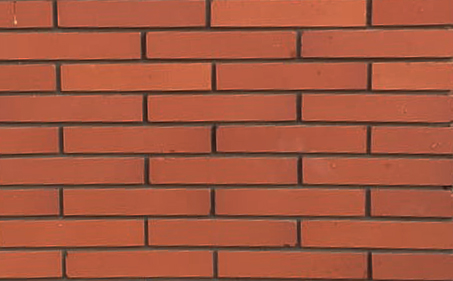
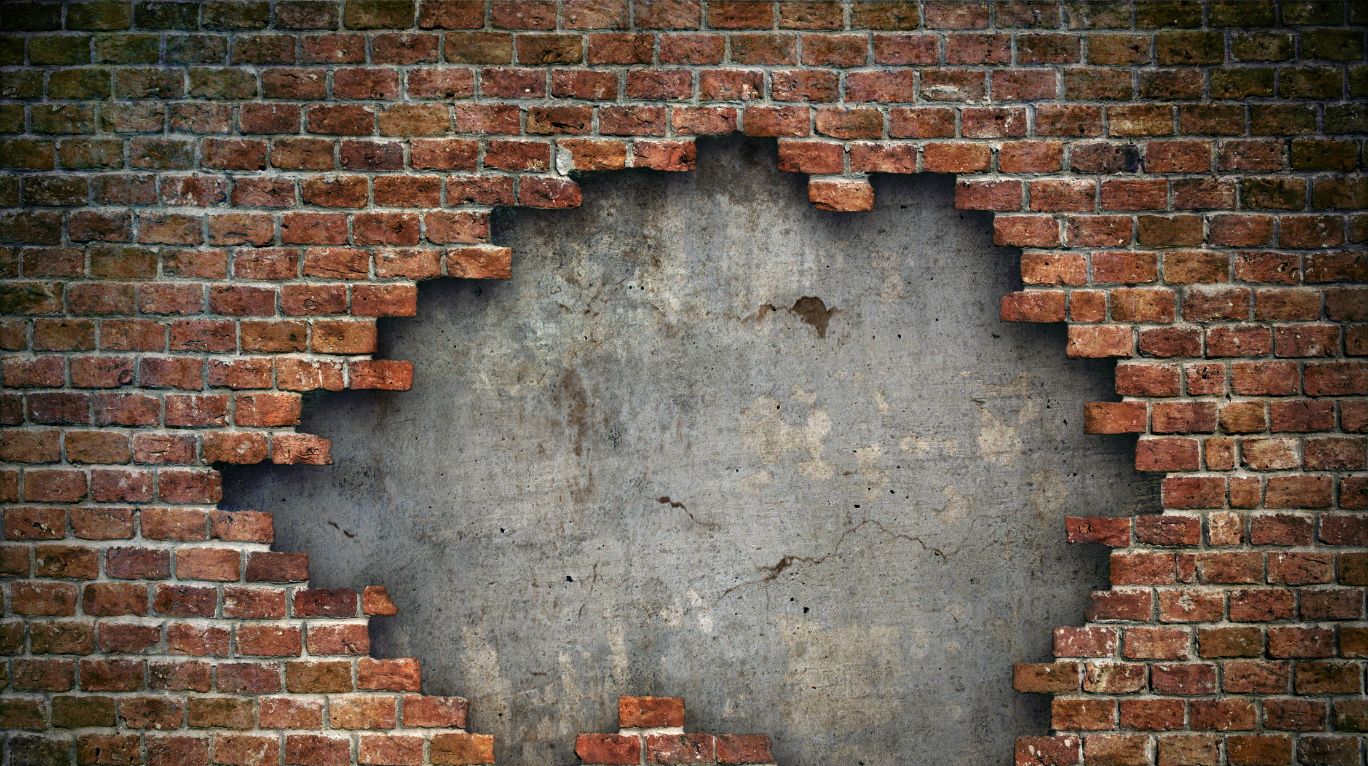
Brick walls have long been admired for their timeless beauty, durability, and practicality. From traditional homes to modern commercial spaces, bricks offer an appealing aesthetic and sturdy construction. However, a common question arises when considering brick walls for a project: Are brick walls expensive? The answer depends on several factors, including the type of bricks or brick tiles you choose, the size of the project, labor costs, and long-term benefits. In this article, we'll dive into these elements to determine the overall cost of brick walls and why BricksStreet offers high-quality, cost-effective brick tiles that can be an excellent solution for your construction needs. Factors Affecting the Cost of Brick Walls Several variables contribute to the overall cost of building brick walls, and understanding them will help you make an informed decision. Material Costs Traditional Bricks: Traditional bricks are made from materials such as clay, which undergo a firing process. Depending on the quality and type of bricks, prices can vary significantly. High-quality clay bricks may cost anywhere from ₹5 to ₹10 per brick in India, and this can add up quickly for large-scale projects. Brick Tiles: An excellent alternative to traditional bricks is brick tiles, which are thinner and more cost-effective. Brick tiles offer the same aesthetic appeal as full-sized bricks but are less expensive because they require fewer raw materials and are easier to install. On average, brick tiles can cost between ₹30 and ₹70 per square foot, depending on their quality and design.
A good for read: Terracotta Tiles Installation and Labor Costs Brick Walls: Constructing a full brick wall involves more time and labor compared to other wall types. Skilled masons are required to ensure that the bricks are laid correctly with the proper alignment and mortar application. Labor costs can vary based on location and the complexity of the design, but typically, bricklaying is considered a specialized skill, which means it comes with a higher labor cost. Brick Tiles: The installation of brick tiles is quicker and more straightforward than that of full brick walls. Since brick tiles are thinner and lighter, they are easier to work with, which reduces labor time and costs. For those seeking a beautiful brick appearance without the expense of traditional brickwork, brick tiles are a more economical solution.
A good for read: brick tiles for walls Project Size The size of the wall you’re constructing plays a significant role in determining the overall cost. A larger wall will naturally require more materials and labor, which increases the total expense. For larger projects, using brick tiles from BricksStreet can provide a significant cost saving without compromising on aesthetics or durability. Additional Materials and Maintenance Mortar and Adhesives: For both brick walls and brick tiles, additional materials like mortar, grout, and adhesives are needed. These materials add to the overall cost but are typically a small percentage of the total expense. Maintenance: One of the advantages of using bricks or brick tiles is their durability and low maintenance. Unlike other wall materials that may require frequent repairs or repainting, brick walls need minimal upkeep. This reduces long-term costs, making bricks a more economical choice over time.
A good for read: Wire Cut Bricks Are Brick Walls Worth the Investment? While brick walls may have a higher initial cost compared to other materials, they offer several benefits that make them a worthwhile investment in the long run. Here’s why brick walls, especially those made with brick tiles, provide excellent value: Longevity and Durability Bricks: Traditional bricks are known for their strength and ability to withstand the elements. Once installed, a brick wall can last for decades with minimal signs of wear. This makes bricks a smart long-term investment, particularly for exterior walls that need to endure harsh weather conditions. Brick Tiles: Although thinner, brick tiles are also highly durable. They are made from the same materials as traditional bricks, which means they share many of the same benefits, including resistance to moisture, fire, and extreme temperatures. For those looking to enhance the longevity of their interior or exterior walls without the expense of full bricks, brick tiles from BricksStreet are an excellent choice. Energy Efficiency Brick walls offer excellent thermal insulation, which can help reduce heating and cooling costs. Bricks absorb and slowly release heat, helping to maintain a stable indoor temperature. Over time, this energy efficiency can lead to significant savings on utility bills, adding to the overall value of brick walls. Aesthetic Appeal Bricks provide a timeless, classic look that enhances the beauty of any building. Whether used for modern or traditional designs, brick walls create a warm, inviting atmosphere. Brick tiles offer the same aesthetic benefits at a lower cost, making them a great alternative for those who want to achieve the look of real bricks without breaking the bank. Low Maintenance As mentioned earlier, brick walls require very little maintenance. They don’t need to be repainted or refinished, unlike other materials like wood or plaster. With proper installation, brick walls can retain their appearance and functionality for years with minimal upkeep, making them a cost-effective choice over time. Comparing Brick Walls to Other Materials When considering whether brick walls are expensive, it’s essential to compare them with other popular wall materials. Concrete Concrete is a cheaper alternative to bricks in terms of initial cost, but it may not offer the same aesthetic or thermal benefits. Additionally, concrete walls are more prone to cracking and may require repairs over time, which can increase long-term costs. Wood Wood is another popular material for walls, particularly for interior spaces. While wood can be less expensive upfront, it requires more maintenance than brick and is susceptible to moisture, termites, and fire. This increases the overall cost of maintaining wood walls. Drywall Drywall is a common choice for interior walls due to its affordability and ease of installation. However, drywall is not as durable as brick or brick tiles and is prone to damage from moisture, dents, and wear. Over time, the need for repairs or replacements can make drywall more expensive than bricks in the long run. How BricksStreet Offers Cost-Effective Solutions If you're concerned about the cost of brick walls but still want the beauty and durability they offer, BricksStreet provides a wide range of affordable brick tiles. These tiles are designed to give you the aesthetic of real brick at a fraction of the cost. Because they are thinner, they are easier to install and require less labor, further reducing expenses. BricksStreet offers high-quality brick tiles in various styles, textures, and colors, ensuring that you can find the perfect match for your project while staying within your budget. Whether you're constructing a new home or renovating an existing space, brick tiles from BricksStreet provide the ideal balance between cost and quality. Conclusion So, are brick walls expensive? While the initial cost of bricks or brick tiles may be higher than some other materials, the long-term benefits in terms of durability, energy efficiency, and low maintenance make them a cost-effective solution. For those looking to reduce upfront costs while still enjoying the timeless look of brick walls, brick tiles from BricksStreet offer an excellent alternative. By choosing brick tiles, you can achieve the beauty and strength of brick walls without the heavy expense, making it a smart investment for both residential and commercial projects.
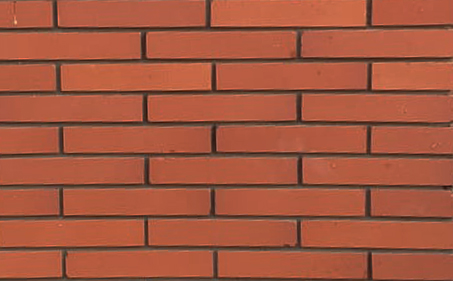
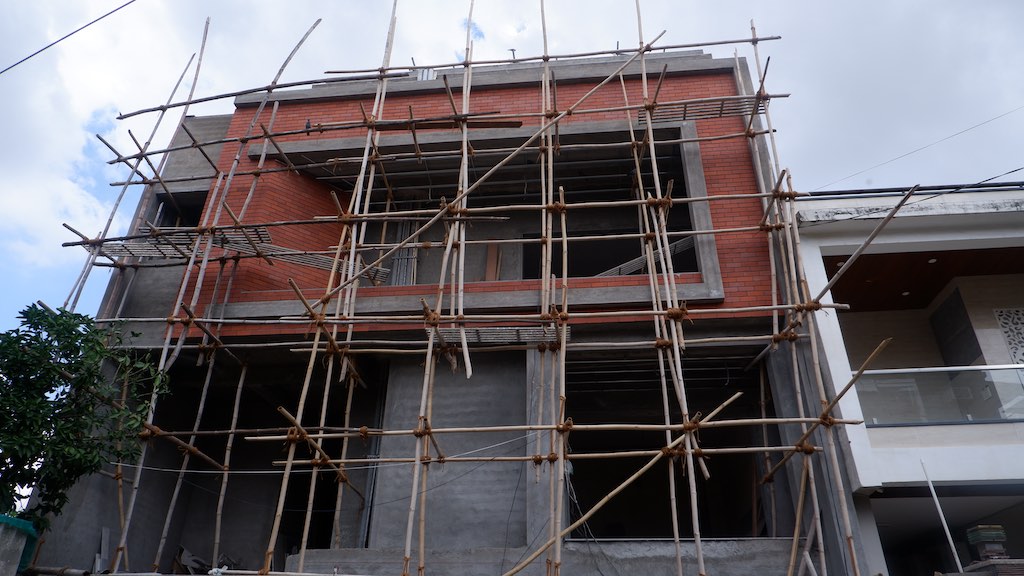
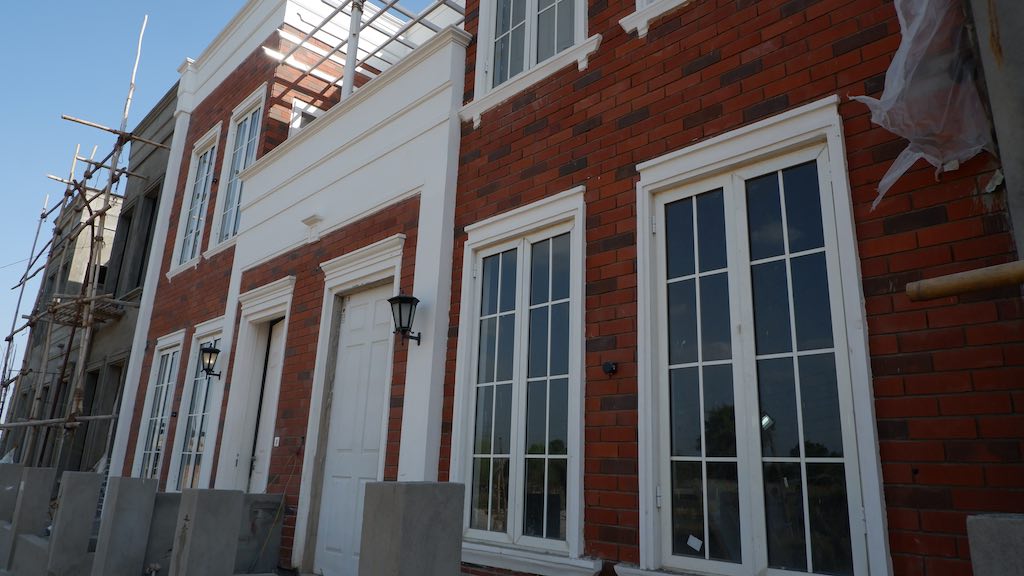

When it comes to finding the answer about how things are cheaper is better than expensive, there are certain factors that make most of the difference.
Generally speaking, we believe that with high cost comes high quality but at times expensive is not often good and par in this.
In a big way, we can find many companies are teaching people that one can get cheaper things much faster and a better way too often.
In other words, not everything seems to be perfect in a way.Thus looking at the cost is not the often right thing to consider.
In a large part, one can find a number of companies that are teaching people to get things much better and faster along with getting things cheaper.
Price can be an important function, the cost and price are very much different factors and thus help in making things one another.