In the world of construction and design, both bricks and brick slips play important roles, each offering unique benefits depending on the project. Bricks are the traditional building blocks of construction, while brick slips are thinner and lighter alternatives that mimic the appearance of bricks but serve different purposes. In this article, we will explore the key differences between brick slips and full bricks, helping you make an informed decision for your next project. Additionally, we will discuss how Terracotta Tiles from BricksStreet provide another versatile option for both aesthetic and functional needs.
1. What Are Bricks?
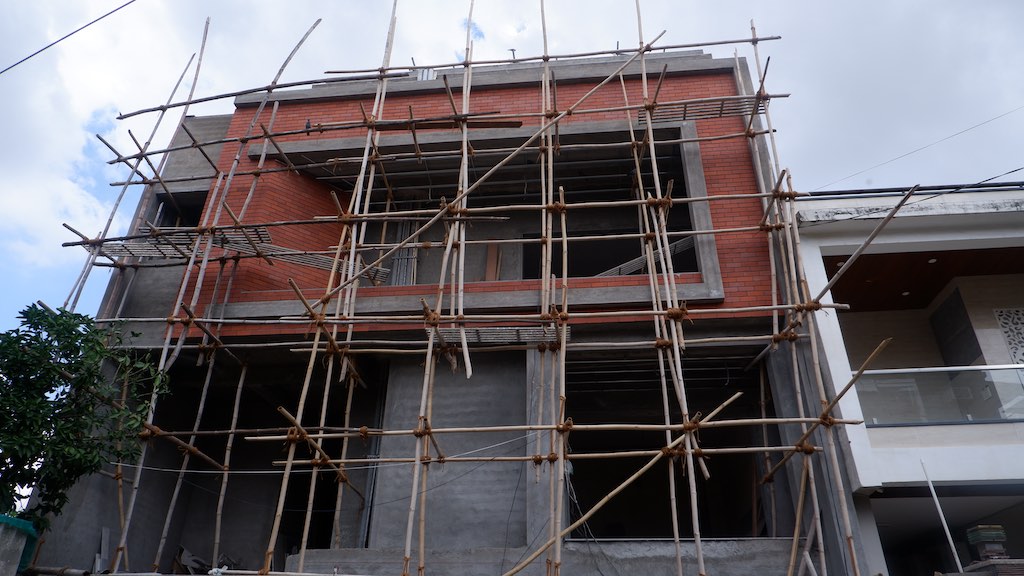
Bricks have been a staple in construction for centuries, primarily used in building load-bearing structures such as walls, foundations, chimneys, and more. Traditional bricks are solid rectangular blocks made from natural materials, like clay or concrete, that are fired in a kiln to harden them. Their durability, strength, and thermal insulation properties make them ideal for long-term construction projects.
Bricks come in various types, including clay bricks, concrete bricks, and fly ash bricks. Each type has specific qualities that make them suitable for different projects, whether it’s for residential homes, commercial buildings, or even industrial structures. Clay bricks, for example, offer natural beauty with their earthy tones and are widely used in both interior and exterior walls.
A good for read: Brick Tiles
2. What Are Brick Slips?
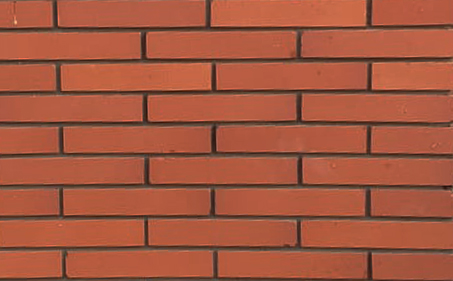
Brick slips, also known as brick veneers or brick tiles, are thin slices of traditional bricks. These are typically cut from the face of full-sized bricks, offering the same appearance as full bricks but at a fraction of the weight and thickness. Brick slips are primarily used for decorative purposes and are ideal for projects where the aesthetic of a brick wall is desired, but the full structural integrity of traditional bricks isn’t required.
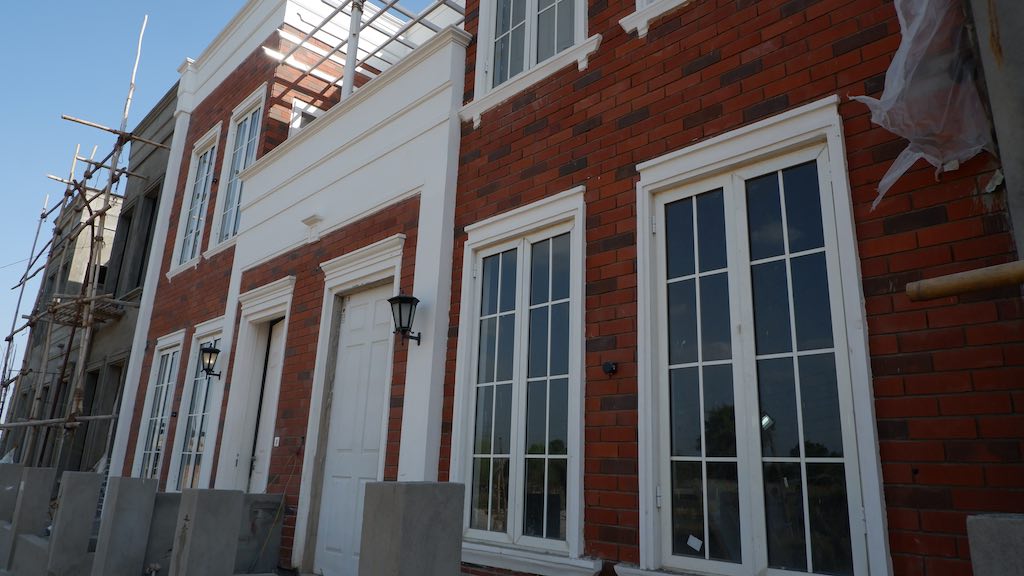
Brick slips are easy to install and can be applied to a variety of surfaces using adhesives. They are commonly used for wall cladding in both interior and exterior settings, providing the look of a real brick wall without the need for the foundation support that traditional bricks require.
3. Material and Manufacturing Process
Although bricks and brick slips often share the same raw materials, such as clay, their manufacturing processes differ.
Another alternative to both bricks and brick slips is Terracotta Tiles, which are made from natural terracotta clay. These tiles offer a unique rustic look with earthy tones and are available at BricksStreet for various design needs.
4. Applications of Bricks and Brick Slips
The primary distinction between bricks and brick slips lies in their application. Bricks are used in construction for structural purposes, while brick slips are mainly used for decorative finishes.
A good for read: brick tiles for walls
For those looking to create a warm, earthy feel in their spaces, Terracotta Tiles from BricksStreet offer an excellent alternative to brick slips. These tiles are versatile and can be used both indoors and outdoors to achieve a natural look with minimal installation effort.
5. Cost Comparison
Cost is often a critical factor when deciding between bricks and brick slips. While bricks are generally more expensive on a per-unit basis, the total cost also depends on installation and material expenses.
When choosing between bricks and brick slips, Terracotta Tiles also offer a cost-effective alternative. These tiles provide the charm of natural clay while being easier and quicker to install, reducing both material and labor costs.
6. Installation Process
The installation processes for bricks and brick slips are quite different, and this difference is important when considering the time and labor involved.
For homeowners or designers seeking a quick, easy-to-install solution, Terracotta Tiles from BricksStreet offer the added benefit of being lightweight and simple to apply, making them a great alternative to both bricks and brick slips.
7. Durability and Maintenance
Both bricks and brick slips are durable, but their performance depends on their intended use and the environment in which they are installed.
A good for read: Wire Cut Bricks
Terracotta Tiles, offered by BricksStreet, provide long-lasting performance for both indoor and outdoor use. They are resistant to moisture, temperature changes, and wear, ensuring minimal maintenance over time.
Conclusion
Understanding the differences between brick slips and traditional bricks is essential when deciding which material is best for your project. While bricks are the preferred option for structural applications, brick slips offer a lightweight, decorative alternative that replicates the charm of brick walls without the added weight or installation complexity.
Additionally, Terracotta Tiles from BricksStreet provide a versatile and eco-friendly option that blends the natural beauty of clay with modern design needs. Whether you’re building a new structure or enhancing the aesthetic appeal of your space, choosing the right material can make all the difference in the outcome of your project.
A good for read: terracottajali