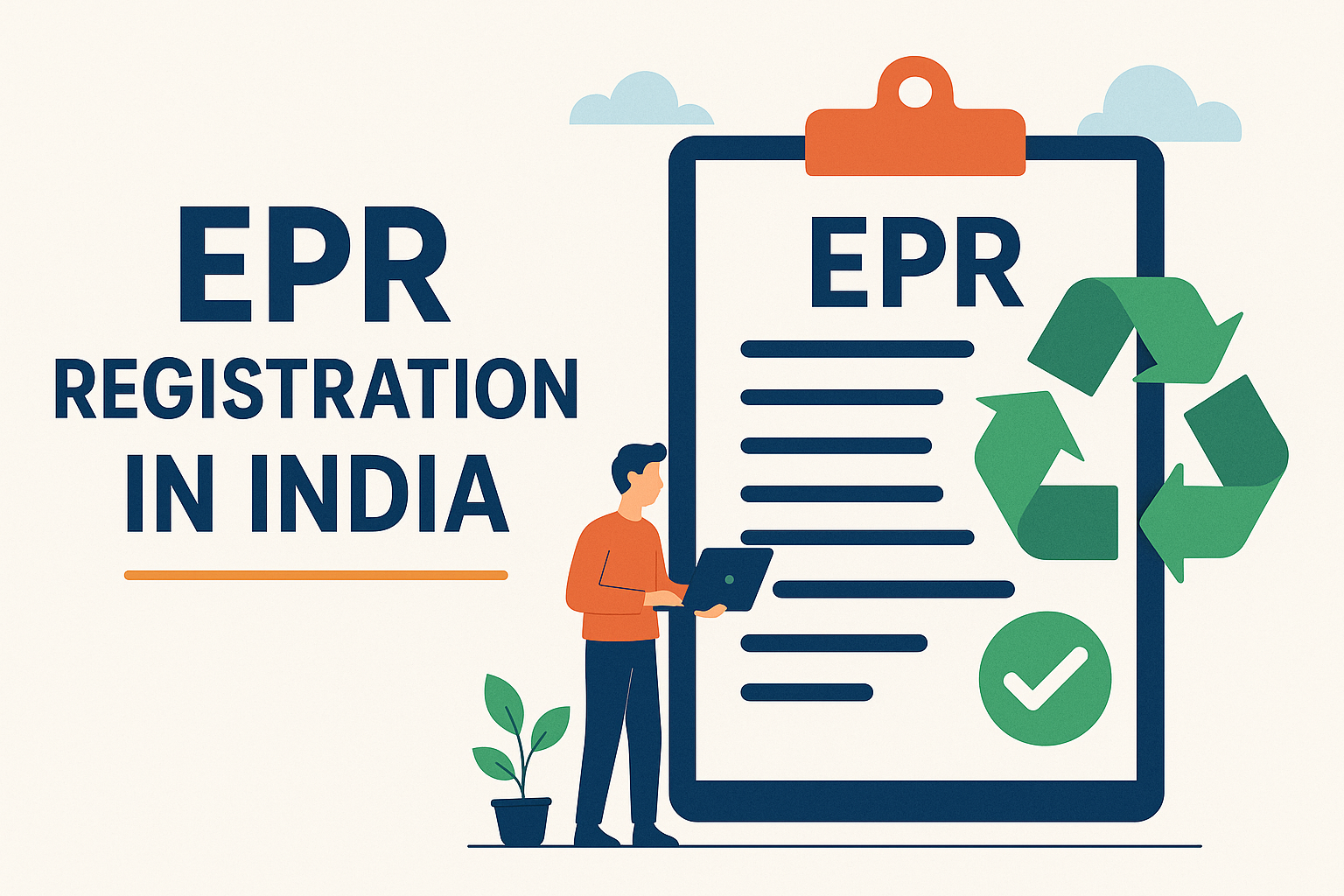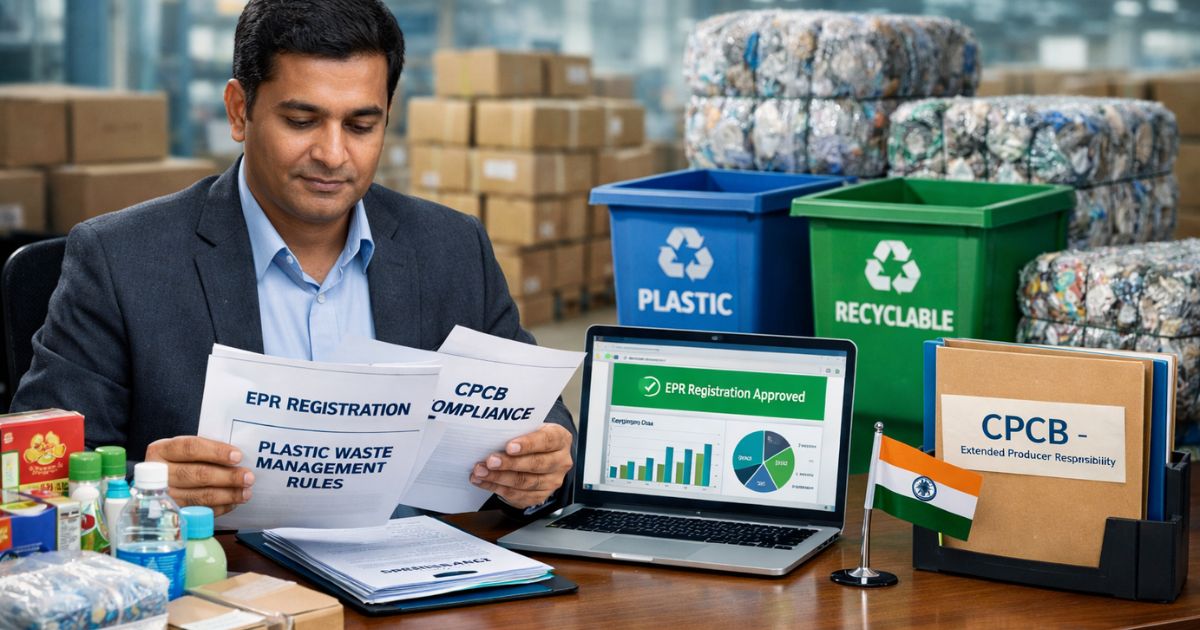


In recent years, the global focus on environmental sustainability has intensified, and India is no exception. As the country grapples with plastic waste management, Extended Producer Responsibility (EPR) has emerged as a critical framework. EPR plastic registration and certification are now pivotal components in India’s strategy to mitigate plastic pollution. This article delves into the essentials of EPR registration, the significance of EPR certificate, and their implications for businesses and the environment in India.
What is EPR Plastic Registration?
Extended Producer Responsibility (EPR) is a policy approach that holds manufacturers and importers accountable for the entire lifecycle of their products, including post-consumer waste. In the context of plastics, EPR plastic registration refers to the process by which companies involved in the production, import, or sale of plastic products are officially recognized and registered under the EPR framework.
For businesses operating in India, EPR plastic registration is not just a regulatory requirement but also a commitment to sustainable practices. The registration process involves submitting detailed information about the types and quantities of plastic products being introduced into the market. This data helps in formulating effective waste management strategies and ensuring compliance with environmental norms.
The Role of EPR Certification
Once a company completes the EPR plastic registration process, it can apply for an EPR certificate. This certificate is a formal acknowledgment that the company adheres to the EPR guidelines and is actively involved in managing plastic waste. The EPR certificate serves multiple purposes:
- Regulatory Compliance: In India, obtaining an EPR certificate is mandatory for companies to meet the plastic waste management regulations set by the Central Pollution Control Board (CPCB) and State Pollution Control Boards (SPCBs). Non-compliance can result in penalties and legal issues.
- Market Credibility: An EPR certificate enhances a company’s reputation by showcasing its commitment to environmental responsibility. It can be a valuable asset in gaining consumer trust and differentiating a brand in a competitive market and our company Certifications Bay give consultancy of all these certifiction services .
- Operational Efficiency: Through EPR certification, companies can access guidance and support for effective waste management practices. This can lead to more efficient resource use, cost savings, and improved overall sustainability.
The Impact on Businesses and the Environment
EPR plastic registration and certification are not merely bureaucratic processes; they have tangible benefits for both businesses and the environment.
For businesses, adhering to EPR regulations can result in long-term advantages such as:
- Reduced Environmental Footprint: By managing the lifecycle of plastic products, companies contribute to a reduction in plastic pollution, promoting a cleaner and healthier environment.
- Enhanced Business Opportunities: Companies with EPR certification may find new business opportunities and partnerships, especially with environmentally-conscious consumers and organizations.
- Incentives and Support: The Indian government and various agencies offer incentives, technical assistance, and resources to certified companies, making the transition to sustainable practices more accessible.
For the environment, the positive effects of EPR registration and certification are substantial:
- Effective Waste Management: EPR ensures that plastic waste is collected, processed, and recycled properly, reducing the burden on landfills and natural ecosystems.
- Promotion of Circular Economy: By fostering recycling and reuse, EPR supports the transition towards a circular economy, where materials are continually repurposed rather than discarded.
- Reduction in Pollution: Proper management of plastic waste leads to a decrease in pollution levels, benefiting both terrestrial and aquatic environments.
Conclusion
In conclusion, EPR plastic registration and certification are crucial steps in India’s journey towards sustainable waste management and environmental protection. For businesses, these processes offer a path to regulatory compliance, market differentiation, and operational efficiency. For the environment, they represent a significant stride towards reducing plastic pollution and promoting a circular economy. Embracing EPR principles is not only a regulatory obligation but a forward-thinking approach that aligns with global sustainability goals. By prioritizing EPR plastic registration and certification, India can pave the way for a cleaner, greener future.