
In the fast-paced world of healthcare, staying ahead of the curve is not just a desire but a necessity. As the healthcare industry continues to evolve, so too does the technology that supports it. EHR & EMR Software has emerged as a game-changer in healthcare management, offering a modern solution to age-old problems. But what exactly are these tools, and how are they transforming the way healthcare professionals manage patient information?
Imagine trying to manage an entire library of books using only a pen and paper—an overwhelming task, right? This analogy paints a clear picture of how outdated methods of record-keeping can hinder healthcare providers. In this digital age, EHR and EMR Solutions are akin to having an advanced, searchable database at your fingertips, making the management of patient records not only easier but also more efficient and accurate.

In this article, we will dive deep into the world of EHR and EMR Software, exploring how these innovative solutions are revolutionizing healthcare management, making it more streamlined, effective, and patient-centric.
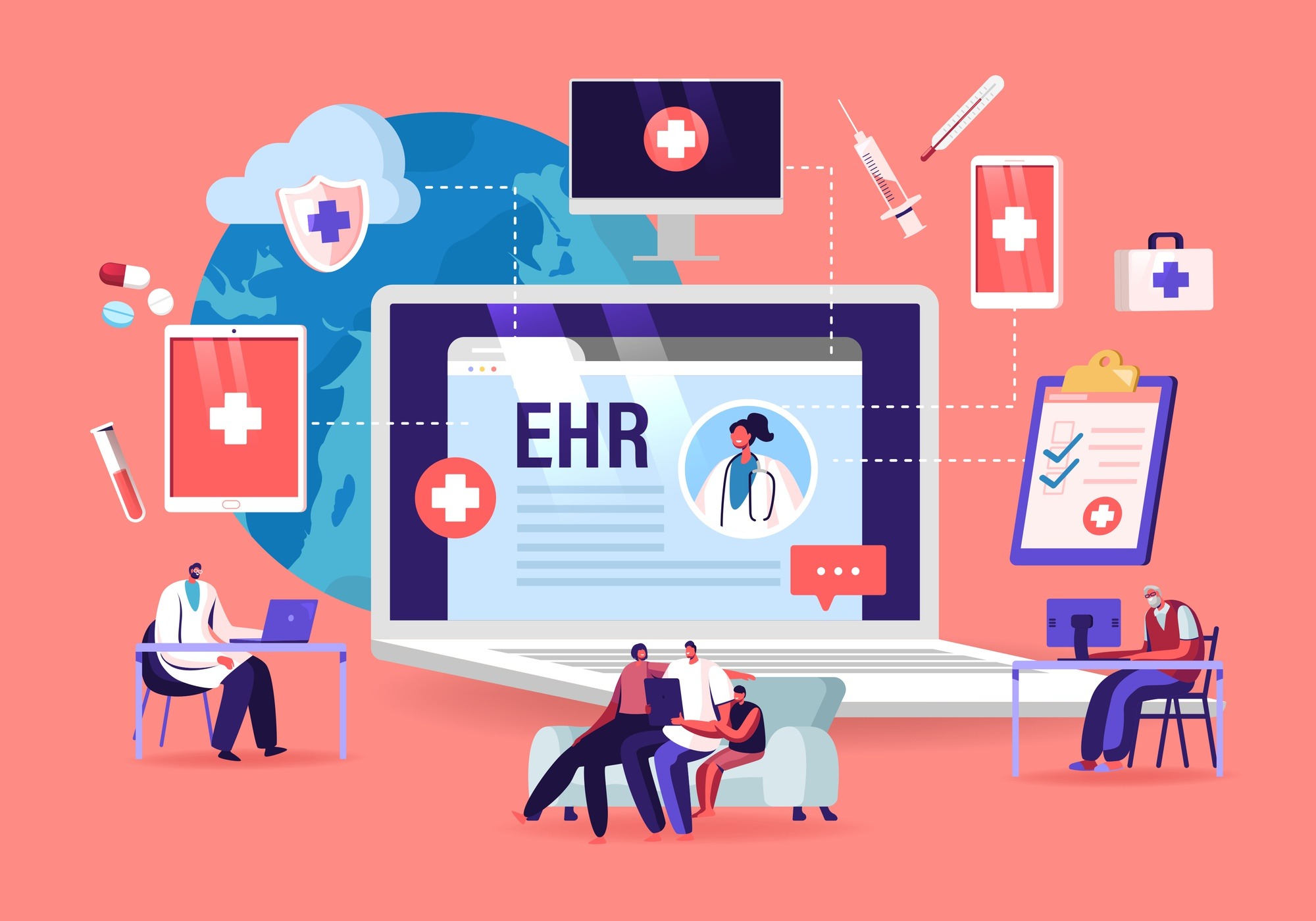
Electronic Health Records (EHR) and Electronic Medical Records (EMR) have revolutionized the way healthcare providers store and access patient information. Unlike traditional paper records, EHR and EMR Solutions provide a digital method of capturing and storing patient data. This shift from paper to digital is not just a trend; it is a significant transformation that enhances the efficiency, accuracy, and accessibility of healthcare information.
What Are EHR & EMR Software?
At their core, EHR & EMR Software are digital versions of a patient’s paper chart. EHRs are comprehensive, covering all aspects of a patient’s health history across multiple healthcare providers. On the other hand, EMRs are more limited, focusing primarily on a single provider’s records. However, both systems play a crucial role in modern healthcare by providing quick access to patient data, enabling better and faster decision-making.
The Evolution of EHR and EMR Solutions
The journey of EHR and EMR Solutions began with the need to modernize healthcare records. Initially, medical records were kept on paper, which posed challenges in terms of storage, accessibility, and security. The introduction of EMRs in the 1960s marked the beginning of digital record-keeping in healthcare. However, it wasn’t until the late 20th century that EHR became popular, offering a more comprehensive view of patient care across different providers.
Key Features of EHR and EMR Software
EHR and EMR Software come with a host of features designed to streamline healthcare management. Some of the most important features include:
These features work together to provide a unified platform that supports all aspects of patient care.
Benefits of EHR and EMR Solutions for Healthcare Providers
The benefits of EHR and EMR Solutions are vast and varied. For healthcare providers, these systems offer:
By enhancing the efficiency and accuracy of healthcare management, EHR and EMR Software allow providers to focus more on patient care.
Impact on Patient Care
Patients are at the heart of healthcare, and EHR and EMR Solutions significantly impact their care. With these systems, patients experience:
Challenges in Implementing EHR and EMR Systems
While EHR and EMR Software offer numerous benefits, their implementation is not without challenges. These include:
Overcoming these challenges is crucial to fully realizing the benefits of EHR and EMR Solutions.
How EHR & EMR Software Enhance Data Security
In an era where data breaches are increasingly common, the security of patient information is paramount. EHR and EMR Software come equipped with robust security features, including:
These features help protect patient information from unauthorized access and ensure compliance with healthcare regulations.
Integration of EHR and EMR with Other Healthcare Technologies
The true power of EHR and EMR Solutions is realized when they are integrated with other healthcare technologies, such as:
Integration with these technologies enhances the functionality of EHR and EMR Software, making them even more valuable in the healthcare landscape.
The Future of EHR and EMR Solutions
The future of EHR and EMR Solutions is bright, with advancements in technology promising even more innovative features. Some trends to watch include:
As these technologies continue to evolve, EHR and EMR Solutions will become even more integral to healthcare management.
Choosing the Right EHR & EMR Software
Selecting the right EHR and EMR Software is critical for healthcare providers. Key considerations include:
Choosing the right solution can significantly impact the efficiency and effectiveness of healthcare management.
Case Studies: Success Stories in EHR & EMR Implementation
To understand the real-world impact of EHR and EMR Software, let's look at some success stories:
These case studies highlight the transformative power of EHR and EMR Solutions in different healthcare settings.
Conclusion
In conclusion, EHR and EMR Software are not just tools; they are transformative solutions that are reshaping the landscape of healthcare management. By improving efficiency, enhancing patient care, and ensuring data security, these systems offer immense value to healthcare providers and patients alike. As technology continues to advance, the potential for EHR and EMR Solutions to further revolutionize healthcare is limitless. Whether you are a healthcare provider looking to modernize your practice or a patient seeking better care, EHR and EMR Software are integral to the future of healthcare.
FAQs
1. What is the difference between EHR and EMR?
EHR (Electronic Health Records) is a comprehensive digital record of a patient’s health history that can be shared across multiple healthcare providers. EMR (Electronic Medical Records), on the other hand, is a digital version of a patient’s chart within a single provider’s practice.
2. How do EHR and EMR Software improve patient care?
EHR and EMR Software improve patient care by providing healthcare providers with quick access to accurate patient information, enabling better diagnosis, treatment, and personalized care.
3. What are the challenges of implementing EHR and EMR Systems?
Some challenges include high initial costs, the need for staff training, data migration issues, and resistance to adopting new technologies.
4. Can EHR and EMR Systems be integrated with other healthcare technologies?
Yes, EHR and EMR Systems can be integrated with other healthcare technologies such as telemedicine platforms, wearable devices, and AI-driven tools to enhance their functionality.
5. How do I choose the right EHR & EMR Software for my practice?
Consider factors such as user-friendliness, customization options, scalability, and the availability of support and training when choosing the right EHR & EMR Software for your practice.