




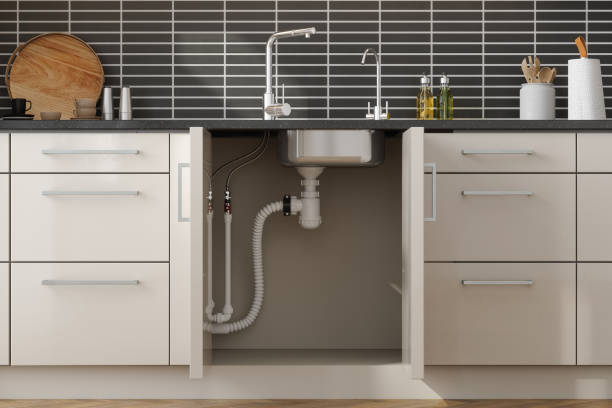
Plumbing fixtures are essential components of any household, ensuring the smooth flow of water and efficient drainage. These fixtures include faucets, sinks, toilets, showers, and bathtubs, all of which play a crucial role in maintaining the hygiene and functionality of your home. Over time, however, these fixtures can wear out, leading to leaks, inefficiencies, and potential water damage. Knowing when to replace your plumbing fixtures is vital to prevent further complications and maintain the integrity of your home's plumbing system.
Signs of Wear and Tear in Plumbing Fixtures
One of the most obvious indicators that your plumbing fixtures need replacing is visible wear and tear. This can manifest in various forms, such as corrosion, rust, or discoloration. Faucets and sinks that have lost their shine or have developed unsightly stains are clear signs that they are deteriorating. Similarly, toilets that have cracks or chips in the porcelain are not only unsightly but can also lead to leaks and water damage. Regularly inspecting your plumbing fixtures for these signs can help you identify when it's time for a replacement.
Frequent Leaks and Drips
Another telltale sign that your plumbing fixtures need replacing is the presence of frequent leaks and drips. While a small drip may seem insignificant, it can lead to substantial water wastage over time. Additionally, persistent leaks can indicate underlying issues with the fixture's components, such as worn-out seals or gaskets. If you find yourself constantly dealing with leaks, it may be more cost-effective to replace the fixture entirely rather than continually repairing it.
Decreased Water Pressure
Decreased water pressure is a common issue that can signal the need for new plumbing fixtures. Over time, mineral deposits and sediment can accumulate within the fixtures, obstructing the flow of water. This buildup can result in reduced water pressure, making everyday tasks such as showering or washing dishes less efficient and enjoyable. If cleaning the fixtures does not resolve the issue, it may be time to consider replacing them to restore optimal water pressure.
Unusual Noises in Plumbing Fixtures
Unusual noises coming from your plumbing fixtures can also indicate that they are due for a replacement. Whistling, banging, or clanking sounds can be caused by various factors, including loose or damaged components, air in the pipes, or water hammer. These noises not only disrupt the tranquility of your home but can also signify more serious underlying problems. Replacing the affected fixtures can help eliminate these noises and ensure the smooth operation of your plumbing system.
Outdated and Inefficient Fixtures
In addition to functional issues, outdated and inefficient fixtures can be a compelling reason to consider replacements. Older fixtures may not meet current water efficiency standards, leading to higher water bills and unnecessary water wastage. Modern plumbing fixtures are designed to be more water-efficient, helping you conserve water and reduce your environmental footprint. Upgrading to newer, more efficient fixtures can result in long-term savings and a more sustainable household.
Recurring Clogs and Slow Drains
Recurring clogs and slow drains are common plumbing issues that can indicate the need for new fixtures. Over time, debris, hair, and soap scum can accumulate in the pipes, leading to frequent blockages. While occasional clogs can be resolved with simple remedies such as plunging or using a drain cleaner, persistent clogs may require more extensive solutions. Replacing old or damaged fixtures can help improve drainage and prevent future clogs, ensuring the smooth flow of water in your home.
High Water Bills
Unexpectedly high water bills can be a sign that your plumbing fixtures are not functioning efficiently. Leaking faucets, running toilets, and inefficient fixtures can all contribute to increased water consumption, leading to higher utility bills. If you notice a sudden spike in your water bills without a corresponding increase in usage, it may be time to inspect your plumbing fixtures for leaks or inefficiencies. Replacing faulty fixtures can help you save money on your water bills and reduce water wastage.
Water Damage and Mold Growth
Water damage and mold growth are serious issues that can result from faulty plumbing fixtures. Leaking fixtures can cause water to seep into walls, floors, and cabinets, leading to structural damage and mold growth. Mold not only poses health risks but can also be difficult and costly to remove. Regularly inspecting your plumbing fixtures for leaks and promptly replacing any damaged fixtures can help prevent water damage and mold growth, ensuring a safe and healthy living environment.
Difficulty in Finding Replacement Parts
As plumbing fixtures age, finding replacement parts can become increasingly challenging. Manufacturers may discontinue certain models or parts, making it difficult to repair older fixtures. If you find yourself struggling to locate replacement parts for your plumbing fixtures, it may be more practical to replace the entire fixture. Upgrading to newer fixtures with readily available parts can simplify future maintenance and repairs.
Improving Aesthetic Appeal with New Plumbing Fixtures
Beyond functionality, replacing your plumbing fixtures can also enhance the aesthetic appeal of your home. Outdated or worn-out fixtures can detract from the overall look of your bathroom or kitchen. Upgrading to modern, stylish fixtures can give these spaces a fresh and updated appearance. Whether you're planning a complete renovation or simply looking to refresh your home's look, new plumbing fixtures can make a significant difference in the overall aesthetic.
Enhancing Home Value Through Fixture Replacement
Replacing old plumbing fixtures can also increase the value of your home. Potential buyers are often attracted to homes with updated and well-maintained plumbing systems. Modern fixtures not only improve functionality but also add a touch of luxury and sophistication to your home. Investing in new plumbing fixtures can be a worthwhile endeavor, especially if you're considering selling your home in the future.
Ensuring Compliance with Building Codes
Ensuring compliance with building codes is another important reason to replace outdated plumbing fixtures. Building codes and regulations are continually evolving to promote safety, efficiency, and environmental sustainability. Older fixtures may not meet current standards, potentially leading to issues during home inspections or renovations. Replacing your plumbing fixtures with code-compliant models can help you avoid potential legal and financial complications.
Professional Assessment and Replacement of Plumbing Fixtures
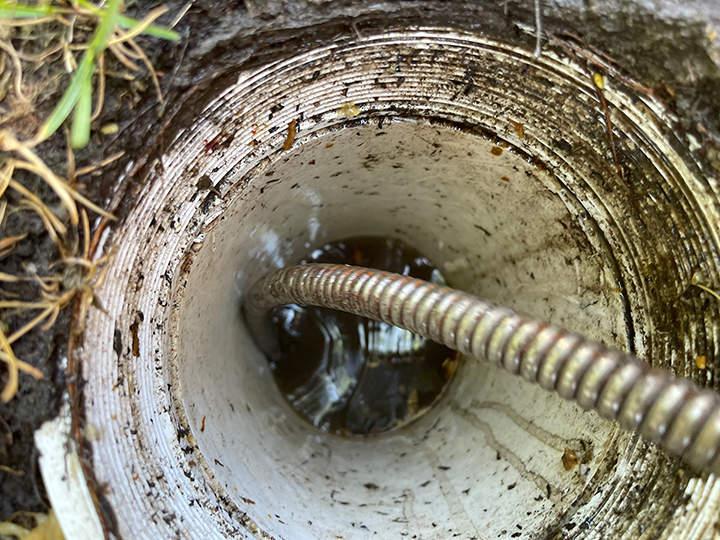
While some signs of deteriorating plumbing fixtures are easy to identify, others may require a professional assessment. Plumbers have the expertise and tools to thoroughly camera inspect your plumbing system and determine whether your fixtures need replacing. They can also provide recommendations on the best fixtures for your specific needs and ensure proper installation. Seeking professional assistance can give you peace of mind and ensure the longevity and efficiency of your plumbing system.
Conclusion
In conclusion, knowing when to replace your plumbing fixtures is essential for maintaining the functionality, efficiency, and aesthetic appeal of your home. By paying attention to signs of wear and tear, frequent leaks, decreased water pressure, unusual noises, and other indicators, you can proactively address plumbing issues and prevent further complications. Upgrading to modern, efficient fixtures can result in long-term savings, improved water conservation, and enhanced home value. Regular inspections and professional assessments can help you make informed decisions about when to replace your plumbing fixtures, ensuring a well-maintained and reliable plumbing system for years to come.

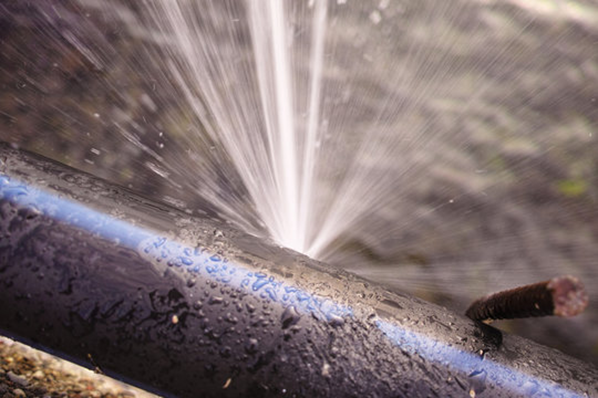
When it comes to plumbing systems installed at home or offices, we never take anything lightly as we understand that even a simple leak in your plumbing units can create a great level of nuisance.
If your units are facing issues and you are searching for the Emergency Plumber Near Me, don’t take any tension.
Just make a call on our helpline number, and we make sure that you get quick and reliable solutions from our Master Plumber at your doorsteps instantly.
We understand that searching for Plumbing Services Near Me I case of emergency can be a very time-consuming process you need to compare and categorized services as per your needs and budget.
In that scenarios, our Emergency Plumbing Service are your friend as we have the best support instantly delivered by experienced and trained plumbers even in odd hours.
Call us and get the best-suited results promptly.plumbing services, plumbers near me, plumbing companies near me, plumbing services near me, plumbers in my area, emergency plumber near me, affordable plumbing, master plumber, best plumbers near me, 24 hour plumber near me, emergency plumbing service, plumbing contractors near meplumbing supply, cheap plumbing, plumber now, discount plumbers near me, inexpensive plumbers near me, plumbers near me 24 hours, affordable plumbing services near me, emergency plumber nearby, cheap plumbers near me, cheap plumbing service near me, reasonable plumbers near me, near by plumber service, 24 hours plumber near me, trusted plumbers near me, plumbing repair near me, cheap emergency plumber near me, local plumber near me