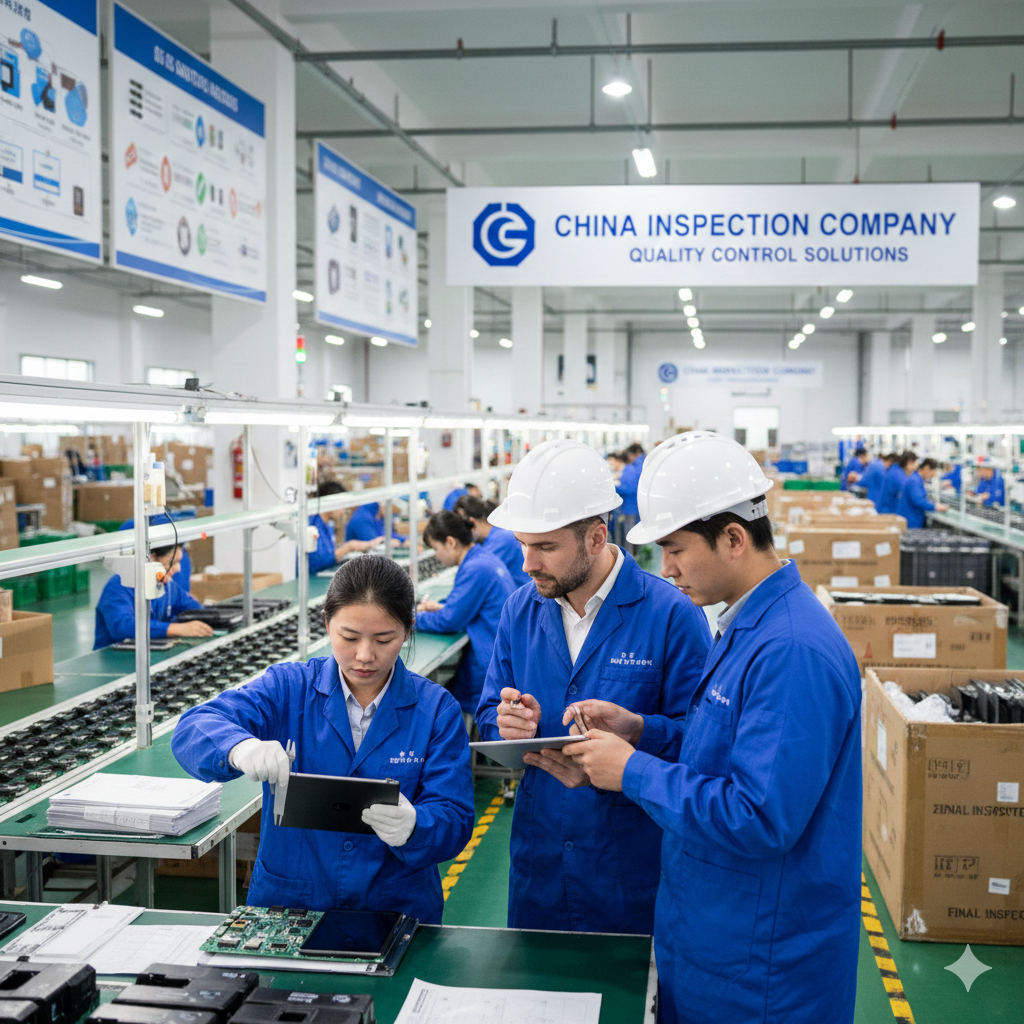
What is Quality Inspection? Quality inspection is a fundamental process in manufacturing and production that ensures products meet specified standards and criteria. This process involves evaluating products during or after production to detect any defects, inconsistencies, or deviations from the required specifications. By maintaining rigorous quality inspection practices, organizations can deliver products that satisfy customer expectations and comply with industry regulations.
Definition and Purpose of Quality Inspection Quality inspection is a systematic procedure used to assess the quality of products. It involves examining products at various stages of the production process to ensure they meet predetermined quality standards. The purpose of quality inspection is to identify any issues before products reach the market, thereby preventing defective or substandard items from being sold. This proactive approach helps minimize waste, reduce returns, and enhance customer satisfaction. Types of Quality Inspection 1. Incoming Inspection: This type of inspection occurs when raw materials or components arrive at the manufacturing facility. Inspectors examine these materials to ensure they meet the specified standards and are suitable for use in production. This step is crucial for preventing defects that could arise from substandard materials. 2. In-Process Inspection: During the production process, in-process inspections are conducted to monitor and control the quality of products. Inspectors check various stages of production to ensure that processes are being followed correctly and that products are being manufactured according to specifications. This helps in catching issues early and making necessary adjustments to prevent defects. 3. Final Inspection: Final inspection takes place once the production process is complete. Inspectors review the finished products to ensure they meet all quality standards before they are packaged and shipped. This step is essential for ensuring that only products that pass rigorous quality checks reach the customers. 4. Destructive Testing: In some cases, destructive testing is performed to evaluate the durability and performance of products under extreme conditions. This type of quality inspection involves testing a sample of products to destruction to understand their limits and ensure they will perform reliably in real-world applications. Importance of Quality Inspection Quality inspection plays a crucial role in maintaining product quality and ensuring customer satisfaction. Here are some key reasons why quality inspection is important: 1. Detecting Defects Early: By identifying defects during production, quality inspection helps in addressing issues before products reach customers. This reduces the likelihood of defective products being sold, which can save companies from costly recalls and damage to their reputation. 2. Ensuring Compliance: Quality inspection ensures that products comply with industry standards and regulatory requirements. This is important for meeting legal obligations and achieving certifications that can enhance a company's credibility and marketability. 3. Improving Process Efficiency: Regular quality inspections can help in identifying inefficiencies and areas for improvement in the production process. By addressing these issues, manufacturers can streamline operations, reduce waste, and enhance overall productivity. 4. Enhancing Customer Satisfaction: high-quality products are crucial for maintaining customer trust and satisfaction. Quality inspection ensures that products meet customer expectations, leading to positive reviews, repeat business, and a strong market presence. Implementing Effective Quality Inspection To implement an effective quality inspection process, organizations should follow these best practices: 1. Define Clear Standards: Establish clear quality standards and criteria for inspection. This ensures that all inspections are conducted based on consistent and measurable parameters. 2. Train Inspectors Provide training for inspectors to ensure they are knowledgeable about inspection techniques, tools, and quality standards. Well-trained inspectors are essential for accurate and reliable assessments. 3. Employ Appropriate Tools: To enable precise measurements and assessments, make use of the proper inspection tools and apparatus. This includes gauges, microscopes, and software for data analysis. 4. Document Findings Keep detailed records of inspection results, including any defects or issues identified. This documentation can be valuable for tracking quality trends, addressing recurring problems, and making data-driven improvements. 5. Continuously Improve: Regularly review and refine the quality inspection process to adapt to changing standards and customer requirements. Continuous improvement helps in maintaining high quality and staying competitive in the market.
Still Thinking? Take a Free Trial Today : https://axonator.com/request-for-demo/
About Axonator Inc: At Axonator, our vision is simple yet powerful: to enable the world on mobile. We envision a future where every aspect of business and society is seamlessly connected through mobile devices. Our mission is to empower businesses worldwide to leverage the full potential of mobile technology, transforming the way they operate, communicate, and collaborate. Contact: Axonator Inc. (The World On Mobile) Austin, TX, USA USA: +1-512-790-5120 India: +91-7038-600-600 Email: support@axonator.com Website: https://axonator.com/