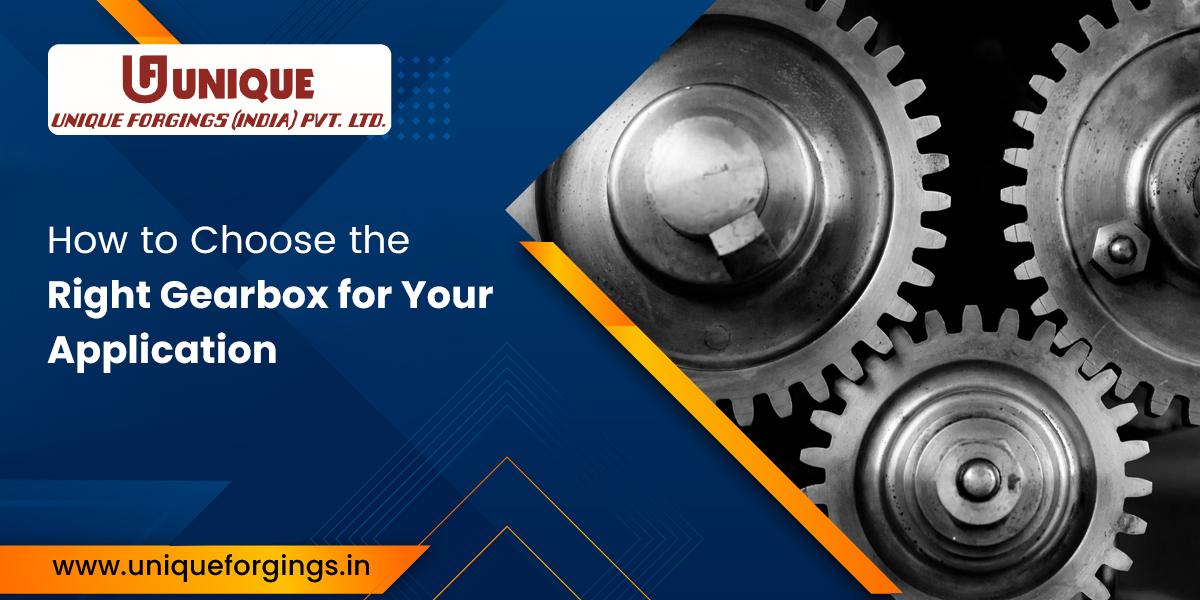
When it comes to selecting the right gearbox for your specific application, the decision can be daunting due to the wide range of available options. Gearboxes are critical components in many industries, from automotive and manufacturing to energy and mining, serving as a means to adjust speed, torque, and direction of mechanical systems. Choosing the right gearbox not only enhances the efficiency and lifespan of machinery but also optimizes performance, reduces downtime, and saves costs. In this guide, we’ll walk you through the essential factors to consider when selecting the right gearbox for your needs. Understanding the Basics of Gearboxes:
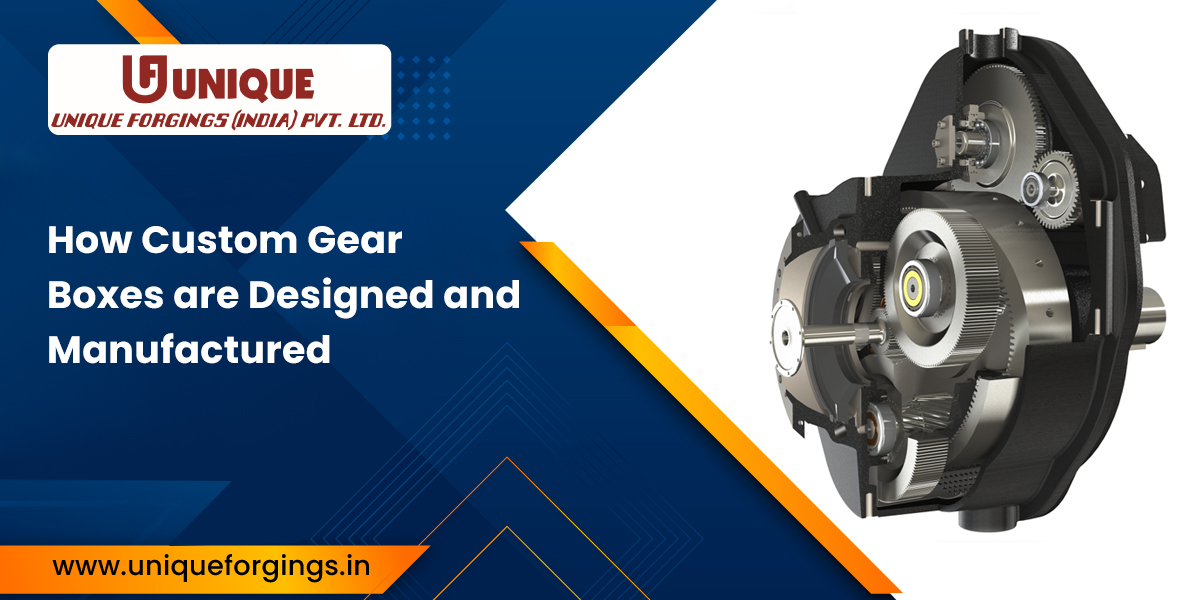
Before diving into the specifics of how to choose a gearbox, it's crucial to understand what a gearbox does and the different types available. A gearbox is a mechanical device that transfers power from an engine or motor to an output device, such as a conveyor belt, pump, or a machine. It does so by converting speed and torque from the motor to a suitable form for the application.
There are several types of gearboxes, each designed to suit different applications:
1. Helical Gearbox: Known for its efficiency and smooth operation, helical gearboxes are commonly used in heavy-duty applications like conveyors, crushers, and mixers. 2. Bevel Gearbox: Bevel gearboxes are designed to change the direction of shaft rotation and are used in right-angle applications, such as power transmission in vehicles. 3. Worm Gearbox: These gearboxes provide high torque reduction and are ideal for applications where space is limited, and noise reduction is crucial, such as lifts, elevators, and gates. 4. Planetary Gearbox: Offering high efficiency and compact size, planetary gearboxes are widely used in applications that require high torque and precise speed control, such as robotics, electric vehicles, and wind turbines. 5. Spur Gearbox: Spur gearboxes are simple and cost-effective, often used in applications that do not require high precision, like agricultural machinery and construction equipment.
Key Factors to Consider When Choosing a Gearbox:
Selecting the right gearbox involves a detailed understanding of the application, operational requirements, and specific needs of the machinery. Here are the primary factors to consider:
1. Load Requirements:
The load that a gearbox needs to handle is one of the most important considerations. Determine the torque requirements for your application. Torque is a measure of the rotational force that the gearbox needs to deliver. Consider both the starting torque (the torque required to start the machine) and the running torque (the torque needed to keep the machine running).
For applications that involve frequent starts and stops, high-inertia loads, or heavy shock loads, you may need a gearbox that is designed for high torque and durability. Gears & Gear Box Manufacturers offer a variety of gearboxes that cater to different torque requirements, ensuring optimal performance and longevity.
2. Speed Requirements:
The desired output speed is another critical factor. Gearboxes can either increase or decrease speed depending on the gear ratio. Determine the required speed reduction ratio by dividing the motor's speed by the desired output speed. If your application involves precise speed control, a gearbox with a higher precision level, such as a planetary gearbox, may be the right choice.
3. Space Constraints:
The physical size of the gearbox is also an essential factor to consider. The available space for installation will determine the dimensions and design of the gearbox. For applications with limited space, compact designs like planetary or worm gearboxes may be more suitable.
Many Gears & Gear Box Manufacturers offer customized solutions that are specifically designed to fit into restricted spaces without compromising on performance.
4. Efficiency Requirements:
Efficiency is a measure of how much power is lost in the gearbox during operation. Different types of gearboxes have different efficiency ratings. For instance, planetary gearboxes typically have higher efficiency ratings due to their unique design, while worm gearboxes may have lower efficiency due to the sliding action of the worm and worm wheel.
If your application requires a high-efficiency gearbox, consider helical or planetary gearboxes. Selecting a high-efficiency gearbox can reduce energy consumption, decrease operational costs, and extend the lifespan of the equipment.
5. Environmental Conditions:
The working environment plays a significant role in choosing the right gearbox. Factors such as temperature, humidity, exposure to chemicals, dust, and vibrations can impact the performance and longevity of the gearbox. For harsh environments, such as those in the mining or chemical industries, you may need a gearbox with specific protective coatings, seals, and materials that can withstand extreme conditions. Gears & Gear Box Manufacturers often provide gearboxes with corrosion-resistant materials and robust seals to ensure durability in challenging environments.
6. Mounting Position:
The mounting position of the gearbox also affects the selection process. Some gearboxes are designed for horizontal mounting, while others are for vertical mounting. The mounting position impacts the lubrication system, which is crucial for the gearbox's performance and lifespan.
Consider the gearbox's design and ensure it matches the mounting requirements of your application. Consult with Gears & Gear Box Manufacturers to find a gearbox that offers flexibility in mounting positions without compromising performance.
7. Maintenance and Serviceability:
Ease of maintenance and availability of spare parts are vital factors to consider. Gearboxes that are difficult to maintain or have limited access to spare parts can lead to longer downtimes and higher operational costs. Opt for gearboxes that are known for their reliability, ease of maintenance, and have readily available spare parts.
8. Noise Levels:
In applications where noise reduction is critical, such as in hospitals, offices, or residential areas, the noise level of the gearbox is a key consideration. Helical gearboxes are known for their quiet operation due to their angled teeth that engage gradually, reducing noise. Worm gearboxes also provide quieter operation but may not be as efficient.
Consult with Gears & Gear Box Manufacturers to find a solution that meets your noise level requirements without sacrificing performance.
9. Cost and Budget Constraints:
While it's essential to select a gearbox that meets all the technical requirements, it's also important to consider the cost. The price of a gearbox can vary significantly depending on its type, size, and features. Work with reputable Gears & Gear Box Manufacturers to find a gearbox that offers the best value for money and aligns with your budget.
Choosing the Right Gearbox Manufacturer:
Once you've determined the type of gearbox that suits your application, the next step is to choose the right manufacturer. A reputable Gears & Gear Box Manufacturer will offer high-quality gearboxes that meet industry standards, provide technical support, and offer warranties that give you peace of mind.
Look for a manufacturer with a strong track record, experience in your industry, and the ability to provide customized solutions tailored to your specific needs. Additionally, consider the availability of customer support and after-sales service.
Conclusion:
Choosing the right gearbox for your application is crucial for the efficiency, reliability, and longevity of your machinery. By considering factors such as load and speed requirements, space constraints, environmental conditions, and maintenance needs, you can make an informed decision that aligns with your operational goals. Partner with a trusted Gears & Gear Box Manufacturer to ensure you get a high-quality, durable, and efficient gearbox that delivers optimal performance for your specific application.
Remember, a well-chosen gearbox not only enhances the performance of your equipment but also minimizes downtime, reduces maintenance costs, and ultimately boosts productivity. Make your selection wisely and enjoy the benefits of seamless and efficient operations.