



Root canal therapy is an essential dental procedure that has significantly evolved over the years, allowing patients to preserve their natural teeth while maintaining excellent oral health. While many people dread the idea of a root canal, the benefits of this treatment far outweigh any discomfort, especially with modern advancements in dental technology. In this article, we’ll explore how root canals contribute to long-term oral health, discussing the procedure itself and its impact under five key headings.
1. Saving the Natural Tooth
The primary purpose of root canal therapy is to save a tooth that has become infected or severely decayed. When bacteria reach the inner pulp of a tooth, it can cause significant pain and lead to more serious infections. Without treatment, the tooth will likely need to be extracted, which introduces a host of potential complications, including shifting teeth and bone loss. Root canal therapy removes the infected pulp, cleans the inside of the tooth, and seals it to prevent future infections.
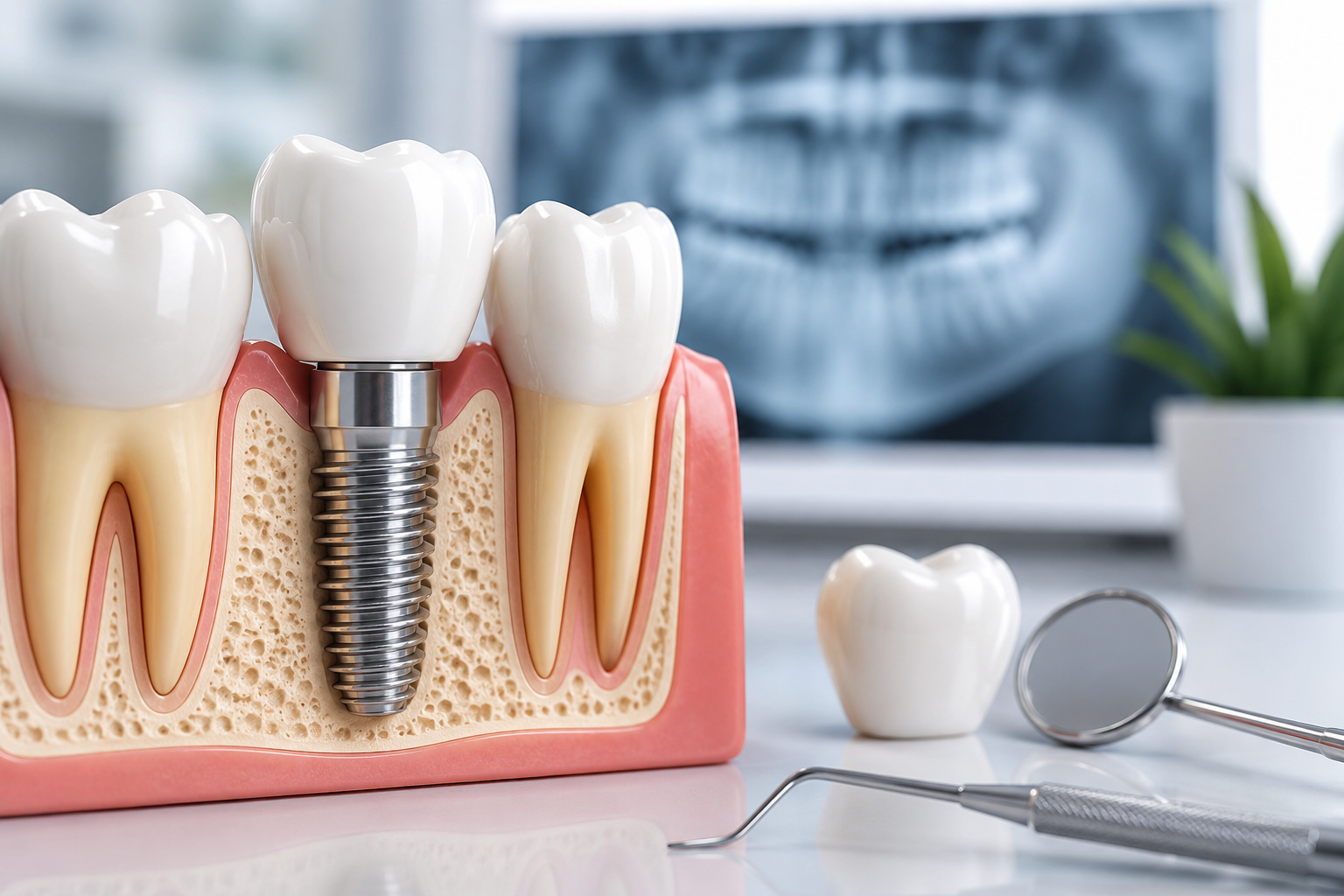
By preserving the natural tooth, root canal therapy avoids the need for extractions and prosthetics like dentures or dental implants. Natural teeth are always preferable to artificial replacements since they maintain the strength, integrity, and functionality of your mouth. Keeping your natural teeth in place ensures that you can continue to chew, speak, and smile with confidence for years to come.
2. Preventing the Spread of Infection
One of the most significant long-term health benefits of root canal therapy is its ability to prevent the spread of infection. When a tooth becomes infected, bacteria can quickly spread to surrounding teeth, the gums, and even other parts of the body. A tooth infection that goes untreated for too long may lead to more serious health issues such as abscesses, gum disease, or even systemic infections like sepsis.
Root canal therapy effectively removes the infection at its source, eliminating the bacteria that caused it. By doing so, the procedure prevents the infection from spreading to other areas of your mouth or body, ensuring a healthier oral environment. This contributes to the long-term health of your remaining teeth and gums, reducing the risk of more extensive dental or medical treatments in the future.
3. Maintaining Jawbone Integrity
When a tooth is extracted, the bone that once supported the tooth root begins to deteriorate. This process is called bone resorption, and it can have serious consequences for your overall oral health. Over time, the loss of jawbone density can cause changes in the shape of your face, lead to further tooth loss, and make it difficult to place dental implants or other restorations in the future.
Root canal therapy helps prevent this by saving the natural tooth and maintaining the stimulation that the bone needs to stay healthy. A tooth that has undergone root canal treatment continues to function normally, providing the necessary pressure and stimulation to the jawbone every time you bite or chew. This is critical for long-term oral health, as it prevents the deterioration of the jawbone and maintains the strength and structure of your facial features.
4. Restoring Function and Comfort
A tooth that requires a root canal often causes significant discomfort due to infection or decay. This pain can interfere with everyday activities like eating, speaking, or even sleeping. One of the most immediate benefits of root canal therapy is the relief it provides. Once the infected pulp is removed, the pain subsides, and the tooth can return to its normal function.
After the root canal is completed and the tooth is restored with a filling or crown, it becomes just as strong and functional as any other natural tooth. This means you can chew, bite, and speak without pain or difficulty. The restoration process also protects the tooth from further damage, ensuring that it remains functional for years to come. Maintaining the natural structure and function of your teeth is essential for long-term oral health, making root canal therapy a valuable treatment option.
5. Reducing the Need for Complex Restorative Treatments
While some may view tooth extraction as a simpler solution to infection or decay, losing a tooth often leads to more complicated and expensive restorative treatments in the future. When a tooth is lost, it creates a gap that can cause neighboring teeth to shift, leading to bite problems, misalignment, and increased wear on other teeth. Additionally, tooth loss may require the placement of dental implants, bridges, or dentures, all of which can be costly and require ongoing maintenance.
Root canal therapy, on the other hand, is a one-time procedure that offers a long-lasting solution to infection or decay. By preserving the natural tooth, it eliminates the need for more extensive restorative treatments and reduces the likelihood of future dental complications. A tooth that has undergone a successful root canal can last a lifetime with proper care, making it a far more cost-effective and health-preserving option in the long run.
Conclusion
Root canal therapy is an essential procedure that plays a crucial role in preserving long-term oral health. By saving the natural tooth, preventing the spread of infection, maintaining jawbone integrity, restoring function, and reducing the need for complex restorations, root canals offer a multitude of benefits that go far beyond the immediate relief from pain and discomfort.
Thanks to modern dental techniques and technologies, root canal therapy has become a more efficient and comfortable procedure, allowing patients to protect their oral health for years to come. If you are facing a tooth infection or severe decay, don’t hesitate to consult your dentist about root canal therapy—your natural tooth and long-term health may depend on it.

Root canal treatment is a main procedure in Endodontics, which is the study of diseases of the tooth’s pulp.
Looking for the root canal therapy specialist or endodontist to remove the nerve of a tooth?
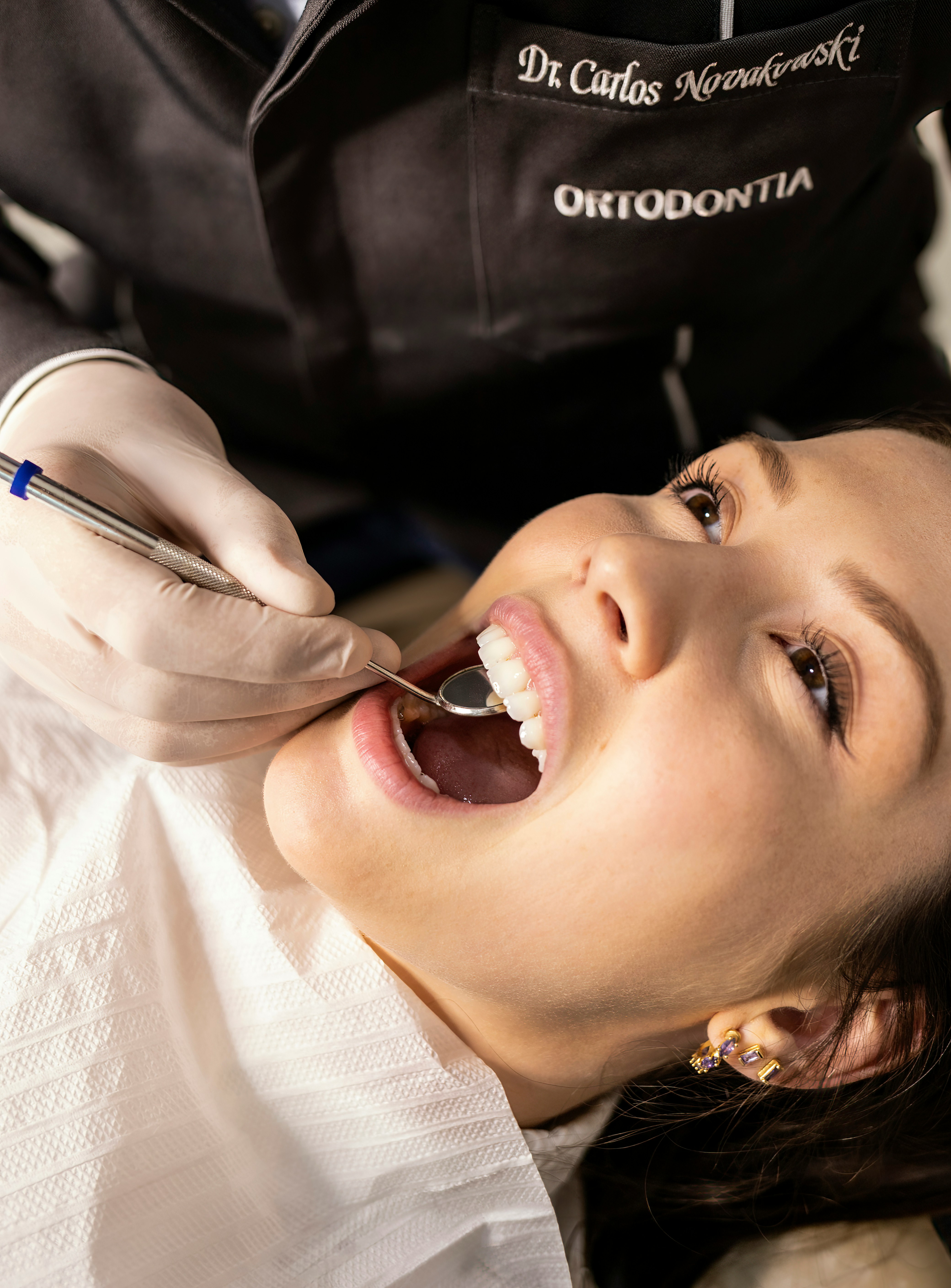
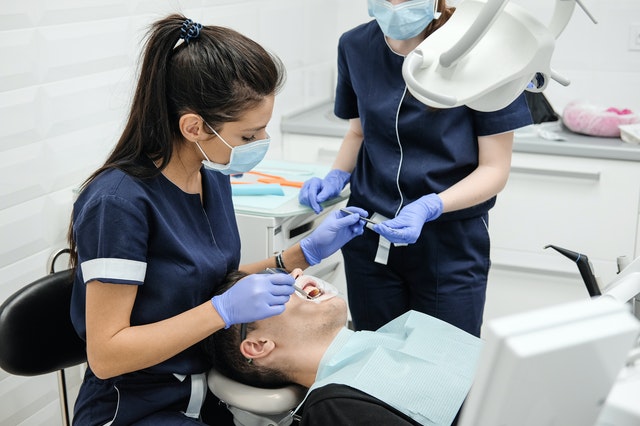
Many advanced dental clinics offer root canal treatment in Perth.
You may come across heaps of ads from dentists claiming their dental services are the best in the area.
They may not be wrong, but how do you know which one is the best option for you?
The only way to know this is by doing thorough research of the best dental clinics and their services.
This can help you select the right place for your dental treatment.Read more