


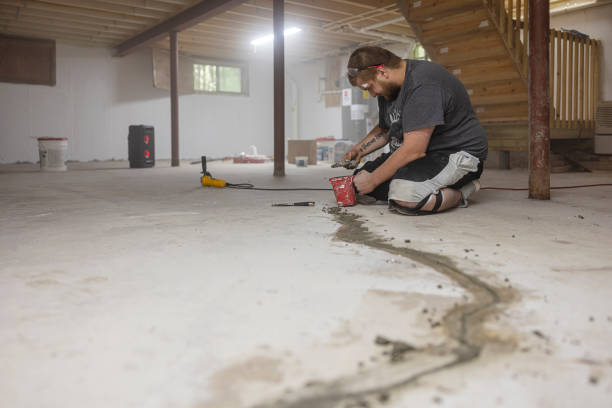
Ensuring that your basement remains dry throughout the year is crucial for maintaining the structural integrity of your home and safeguarding your belongings. A dry basement prevents the growth of mold and mildew, which can pose health risks to you and your family. Additionally, it helps in avoiding costly repairs that may arise from water damage. Below we will explore various tips and tricks to keep your basement dry, regardless of the season.
Identifying Common Sources of Basement Moisture
Before implementing any preventive measures, it is essential to identify the common sources of basement moisture. These can include:
- Groundwater seepage
- Improper grading around the foundation
- Cracks in the foundation walls or floor
- Leaking pipes or plumbing fixtures
- Condensation due to high humidity levels
By understanding the root causes of moisture, you can better address the specific issues affecting your basement.
Weatherproofing Your Basement: Essential Steps
Weatherproofing your basement is a critical step in ensuring it remains dry throughout the year. Here are some essential steps to follow:
- Inspect and Repair Cracks: Regularly inspect your basement walls and floor for any cracks. Seal them using hydraulic cement or epoxy to prevent water from seeping through.
- Install a Sump Pump: A sump pump is an effective tool for removing excess water from your basement. Ensure it is properly installed and maintained to function efficiently.
- Apply Waterproof Coatings: Use waterproof coatings on your basement walls and floor to create a barrier against moisture. Products like waterproof paint or sealants can be highly effective.
- Improve Drainage: Ensure that the grading around your home slopes away from the foundation. This will help direct water away from the basement and reduce the risk of seepage.
Routine Checks and Maintenance for a Dry Basement
Regular maintenance is key to keeping your basement dry. Here are some routine checks and maintenance tasks to consider:
- Gutter and Downspout Maintenance: Clean your gutters and downspouts regularly to prevent clogs. Ensure that downspouts direct water at least six feet away from the foundation.
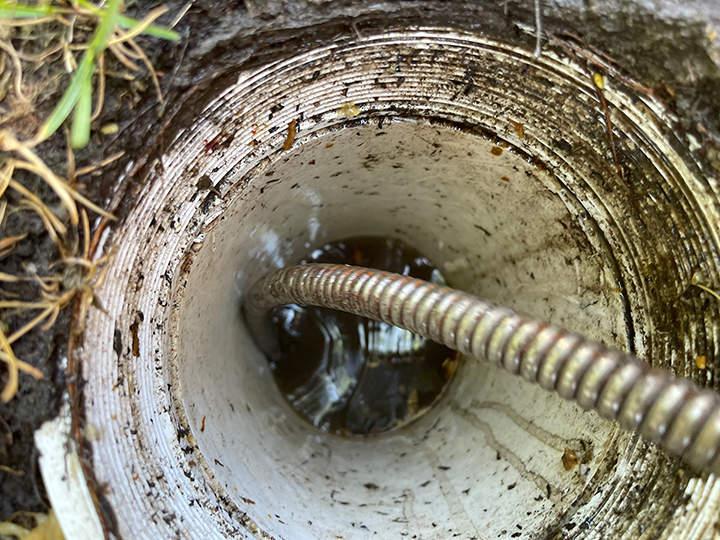
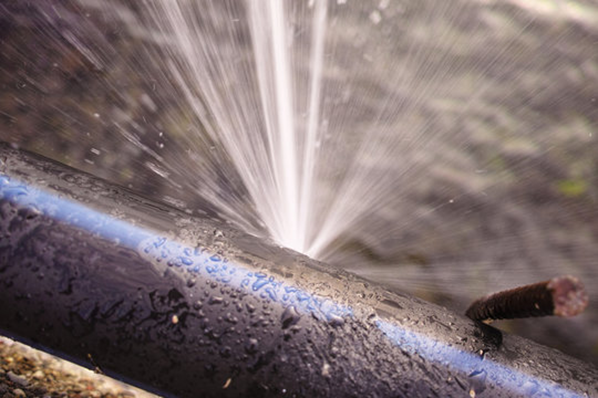
- Check for Plumbing Leaks: Inspect your plumbing system for any leaks or drips. Repair any issues promptly to prevent water from accumulating in the basement.
- Monitor Humidity Levels: Use a dehumidifier to maintain optimal humidity levels in your basement. Aim for a humidity level of around 50% to prevent condensation and mold growth.
- Test Sump Pump Functionality: Periodically test your sump pump to ensure it is working correctly. Consider installing a battery backup system in case of power outages.
Effective Landscaping Techniques to Prevent Basement Moisture
Landscaping plays a significant role in preventing basement moisture. Here are some effective techniques to consider:
- Planting Trees and Shrubs: Plant trees and shrubs with deep root systems around your home. These plants can help absorb excess water and reduce the risk of groundwater seepage.
- Installing French Drains: French drains are trench systems filled with gravel and perforated pipes. They help redirect water away from your foundation, preventing basement moisture.
- Creating Swales: Swales are shallow ditches designed to channel water away from your home. Incorporate swales into your landscaping to improve drainage and reduce the risk of basement moisture.
Implementing Interior Solutions for a Dry Basement
In addition to exterior measures, there are several interior solutions you can implement to keep your basement dry:
- Install Vapor Barriers: Vapor barriers are materials that prevent moisture from passing through walls and floors. Install vapor barriers on basement walls and floors to reduce moisture infiltration.
- Use Desiccants: Desiccants are substances that absorb moisture from the air. Place desiccants in your basement to help control humidity levels and prevent condensation.
- Ensure Proper Ventilation: Proper ventilation is essential for maintaining a dry basement. Use exhaust fans or ventilation systems to improve air circulation and reduce humidity levels.
Professional Services for Basement Waterproofing
While many waterproofing tasks can be done by homeowners, some situations may require professional services. Consider hiring a professional for the following:
- Foundation Repair: If you have significant cracks or structural issues in your foundation, a professional can provide the necessary repairs to ensure stability and prevent moisture infiltration.
- Advanced Waterproofing Systems: Professionals can install advanced waterproofing systems, such as exterior waterproof membranes or interior drainage systems, to provide comprehensive protection against moisture.
- Mold Remediation: If you have extensive mold growth in your basement, a professional mold remediation service can safely remove the mold and prevent future growth.
Seasonal Tips for Maintaining a Dry Basement
Each season presents unique challenges for keeping your basement dry. Here are some seasonal tips to consider:
- Spring: Springtime often brings heavy rains. Ensure your gutters and downspouts are clear, and inspect your sump pump before the rainy season begins.
- Summer: High humidity levels in the summer can lead to condensation. Use a dehumidifier and ensure proper ventilation to maintain optimal humidity levels.
- Fall: Falling leaves can clog gutters and downspouts. Regularly clean them to prevent water buildup around your foundation.
- Winter: Melting snow can cause water to seep into your basement. Ensure proper grading and clear snow away from your home's foundation.
Conclusion: Achieving a Dry Basement All Year Round
Maintaining a dry basement requires a combination of preventive measures, routine maintenance, and sometimes professional intervention. By understanding the common sources of moisture, implementing effective weatherproofing techniques, and performing regular checks, you can ensure that your basement remains dry and free from water damage throughout the year. Remember, a dry basement not only protects your home's structural integrity but also provides a safe and healthy environment for you and your family.


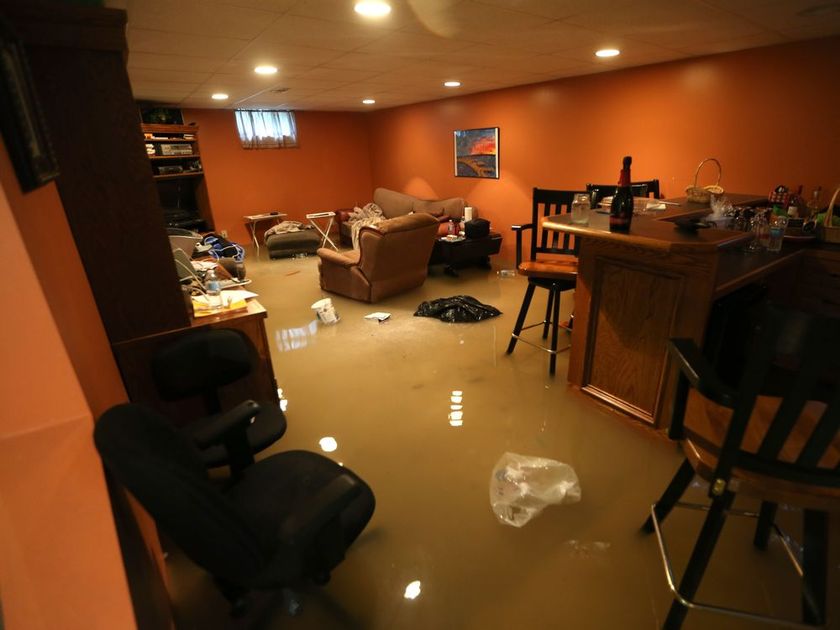
Basement flooding is a significant problem in the United States.
Around 70% of US homeowners deal with basement floods at least once.
Cleaning your home after a basement flood can be a strenuous task, and you may need help from experts who specialize in water damage restoration in Vancouver, BC.
For more info, visit our website.
Flooded Basement Toronto, is a highly-experienced flooded basement restoration company.
If you have a Flooded Basement in Toronto and you do not know who to contact, you can call us today.
Toronto residents have trusted our name for years for all of their flooded basement needs.
Our company was founded to help out our community members whenever disaster strikes.
It can come in many different forms, from a frozen pipe burst, melting snow, to over-flown creeks and rivers or flash flooding from heavy rain thunderstorms.
Our company, Flooded Basement Toronto has the experience and expertise that you want and expect to help you and your family or business deal with any issues that you may experience from flooding emergencies.