
Planting blackberries can be a rewarding experience for any gardener. These hardy plants produce delicious fruit and can add a touch of charm to your garden. But before you get started, there are a few important things to know to ensure your blackberry plants thrive and produce a bountiful harvest. Here’s a straightforward guide to help you prepare for planting blackberries.
Choosing the Right Variety
The first step is to choose the right variety of blackberry. There are many types available, but they generally fall into two categories: thornless and thorny. Thornless varieties, like Doyle's Thornless Blackberry, are popular because they are easier to manage and harvest. Thorny varieties may offer different flavors and yields but can be more challenging to handle. Consider what fits best with your gardening style and needs.
Understanding the Growing Conditions
Blackberries need specific conditions to grow well. They prefer full sun, which means they should get at least 6-8 hours of sunlight each day. If you plant them in a shaded area, they may not produce as much fruit. Blackberries also need well-drained soil. Soil that is too wet can cause root rot and other problems. Before planting, check your soil’s drainage. You might need to amend it with compost or organic matter to improve its structure.
Preparing the Soil
Good soil preparation is crucial for successful blackberry planting. Start by testing your soil’s pH. Blackberries grow best in soil with a pH between 5.5 and 7.0. If your soil is too acidic or too alkaline, you can adjust it with lime or sulfur. Loosen the soil to a depth of about 12 inches to ensure that the roots have space to grow. Mix in plenty of compost to enrich the soil with nutrients.
Planting Blackberries
When planting blackberries, spacing is important. Space the plants about 3-4 feet apart to allow them room to spread. This spacing helps with air circulation and reduces the risk of diseases. Dig a hole that is twice as wide and as deep as the root ball of the plant. Place the plant in the hole, making sure that the crown of the plant is level with the soil surface. Backfill the hole with soil and water it thoroughly.
Watering and Fertilizing
After planting, blackberries need consistent watering to establish their roots. Keep the soil moist but not waterlogged. A layer of mulch around the base of the plants can help retain moisture and keep weeds at bay. As the plants grow, you’ll need to fertilize them to ensure they get the nutrients they need. Use a balanced fertilizer, following the instructions on the package.
Pruning and Training
Pruning and training are essential for healthy blackberry plants and better fruit production. Blackberries grow on canes that need to be managed to keep the plants productive. For thornless varieties, like Doyle's Thornless Blackberry, pruning is simpler. Remove any dead or weak canes and trim back the canes that have finished fruiting. Training the canes on a trellis or support system can help keep them organized and make harvesting easier.
Pest and Disease Management
Blackberries can be susceptible to pests and diseases. Common issues include aphids, spider mites, and fungal diseases. Regularly inspect your plants for signs of pests or diseases. If you notice any problems, address them promptly. You can use organic treatments or consult with a local extension office for advice on managing specific issues.
Harvesting Blackberries
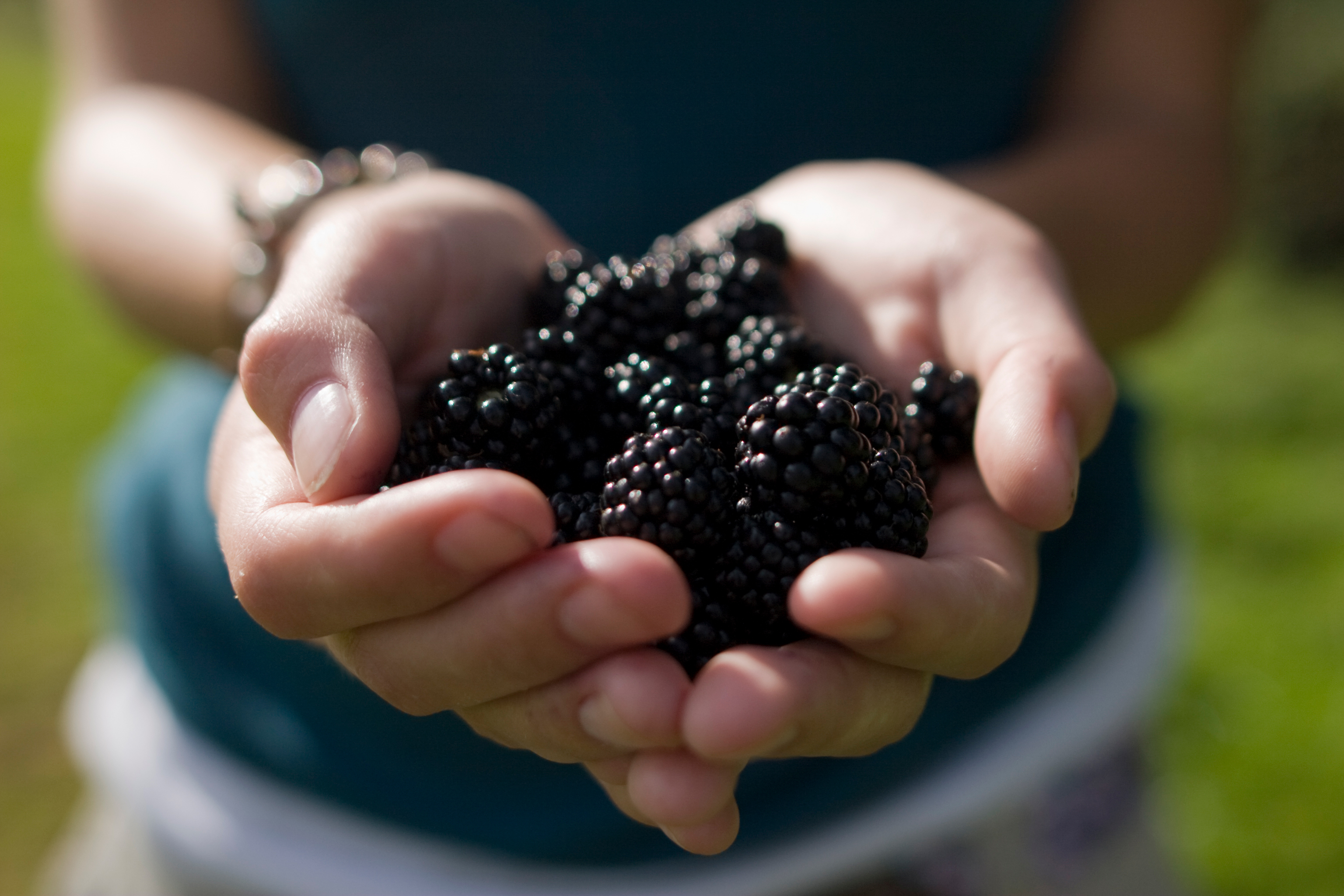
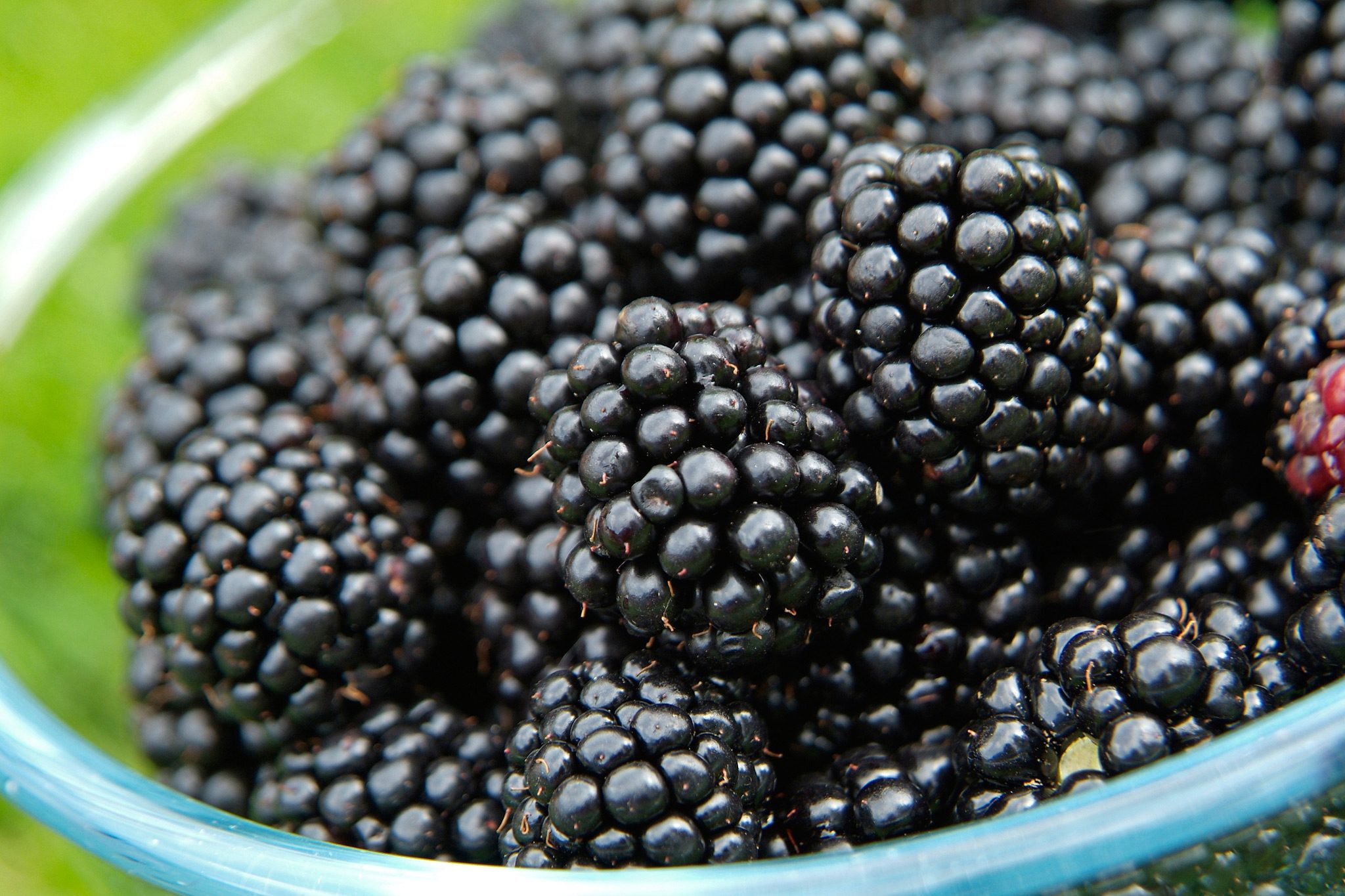
Blackberries are typically ready to harvest when they are fully black and come off the plant easily. The fruit should be plump and juicy. Avoid picking berries that are still red or firm, as they won’t continue to ripen off the plant. Harvesting in the morning when the berries are cool can help them stay fresh longer.
A Final Note
Planting blackberries involves choosing the right variety, preparing the soil, and providing the right care. Thornless varieties, like Doyle's Thornless Blackberry, are a great option for many gardeners because they are easier to manage and harvest. By understanding the growing conditions, properly spacing and planting your blackberries, and maintaining consistent care, you can enjoy a plentiful harvest of sweet and juicy berries.
For those interested in plants with black berries, starting with well-prepared soil and proper plant care will ensure a successful gardening experience and a fruitful yield.



While Polycystic Ovary Disorder (PCOS) is really normal, there are some significant things that ladies need to think about it.
The best thing to do is to be as educated as possible become genuine.