



In today’s competitive e-commerce business, launching a successful product on Amazon can help you build a thriving online business. But the key to that success lies in mastering one crucial skill: Amazon product research.
Whether you're a new entrepreneur or an experienced seller looking to grow, finding profitable products is the first step to building a long-lasting Amazon business.
This guide will explain everything you need to know about Amazon product research, from basic criteria to advanced tools and methods. By the end, you'll know how to find the right product that balances high demand with manageable competition to ensure strong sales and profits.
Why Amazon Product Research Matters
Amazon stands as one of the world’s biggest online marketplaces, with countless sellers and products. Given the fierce competition, launching a product without research often leads to failure.
Product research helps you navigate this packed marketplace by answering key questions:
At its core, solid product research provides a fact-based starting point, cutting risks and enabling you to make smart choices. Though it doesn’t guarantee success, it significantly boosts your chances of finding a niche where you can excel.
Criteria for Picking the Right Product
When you’re sizing up potential products, keep a few things in mind. Here’s a list of the key factors that’ll help you determine if a product is worth your time:
1. Demand and Market Size
You want a product that people are looking for but one that’s not swamped with rivals. A good way to check this is by looking at Amazon’s Best Seller Rank (BSR) for items in your chosen field.
Products with a lower BSR number tend to sell more often. As a rule of thumb, aim for products that fall within a reasonable BSR range — high enough to show strong sales but not so low that you’ll face overwhelming competition.
2. Low Competition
A product in high demand doesn’t help if too many sellers crowd the market. To evaluate competition, count the number of sellers offering similar products. Look at the reviews on top listings; products with thousands of reviews present tougher competition.
On the other hand, a product with moderate demand and fewer competitors might offer a better chance for success.
3. Profit Margins
Your product needs to make money after you pay for production, shipping, Amazon fees, and advertising. A good profit margin should reach at least 30%.
To figure this out, start with the product’s selling price and subtract all related costs. Also, remember to account for possible price cuts or promotions that could eat into your profits.
4. Product Size and Weight
Large, heavy items cost more to ship and store in Amazon’s warehouses, which can cut into your earnings. Go for small, light products that are cheaper to ship. This also reduces the chance of paying too much in fulfillment fees with Amazon FBA (Fulfillment by Amazon).
5. Evergreen vs. Seasonal Products
Some items sell well all year round (evergreen products), while others see sales jumps at certain times (seasonal products). Evergreen products bring in steady money, but well-timed seasonal products can make big profits when demand peaks.
Using Amazon’s Tools to Research Products
Amazon offers a few in-house tools to make your product research easier. The Amazon Best Sellers page stands out as one of the most useful. It lets you check out the top-selling items across different categories.
Also, features like the Amazon Search Bar Auto-Complete can show you popular searches that point to trending products or niches.
The Best Seller Rank is another key number to watch. You’ll find this number on every product listing. It gives you insight into how well a product is selling in its category. However, keep in mind that BSR changes over time. So, it’s better to monitor trends instead of relying on a single snapshot.
External Tools for Amazon Product Research
Amazon provides useful resources, but third-party tools can give you more in-depth knowledge and automate parts of your research. Here’s a look at some popular options:
1.SellerApp
Amazon product research tool that empowers sellers with data-driven insights to optimize their Amazon business. It provides a range of features, such as market analysis, keyword research, competitor tracking, and sales estimations, allowing users to discover high-demand, low-competition products. SellerApp also offers tools for tracking product trends and monitoring listing performance, helping sellers make informed decisions and identify profitable opportunities. By leveraging SellerApp, Amazon sellers can streamline their product research process, improve their listings, and ultimately increase their sales and profitability on the platform.
2. Helium 10
Helium 10 is one of the most comprehensive tools for Amazon sellers. It offers features to research products, track keywords, and calculate profitability.
The Black Box tool allows you to sort through thousands of product ideas. You can filter based on criteria like sales volume, competition, and reviews, which helps you spot potentially lucrative opportunities.
3. Jungle Scout
Jungle Scout is another popular tool for Amazon sellers. It has a robust product research tool that lets you analyze sales data, monitor competitors, and assess market potential.
Jungle Scout’s Amazon Opportunity Finder helps you discover products with low competition and high demand, while the Sales Estimator gives you an idea of how much revenue a product could generate.
4. AMZScout
AMZScout is a more budget-friendly tool that provides detailed data on product performance, including historical sales and revenue trends. Its Product Database allows you to filter through millions of products using criteria like price, reviews, and weight to narrow down your options.
These tools help save time on manual research and boost your confidence when making decisions.
Understanding Customer Reviews and Feedback
One of the best ways to identify potential opportunities is to analyze customer reviews on Amazon. Reviews can offer valuable insights into what customers like and dislike about a product.
This information can help you improve your product or create unique selling points that give you an edge over competitors. For instance, if customers frequently complain about a specific feature (e.g., "The product breaks easily" or "The instructions are confusing"), you can collaborate with manufacturers to fix these issues and market your improved version as the better choice.
Trend Spotting and Seasonal Products
Identifying trends can give you an advantage over competitors. You can track popular products by using Google Trends, industry blogs, and social media platforms. These tools help you spot emerging demand before the market becomes saturated.
Seasonal products can also be highly profitable if you time your entry well. However, they require a different strategy than evergreen products, as you’ll need to manage amazon inventory carefully to avoid excess stock when the season ends.
Avoiding Common Mistakes
While product research can lead to great success, even experienced sellers make common mistakes. Here’s what to avoid:
Conclusion: Taking the First Step Toward Success
Researching Amazon products blends creativity with data-driven strategies. It requires careful analysis, the right tools, and a deep understanding of consumer behavior.
By following the tips in this guide, you’ll be well-prepared to identify products that generate profits, satisfy market demand, and give your Amazon business a strong start.
Take the time to explore, plan, and validate your ideas. This will significantly increase your chances of success on Amazon.

If you are techno-adopter, you may definitely have a basic idea about LinkedIn platform which is used for the purpose to find out the right candidate.
It is the largest business-oriented website for the professionals.
How could linkedin extractor tool be helpful for the business growth?
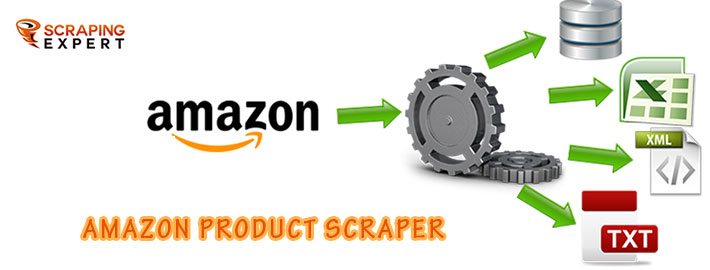
Many ecommerce companies have adopted the idea of using scrapper including amazon product scraper, Flipkart, Facebook scrapper, Yellow Page scrapper, and many more.
Professionally written and published content help you creating online professional brand to help opening opportunities.
At the first place, why should you use LinkedIn for businesses or recruitment process?The first thing to include is, Human resource people and recruiters are actively working & finding the right candidate on LinkedIn.