



In today’s digital landscape, Search Engine Optimization (SEO) plays a pivotal role in determining a business’s online visibility. With the increasing competition among brands striving for top rankings on search engines, the tactics employed to achieve these rankings are diversifying. While many marketers adhere to ethical practices—known as white hat SEO—there exists a contrasting set of techniques referred to as black hat SEO. This article explores the rise of black hat SEO courses in India, the methods taught, the potential risks, and the ethical considerations involved.
Understanding Black Hat SEO
Black hat SEO refers to a collection of unethical practices aimed at manipulating search engine algorithms to achieve quick and often short-lived gains in website ranking. Common black hat techniques include:
- Keyword Stuffing: Excessively using keywords in content to trick search engines into ranking the page higher.
- Cloaking: Presenting different content to search engines than what users see, misleading both.
- Link Farming: Creating a network of websites that link to each other to artificially boost link popularity.
- Content Spamming: Generating large volumes of low-quality content, often through automated tools, to flood search results.
While these techniques can result in short-term ranking boosts, they pose significant risks, including penalties from search engines that can severely harm a website’s credibility and visibility.
The Appeal of Black Hat SEO Courses
Despite the inherent risks, black hat SEO courses are becoming increasingly popular in India for several reasons:
1. Competitive Insight
Understanding the tactics employed by competitors is crucial in the digital marketing landscape. By learning about black hat techniques, marketers can identify and counteract unethical strategies used by rivals. This knowledge can help businesses maintain a competitive edge, particularly in saturated markets.
2. Comprehensive Skill Development
Digital marketers are continually seeking to broaden their skill sets. Gaining insights into both ethical and unethical practices allows professionals to develop a more rounded understanding of SEO. Even if they do not intend to use black hat techniques, knowing how these strategies work can enhance their overall approach to search engine optimization.
3. Growing Digital Landscape
India’s digital marketing sector is experiencing rapid growth, with businesses increasingly seeking to enhance their online presence. As organizations strive for visibility in a crowded marketplace, some professionals are drawn to the potential of black hat techniques as a quick fix, even if it carries significant risks.
Course Structure and Content
Black hat SEO courses typically cover a wide range of topics designed to provide participants with a comprehensive understanding of these controversial methods. Key components often include:
1. Search Engine Algorithms
Courses usually begin with an exploration of how search engines evaluate websites. Understanding the intricacies of search engine algorithms is essential for comprehending how black hat tactics can exploit these systems.
2. Techniques and Tactics
Participants are introduced to various black hat methods, including:
- Link Building Strategies: Techniques for generating backlinks quickly, albeit often at the expense of quality.
- Keyword Manipulation: Strategies for overloading content with targeted keywords to manipulate rankings.
- Cloaking and Content Spamming: Understanding how to present misleading content to search engines and users.
3. Risks and Consequences
One of the most critical aspects of these courses is discussing the potential fallout from employing black hat tactics. Participants learn about:
- Search Engine Penalties: The risk of being penalized or banned from search engine results.
- Reputational Damage: The long-term harm to a brand’s image due to unethical practices.
- Legal Issues: Understanding the possible legal ramifications that can arise from certain black hat strategies.
4. Real-World Case Studies
Analyzing real-life examples of businesses that have engaged in black hat tactics provides valuable insights. Participants can learn from these case studies, understanding the mistakes made and the consequences faced, emphasizing the importance of ethical practices.
5. Ethical Considerations
While the focus may be on black hat strategies, many courses also incorporate discussions about ethics in SEO. Participants are encouraged to weigh the short-term benefits of black hat techniques against their long-term repercussions.
Who Should Consider These Courses?
Black hat SEO courses can be beneficial for a diverse audience, including:
- Digital Marketing Professionals: Those looking to expand their knowledge and skill set.
- SEO Consultants: Professionals advising clients on SEO can gain valuable insights into black hat tactics.
- Competitive Analysts: Market analysts can benefit from understanding black hat techniques to monitor competitor strategies effectively.
- Students and Beginners: Newcomers to digital marketing may find these courses helpful for a foundational understanding of SEO, although they should be cautious about the practical application of black hat methods.
Ethical Considerations
Engaging in black hat SEO practices can lead to significant repercussions. While these courses provide valuable insights, participants must carefully consider the ethical implications of their choices. Some potential consequences include:
- Reputational Damage: Companies may suffer backlash from customers and peers if unethical practices are exposed.
- Decreased Traffic: Penalties can lead to diminished visibility and traffic, adversely affecting business performance.
- Legal Ramifications: Certain black hat techniques can expose businesses to legal challenges, potentially resulting in costly lawsuits.
As digital marketing evolves, there is a growing emphasis on ethical practices. Professionals are increasingly encouraged to prioritize sustainable, white hat strategies that contribute to long-term success.
Conclusion
Black hat SEO courses in India offer a window into tactics that manipulate search engine algorithms. While understanding these methods can enhance a digital marketer’s toolkit, it is essential to approach the subject with a clear understanding of the associated risks and ethical considerations. As the industry continues to progress, the focus is shifting toward sustainable and ethical practices that yield long-term benefits for both businesses and their audiences. Ultimately, knowledge of black hat SEO should serve as a means to promote better practices and responsible decision-making within the digital marketing realm


Are you looking for Online Business promotors ?
Here is the list of top 10 SEO service provider in Ahmedabad
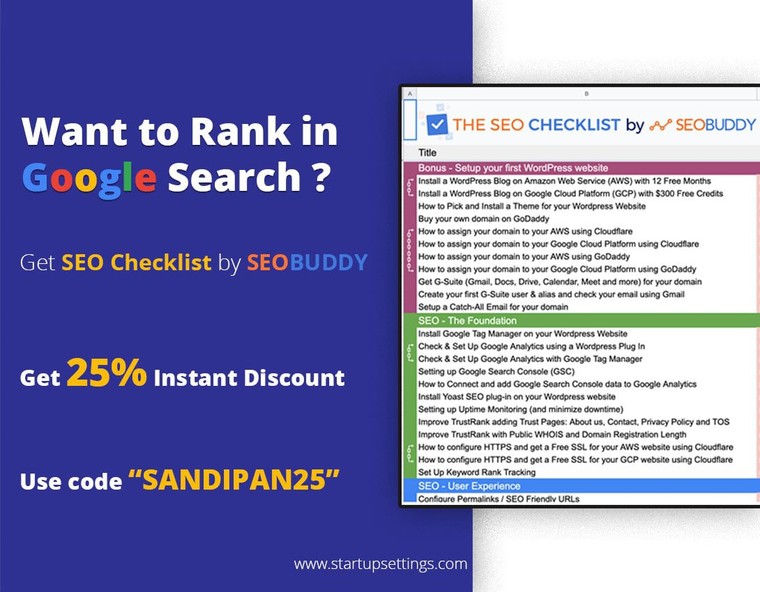
SEO checklist by SEO Buddy, SEO Checklist, Free SEO Checklist,Ultimate SEO Checklist by SEO Buddy (2021).
Get rank in Google search result.
If you are serious about SEO, you need this.
Also, get a 25% discount.
Grab it now.Free SEO Checklist,https://startupsettings.com/seo-checklist-by-seo-buddy/

Hiring an SEO agency for your business's SEO needs is essential.
But before you can do this, you need to make sure that you are hiring the best SEO expert you can find.
Many people believe they are experts in SEO, but they don't know as much as they advertise.
You need to ensure that you only hire the best SEO experts you can find.
Many years of experience in SEO.
Experience is more important than knowledge about search engine optimization.Click to find out more