

Essential Foods to Lower Cholesterol
Incorporating the right foods into your diet is crucial for lowering cholesterol levels and promoting heart health. Foods rich in soluble fiber, such as oats, beans, and lentils, help reduce the absorption of cholesterol into your bloodstream. Omega-3 fatty acids, found in fatty fish like salmon and mackerel, can lower triglycerides and improve overall heart health. Additionally, nuts like almonds and walnuts are excellent sources of healthy fats that can help lower LDL (bad) cholesterol levels.
Heart Healthy Meals for Everyday Living
Creating heart healthy meals doesn't have to be complicated. Start your day with a bowl of oatmeal topped with fresh fruit and a sprinkle of nuts for a fiber-rich breakfast. For lunch, enjoy a salad packed with leafy greens, colorful vegetables, and a serving of grilled salmon or chicken. Dinner can be a hearty vegetable stir-fry with tofu or a quinoa and black bean bowl. Incorporating a variety of fruits, vegetables, whole grains, and lean proteins into your meals ensures that you are getting the nutrients needed to support heart health.
Understanding the Low Cholesterol Diet
A low cholesterol diet focuses on reducing the intake of saturated fats and trans fats, which are known to raise cholesterol levels. Instead, opt for healthy fats found in olive oil, avocados, and fatty fish. Choose whole grains over refined grains, and increase your intake of fruits and vegetables. Limiting red meat and opting for lean protein sources like poultry, fish, and legumes can also help manage cholesterol levels. By making these dietary changes, you can significantly improve your heart health and lower your risk of cardiovascular diseases.
Top Cholesterol Lowering Foods to Include in Your Diet
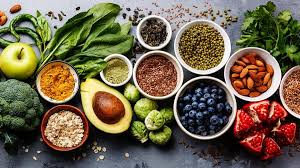
Several foods are particularly effective at lowering cholesterol levels. Oats and barley contain beta-glucan, a type of soluble fiber that helps reduce LDL cholesterol. Fatty fish, such as salmon, mackerel, and sardines, are rich in omega-3 fatty acids that promote heart health. Nuts, especially almonds and walnuts, provide healthy fats and plant sterols that help lower cholesterol. Additionally, fruits like apples, grapes, strawberries, and citrus fruits contain pectin, another form of soluble fiber that can help reduce cholesterol levels.
Creating a Heart Healthy Diet Plan
Developing a heart healthy diet plan involves making mindful choices about the foods you eat. Start by incorporating more fruits and vegetables into your meals, aiming for at least five servings a day. Choose whole grains like brown rice, quinoa, and whole wheat bread over refined grains. Include lean protein sources such as fish, poultry, beans, and legumes. Limit your intake of saturated fats and trans fats by choosing healthier fats like those found in olive oil, nuts, and avocados. By following these guidelines, you can create a balanced diet that supports optimal heart health.
Maintaining Optimal Cholesterol Levels
Maintaining optimal cholesterol levels is essential for reducing the risk of heart disease. Regular physical activity, such as brisk walking, jogging, or cycling, can help raise HDL (good) cholesterol and lower LDL cholesterol. Avoid smoking and limit alcohol consumption, as these habits can negatively impact cholesterol levels. Regular check-ups with your healthcare provider can help monitor your cholesterol levels and make necessary adjustments to your diet and lifestyle. By taking proactive steps, you can achieve and maintain healthy cholesterol levels.
Delicious Low Cholesterol Recipes to Try
Enjoying delicious meals while following a low cholesterol diet is entirely possible. Start with a refreshing smoothie made with spinach, banana, and almond milk for a nutritious breakfast. For lunch, try a Mediterranean quinoa salad with chickpeas, cucumbers, tomatoes, and a drizzle of olive oil. Dinner can be a flavorful grilled salmon with a side of roasted Brussels sprouts and sweet potatoes. By experimenting with different ingredients and recipes, you can create tasty meals that support your heart health goals.
Foods for Heart Health: What to Eat and What to Avoid
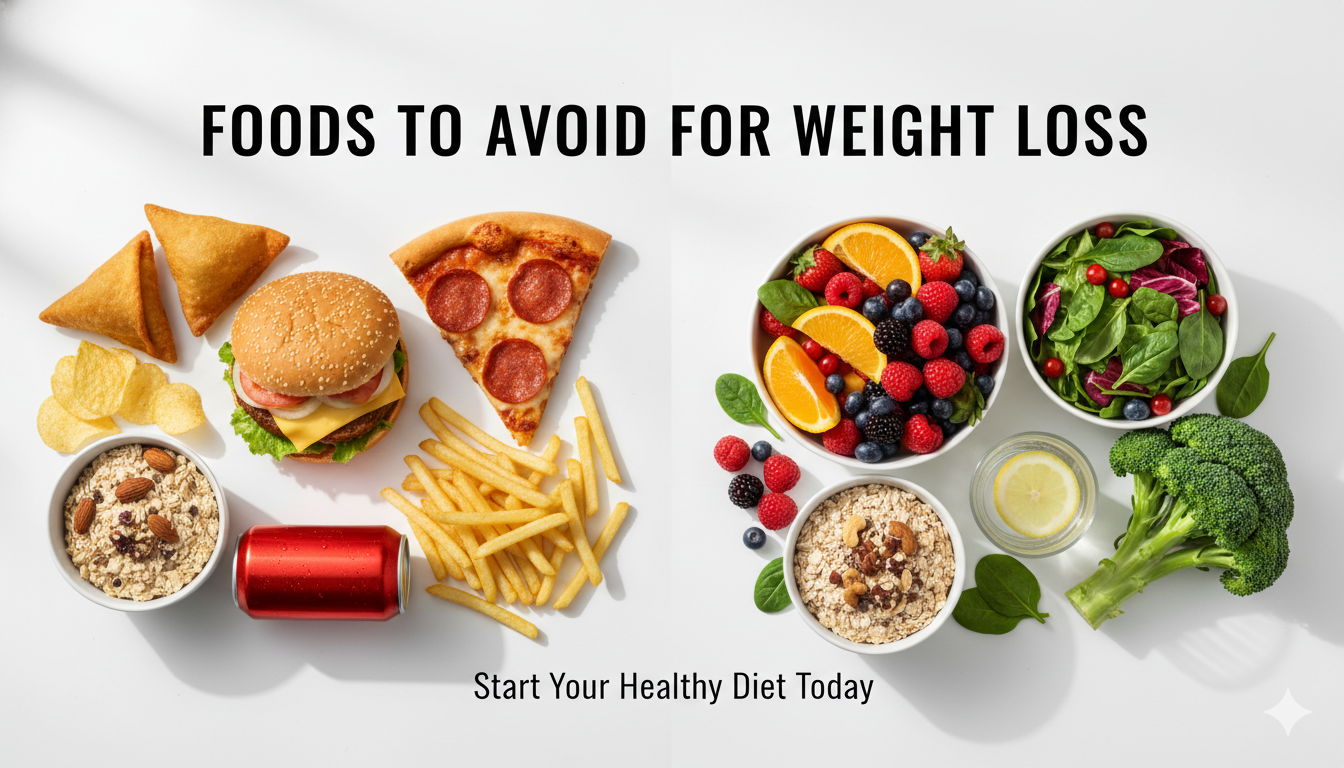
To promote heart health, focus on consuming foods that are rich in nutrients and low in unhealthy fats. Include plenty of fruits, vegetables, whole grains, and lean proteins in your diet. Avoid foods high in saturated fats and trans fats, such as fried foods, processed snacks, and fatty cuts of meat. Instead, choose healthier options like olive oil, nuts, and fatty fish. By making these dietary adjustments, you can support your heart health and reduce the risk of cardiovascular diseases.