





Introduction
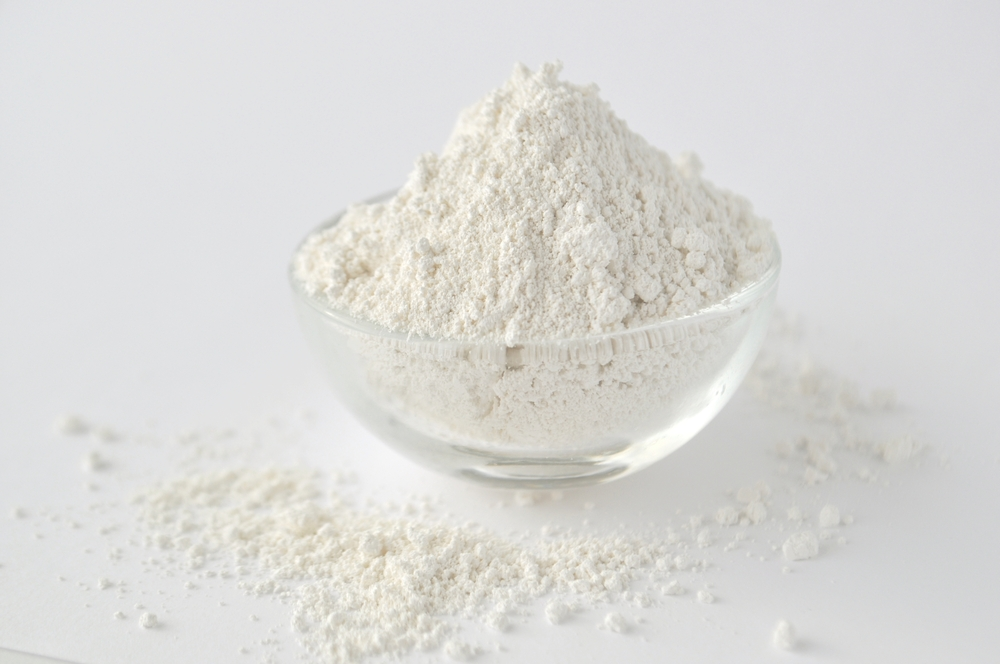
Kaolinite clay mineral is one of the most abundant and versatile clay minerals found on Earth. It has been used for thousands of years, from pottery in ancient civilizations to modern industrial applications. Its unique chemical composition and physical properties make it suitable for a wide variety of uses, including in ceramics, paper production, cosmetics, and medicine. Understanding the science behind kaolinite clay mineral helps us appreciate its value in multiple industries, as well as its role in sustainable development.
In this article, we’ll delve into the mineral composition of kaolinite clay, its formation, and its various applications. We’ll also highlight the contributions of mining companies like The Sharad Group, which specializes in the extraction and refinement of kaolinite clay, ensuring that industries worldwide have access to this valuable mineral. Additionally, we will explore various kaolin applications that demonstrate the mineral's diverse uses.
The Mineral Composition of Kaolinite Clay
Kaolinite clay mineral is part of the kaolin group of minerals, which are primarily aluminum silicate minerals with the chemical formula Al₂Si₂O₅(OH)₄. The structure of kaolinite consists of alternating layers of silica tetrahedra and aluminum octahedra, making it chemically stable and highly resistant to heat. This structural arrangement gives it unique properties such as plasticity, low shrink-swell capacity, and excellent thermal resistance.
Crystal Structure and Properties
The layered structure of kaolinite clay contributes to its softness and its ability to disperse in water, making it an ideal material for many applications. The mineral is also relatively non-reactive due to its stable structure, which is one reason why it's used in sensitive products like pharmaceuticals and cosmetics.
The particle size of kaolinite is typically very fine, often in the submicron range, which enhances its smoothness when used in ceramics or paper. Its whiteness is also an important feature, making it a preferred material in industries that require high-purity materials.
Formation and Occurrence of Kaolinite
Kaolinite clay mineral is formed by the weathering of aluminum-rich minerals like feldspar under acidic conditions. This weathering process takes place over thousands to millions of years, and it can occur in both tropical and temperate climates. Kaolinite deposits are often found near the Earth's surface, which makes them relatively easy to mine.
One of the largest and most significant kaolinite clay mineral deposits is located in the southeastern United States, particularly in Georgia. These deposits have been mined for centuries and continue to be a major source of kaolinite for industries worldwide. Other significant deposits are found in countries like China, Brazil, and the United Kingdom.
Mining and Extraction
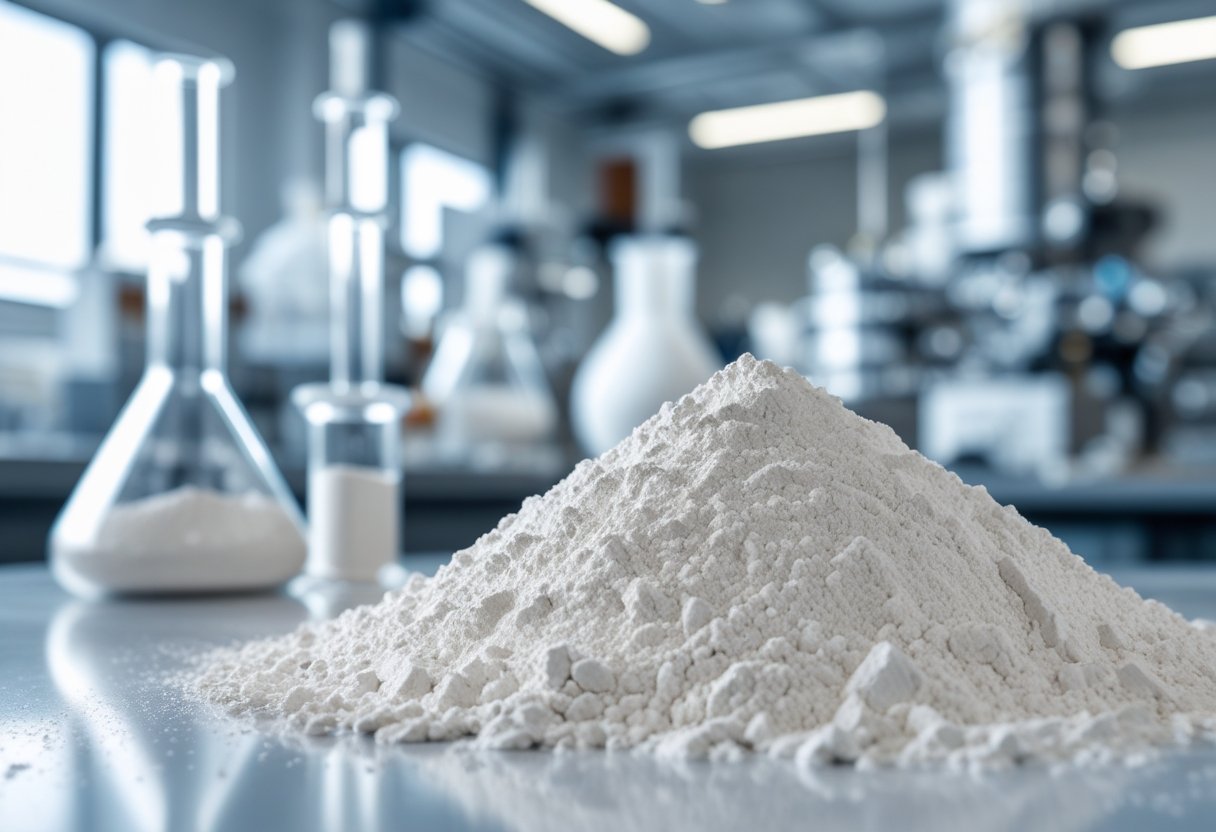
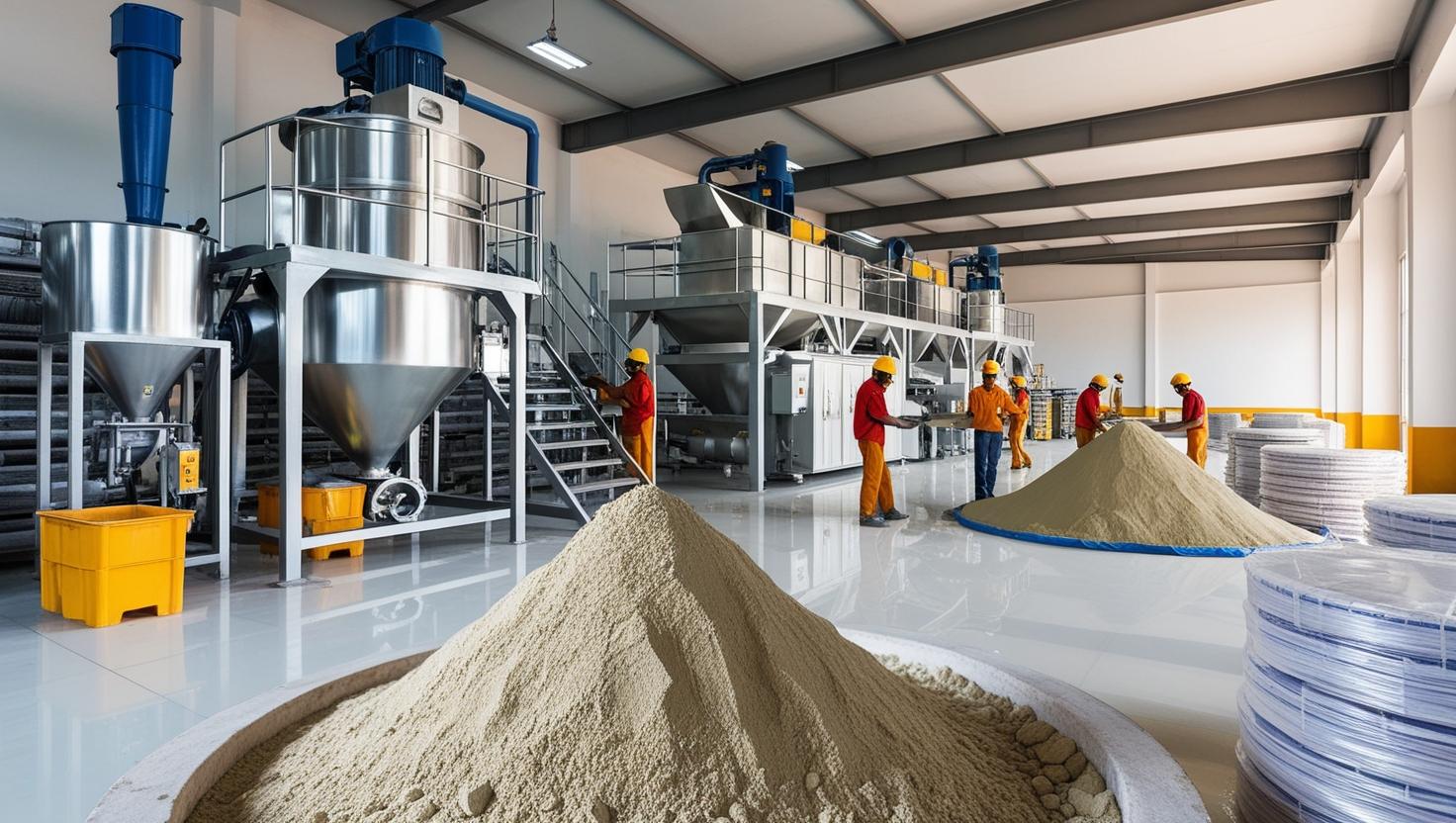
Mining companies like The Sharad Group play a critical role in the extraction and refinement of kaolinite clay mineral. We as a mineral mining company known for its sustainable and ethical mining practices. By utilizing advanced technology, we ensures that kaolinite deposits are extracted with minimal environmental impact. The company also focuses on refining and purifying the clay to meet the high standards required by industries that rely on kaolin applications.
The mining process involves open-pit mining, where the top layer of soil is removed to expose the clay deposit. The extracted clay is then processed to remove impurities, and it undergoes several stages of refinement, depending on the intended use. We also focuses on reclamation, ensuring that mined land is restored to its natural state after extraction.
Uses and Applications of Kaolinite Clay
The versatility of kaolinite clay mineral is reflected in the wide range of industries that use it. From ceramics to paper production, and even cosmetics, the mineral's unique properties make it a highly sought-after material. Here are some of the most notable kaolin applications:
1. Ceramics
One of the most well-known kaolin applications is in the production of ceramics. Kaolinite clay is a key ingredient in porcelain and other high-quality ceramics due to its plasticity, whiteness, and resistance to heat. When fired at high temperatures, kaolinite becomes hard and durable, making it ideal for products such as tiles, sanitaryware, and dinnerware.
The fine particle size of kaolinite clay mineral also allows for smooth surfaces in ceramic products, contributing to the high aesthetic value of finished goods. In addition, kaolinite's ability to withstand high temperatures without cracking makes it essential for use in refractory products.
2. Paper Industry
The paper industry is another major consumer of kaolinite clay. In this context, kaolin applications include its use as a filler and coating material. When used as a filler, kaolinite clay mineral improves the opacity, brightness, and printability of paper, making it ideal for high-quality printing papers.
When used as a coating, kaolinite enhances the smoothness of the paper's surface, which allows for better ink absorption and higher-quality printing. The clay's fine particle size and high brightness make it a crucial material in the production of glossy magazines, fine writing paper, and packaging materials.
3. Cosmetics and Pharmaceuticals
The non-reactive and hypoallergenic nature of kaolinite clay mineral makes it a popular ingredient in skincare and cosmetic products. Kaolin applications in this industry include its use in facial masks, exfoliants, and cleansers. The fine particles of kaolinite gently remove impurities from the skin without causing irritation, making it suitable for sensitive skin types.
In pharmaceuticals, kaolinite clay is used as an inactive ingredient in medicinal tablets and as a soothing agent for gastrointestinal issues. Its ability to absorb toxins and bacteria makes it a valuable material in these applications.
4. Paint and Coatings
In the paint industry, kaolinite clay mineral is used as an extender to reduce the cost of paint production while maintaining the desired quality. Kaolin applications in paints include enhancing the paint's opacity, brightness, and smooth texture. It also improves the paint's durability and resistance to weathering, making it suitable for both indoor and outdoor use.
5. Rubber and Plastics
Kaolinite clay mineral is also used as a filler in the rubber and plastics industries. In rubber production, kaolin applications include improving the durability and flexibility of the material. The clay enhances the rubber's resistance to abrasion and adds strength to the final product.
In plastics, kaolinite clay improves the mechanical properties of the material, making it more resistant to heat and chemicals. It is often used in the production of automotive parts, packaging materials, and household goods.
6. Environmental Applications
One of the lesser-known but highly important kaolin applications is its use in environmental protection. Kaolinite clay mineral is used in the treatment of wastewater, where it helps to remove heavy metals and other pollutants. The clay's adsorption properties make it an effective material for purifying water and air.
Additionally, kaolinite clay is used in soil remediation to remove contaminants from polluted sites. Its ability to bind with toxic substances makes it a valuable tool in environmental cleanup efforts.
The Role of The Sharad Group in the Kaolinite Industry
As a leading mineral mining company, The Sharad Group has played a pivotal role in ensuring the availability of high-quality kaolinite clay mineral for various industries. With a focus on sustainable mining practices, we have contributed to minimizing the environmental impact of kaolinite extraction. The company also invests in research and development to improve the refinement processes, ensuring that the kaolin applications meet the ever-evolving needs of the market.
By prioritizing the sustainability and efficiency of their operations, The Sharad Group ensures that industries relying on kaolinite clay can continue to benefit from this versatile mineral without compromising the environment.
Conclusion
The science behind kaolinite clay mineral is both fascinating and essential to understanding its broad range of uses. From its stable chemical composition and unique physical properties to its formation through natural weathering processes, kaolinite continues to be a critical resource for numerous industries.
With mining companies like The Sharad Group leading the way in sustainable extraction and refinement practices, the future of kaolinite clay looks promising. Whether it's in ceramics, paper, cosmetics, or environmental applications, kaolin applications are vast and diverse, proving the importance of this humble yet powerful mineral.
As industries continue to innovate, kaolinite clay mineral will remain a cornerstone of modern technology, manufacturing, and environmental sustainability.

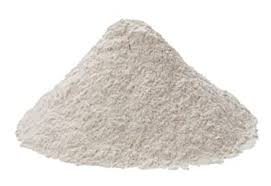

Mamaearth Face Mask absorbs all pollutants from the skin and leaves it shining.
It reduces pigmentation, exfoliates dead skin cells, lightens dark spots, brightens, and tightens the skin.
It contains Kaolin clay, which heals acne and keeps it at bay, as well as bentonite clay, which treats scars.
You can buy the valuable product so you can visit us online pharmacy delivery.
For More Information You Can Click Here:- https://www.tabletshablet.com/product-category/mamaearth-sale/