



The digital landscape is evolving unprecedentedly, presenting exciting opportunities and complex challenges for educational startups. As we embrace innovative learning tools, ensuring privacy, security, and educational value for students has never been more critical. Browsers now serve as gateways to the online world, influencing how educational platforms protect sensitive student data and foster secure learning environments.
For startups in the EdTech space, prioritizing privacy and security is not just a regulatory requirement; it's essential for building trust with parents and educators. By understanding how browsers shape these elements, educational entrepreneurs can create effective and safe digital experiences that benefit the next generation of learners.
The Changing Role of Browsers in EdTech
In recent years, browsers have transformed into vital tools for education. They now serve as the primary access point for cloud-based learning and digital classrooms, enabling students and teachers to engage with interactive content, collaborate in real-time, and explore resources from anywhere. This shift has made it vulnerable to online threats.
As educational platforms increasingly rely on browsers, ensuring a secure online environment is paramount. Parents and educators need to know that the tools their students use can protect against inappropriate content and security risks. By focusing on safe browsing practices, educational startups can create enriching experiences prioritizing learning and safety, laying a strong foundation for the digital education landscape.
Privacy Concerns: Protecting Student Data
Data privacy is a critical concern for educational startups, particularly when it comes to protecting student information. Compliance with regulations like the Family Educational Rights and Privacy Act (FERPA) and the Children's Online Privacy Protection Act (COPPA) adds complexity to this challenge. Startups must navigate these laws to ensure they handle sensitive data responsibly and ethically.
Browsers play a significant role in safeguarding this information. They can implement features such as data encryption and secure user authentication, helping to protect students' personal details from unauthorized access. Many modern browsers offer built-in privacy tools that block tracking and prevent data breaches, essential for creating a secure online learning environment.
Several browsers have made strides in enhancing data privacy. For instance, Mozilla Firefox offers a range of privacy settings, including Enhanced Tracking Protection, which actively blocks trackers and third-party cookies. Similarly, Brave Browser prioritizes user privacy by blocking ads and trackers by default, giving users greater control over their data.
AstroSafe exemplifies this commitment to student privacy. Designed specifically for young learners, it features strict content filtering, ensuring students only access age-appropriate material. Additionally, AstroSafe does not track user behavior or sell data, allowing parents and educators to feel confident that their children's information is protected. This focus on privacy aligns with regulatory requirements and fosters trust among users and their families.
Security Threats Facing Educational Startups
Educational startups face various cybersecurity threats that can compromise the safety of their users. Common risks include phishing attacks, malware infections, and data breaches, which can disrupt learning and put sensitive information at risk. These threats not only jeopardize the integrity of educational platforms but also undermine the trust of parents and educators.
Browsers are essential in creating secure online environments for students. They provide features such as secure logins, which ensure that only authorized users can access sensitive information. Encryption protects data in transit, making it unreadable to potential interceptors. Additionally, two-factor authentication adds an extra layer of security, requiring users to verify their identity through a secondary method, such as a text message or authentication app.
AstroSafe integrates these security measures to safeguard young learners effectively. Its browser actively blocks harmful websites and phishing attempts, preventing students from encountering online dangers. By prioritizing a safe browsing experience, AstroSafe ensures that students can explore educational resources without fearing malware or unwanted intrusions. This commitment to security protects student data and fosters a positive learning environment where educators and parents can feel confident in the digital tools being used.
Features That Enhance Learning Experiences
Browsers have become essential platforms for adaptive learning technologies, allowing educational startups to offer personalized learning experiences. Various browser extensions and web applications enable educators to tailor content to meet individual student needs. These tools help facilitate a more engaging learning process by adapting to students’ unique learning paces and styles.
Startups can leverage browsers to enhance accessibility and interactivity in learning. For instance, audio-visual tools can enrich lessons by incorporating videos, animations, and interactive quizzes. Real-time collaboration features, such as shared documents and group chat options, empower students to work together, fostering teamwork and communication skills.
Several browser tools integrate seamlessly into educational platforms to enhance the learning experience. Google Classroom provides educators with a user-friendly interface for managing assignments and tracking student progress, while Kahoot! Allows for interactive quizzes that promote engagement and retention. Tools like Grammarly help students improve their writing skills by providing real-time feedback as they compose their work.
Using these browser-based technologies, educational startups can create dynamic, interactive learning environments that engage students and support their academic growth. This approach enhances the learning experience and prepares students for the collaborative nature of the digital world.
Emerging Trends That Will Shape EdTech
As technology continues to evolve, browsers will play a crucial role in the future of education. Predictive technologies, artificial intelligence (AI), and machine learning are increasingly integrated into browser functionalities, enabling more personalized and adaptive learning experiences. These innovations can analyze student behavior and preferences, tailoring educational content to suit individual needs and enhancing engagement.
Another significant trend is the rise of privacy-first browsers. Educators and parents are becoming more aware of data privacy issues, leading to a growing demand for browsers to prioritize user security. These privacy-centric options limit tracking and data collection, making users feel safer navigating educational resources.
Startups can stay ahead of these trends by building or aligning with browsers that emphasize privacy and security. This approach meets regulatory requirements and fosters a strong sense of trust in the educational tools being used.
Embracing these emerging trends will enable educational startups to create more effective, secure, and engaging learning environments that adapt to the needs of the digital age.
The Future of Browsers in Education
Choosing the right browser is crucial for educational startups striving to align with the values of privacy, security, and effective learning. The right tools can protect student data while providing a safe and engaging environment for exploration and growth.
Startups should explore innovative browsers like AstroSafe, which prioritize these essential elements. By making informed choices, educators can ensure a positive and secure learning experience for students, fostering trust and confidence in the digital tools that shape their educational journeys.





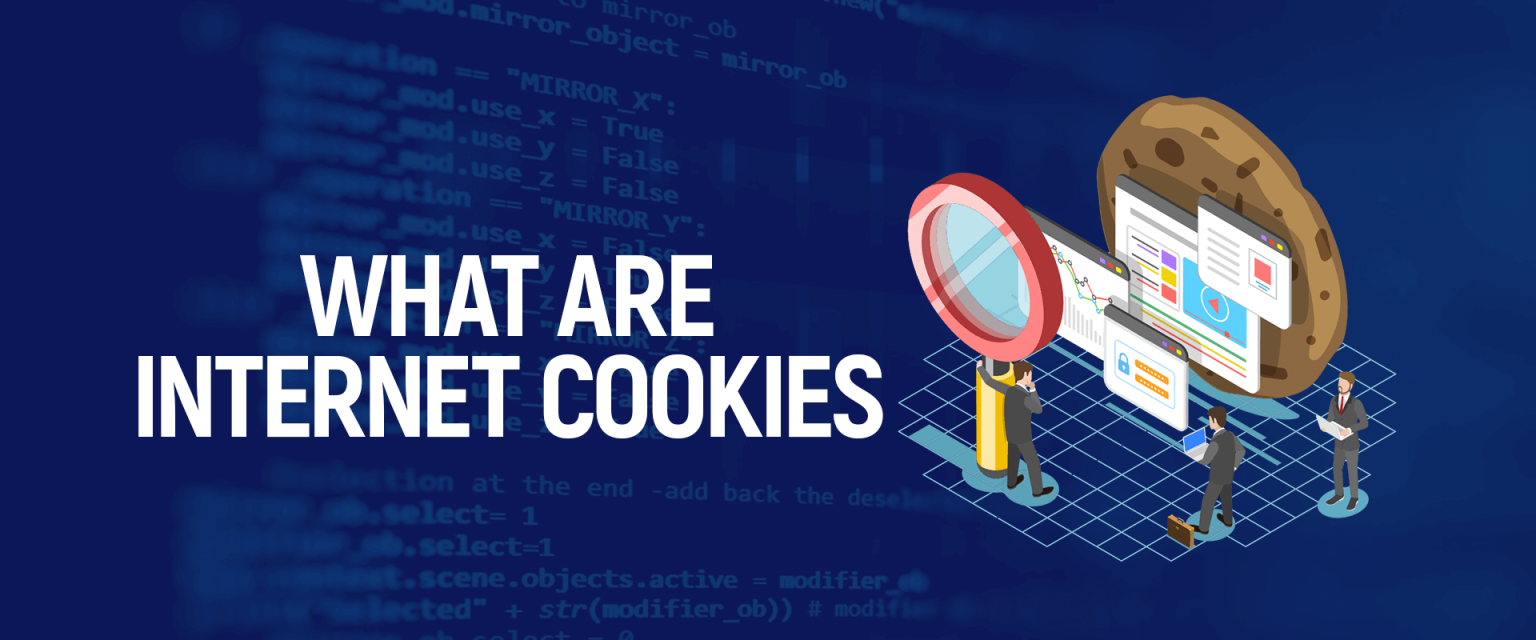
If you are still unaware of internet cookies, then this guide will be helpful for you.
You will come to know every key thing about the internet or web browser cookies.The text above is a summary, you can read the full article here.