Introduction to Horse Transportation in California
Transporting horses in California requires careful planning and consideration to ensure the safety and comfort of your equine companions. Whether you are moving your horse to a new home, taking them to a competition, or simply relocating for better pasture, understanding the various options available for horse transportation is crucial. This comprehensive guide will help you navigate the intricacies of horse transportation in California, covering everything from trailer types to professional services.
Types of Horse Trailers: Understanding Your Options
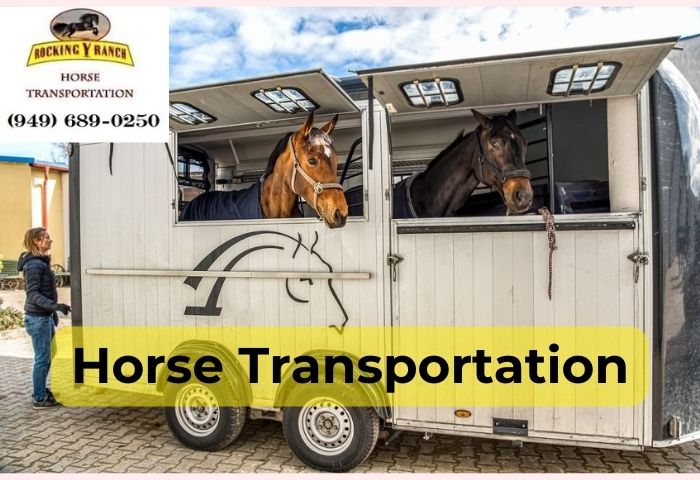
When it comes to transporting horses, there are several types of trailers to choose from. Each type has its own set of advantages and disadvantages, so it's important to select the one that best meets your needs and the needs of your horse.
- Stock Trailers: These open-sided trailers provide ample ventilation and are suitable for short-distance travel. They are budget-friendly and can accommodate multiple horses.
- Slant Load Trailers: These trailers allow horses to stand at an angle, which can be more comfortable for them during travel. They often come with dividers to keep horses separated and secure.
- Straight Load Trailers: In these trailers, horses stand facing forward. They are typically easier to load and unload and are suitable for horses that prefer traveling in a straight line.
- Gooseneck Trailers: These trailers attach to a hitch in the bed of a pickup truck, providing greater stability and a smoother ride. They are ideal for long-distance travel and can accommodate larger horses.
Selecting the Right Trailer for Your Horse: Key Considerations
Choosing the right trailer for your horse involves considering several factors, including the size and temperament of your horse, the distance of travel, and your budget. Here are some key considerations:
- Size and Space: Ensure the trailer provides enough space for your horse to stand comfortably and move slightly. Measure your horse's height, length, and width to find a suitable trailer.
- Ventilation: Proper ventilation is essential to keep your horse cool and comfortable during travel. Look for trailers with adequate windows and vents.
- Safety Features: Check for safety features such as sturdy dividers, secure latches, and non-slip flooring. These features help prevent injuries during transportation.
- Ease of Loading: Some horses may be hesitant to enter a trailer. Choose a trailer with a design that makes loading and unloading as stress-free as possible.
Preparing Your Horse for Transportation: Essential Steps
Proper preparation is key to ensuring a smooth and stress-free journey for your horse. Here are some steps to take before transporting your horse:
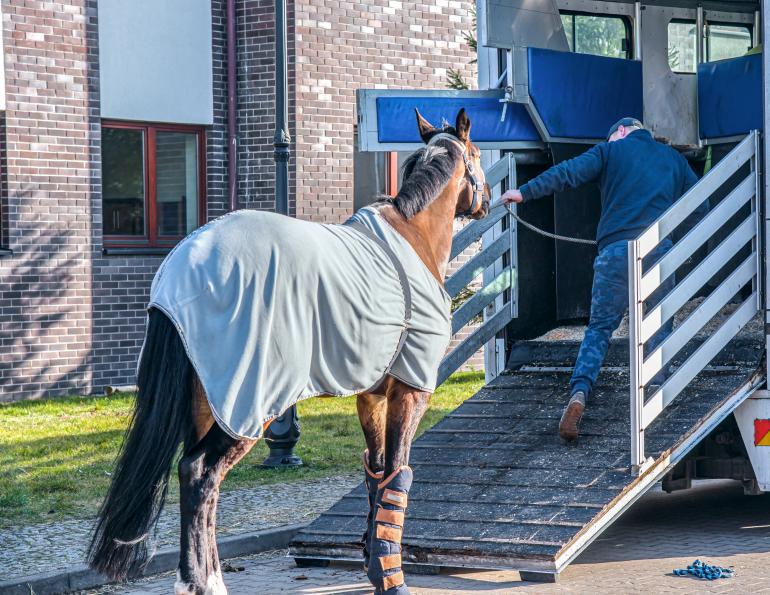
- Acclimate Your Horse: If your horse is not used to being transported, gradually acclimate them to the trailer. Allow them to explore the trailer and practice loading and unloading.
- Health Check: Schedule a veterinary check-up to ensure your horse is in good health and up-to-date on vaccinations. Address any health concerns before the trip.
- Hydration and Feeding: Ensure your horse is well-hydrated and has access to water during the journey. Avoid feeding your horse a large meal right before travel to prevent digestive issues.
- Protective Gear: Use protective gear such as leg wraps and head bumpers to prevent injuries during transportation. Ensure the gear fits properly and does not cause discomfort.
Hiring Professional Horse Transportation Services: What to Look For
If you prefer to leave the transportation to the experts, hiring professional horse transportation services is a viable option. Professional transporters have the experience and equipment needed to ensure a safe and comfortable journey for your horse. Here are some tips for choosing the right service:
- Research and Reviews: Look for reputable transportation companies with positive reviews and testimonials. Ask for recommendations from fellow horse owners or your veterinarian.
- Experience and Credentials: Ensure the company has experience in transporting horses and holds the necessary licenses and insurance. Experienced transporters are better equipped to handle any challenges that may arise.
- Communication: Choose a company that maintains clear and open communication throughout the transportation process. They should provide updates and be responsive to any questions or concerns.
- Cost and Services: Compare prices and services offered by different companies. Ensure the service includes proper care and attention to your horse's needs during the journey.
Legal Requirements for Horse Transportation in California: Compliance and Documentation
Transporting horses in California involves adhering to certain legal requirements to ensure the safety and well-being of the animals. Here are some key legal considerations:
- Health Certificates: Obtain a health certificate from a licensed veterinarian within 30 days of travel. The certificate should confirm that your horse is free from contagious diseases.
- Brand Inspections: If you are transporting horses across state lines, you may need a brand inspection to verify ownership. Check with the California Department of Food and Agriculture for specific requirements.
- Transport Permits: Depending on the destination and purpose of travel, you may need a transport permit. Ensure all necessary permits are obtained before the journey.
- Compliance with Regulations: Follow all state and federal regulations related to animal transportation. This includes ensuring the trailer meets safety standards and providing adequate care during transit.
Safety Tips for Horse Transportation: Ensuring a Secure Journey
Ensuring the safety of your horse during transportation is of utmost importance. Here are some safety tips to keep in mind:
- Inspect the Trailer: Before each trip, inspect the trailer for any damage or wear. Ensure all latches, doors, and dividers are secure and in good working condition.
- Drive Carefully: Drive at a moderate speed and avoid sudden stops or sharp turns. Smooth driving helps minimize stress and prevents injuries to your horse.
- Regular Breaks: Take regular breaks during long journeys to allow your horse to rest and stretch. Check on your horse's condition during these breaks.
- Emergency Preparedness: Carry an emergency kit with essential supplies such as first aid items, water, and feed. Be prepared to handle any unexpected situations that may arise.
Cost Considerations for Horse Transportation: Budgeting for the Journey
The cost of horse transportation can vary based on several factors, including the distance of travel, the type of trailer, and whether you choose to hire professional services. Here are some cost considerations to keep in mind:
- Trailer Purchase or Rental: If you plan to transport your horse frequently, purchasing a trailer may be a cost-effective option. Alternatively, you can rent a trailer for occasional use.
- Fuel and Maintenance: Factor in the cost of fuel and regular maintenance for your vehicle and trailer. Proper maintenance ensures safe and reliable transportation.
- Professional Services: Hiring professional transportation services can be more expensive, but it offers the convenience and peace of mind that your horse is in expert hands.
- Additional Costs: Consider any additional costs such as health certificates, permits, and protective gear. These expenses are necessary to ensure the safety and legality of the transportation.
Conclusion: Ensuring a Smooth and Successful Journey
Transporting your horse in California requires careful planning, preparation, and adherence to legal requirements. Whether you choose to transport your horse yourself or hire professional services, ensuring the safety and comfort of your horse is paramount. By understanding the various options available and taking the necessary precautions, you can ensure a smooth and successful journey for your equine companion.