






Chronic pain affects millions of people worldwide, disrupting lives and making daily activities difficult. Conventional treatments often involve medication or invasive procedures, but many people seek alternative approaches for relief. One such method that has gained popularity in recent years is craniosacral therapy (CST). This gentle, hands-on approach focuses on the body’s natural healing abilities by working with the craniosacral system. In this blog, we will explore how craniosacral therapy can alleviate chronic pain and discuss a craniosacral therapist's approach to healing.
Understanding Craniosacral Therapy (CST)
Craniosacral therapy is a holistic, non-invasive technique developed by Dr. John Upledger in the 1970s. It is based on the understanding that the craniosacral system, which includes the membranes and cerebrospinal fluid surrounding the brain and spinal cord, plays a vital role in regulating the body's functions. CST practitioners believe that imbalances or restrictions in this system can contribute to various health issues, including chronic pain, stress, and tension.
The primary focus of craniosacral therapy is to gently release restrictions in the craniosacral system, allowing the body’s natural healing mechanisms to function more effectively. This is achieved through light touch, typically no more than the weight of a nickel, as the therapist assesses the rhythm and flow of cerebrospinal fluid, which pulses throughout the craniosacral system.
While craniosacral therapy is often associated with treating headaches, migraines, and stress-related conditions, many practitioners and patients have found it particularly effective in managing chronic pain conditions such as fibromyalgia, back pain, TMJ disorders, and post-surgical pain.
The Role of a Craniosacral Therapist
A skilled craniosacral therapist plays a crucial role in the healing process. Their approach to treating chronic pain involves not only addressing the physical symptoms but also understanding the underlying emotional and psychological factors contributing to the pain.
The therapist’s role is to create a safe, supportive environment for healing. This requires a deep understanding of the body's anatomy and physiology as well as an ability to listen to the body's subtle cues. A craniosacral therapist uses their hands to feel for imbalances or restrictions in the craniosacral rhythm and to gently encourage the body to release these restrictions.
The therapist's touch is incredibly light but highly intuitive. It is not about forcing change but about guiding the body toward its natural state of balance. This is why CST is often referred to as a “facilitator” of healing rather than a “fixer.” The body already knows how to heal itself; the therapist’s role is to support that process.
How Craniosacral Therapy Relieves Chronic Pain
Chronic pain is often a complex, multifaceted issue that goes beyond physical symptoms. It can be influenced by emotional stress, past trauma, poor posture, and other lifestyle factors. Craniosacral therapy addresses these elements by working with the central nervous system, which plays a critical role in pain perception and regulation.
Here are several key ways craniosacral therapy can help relieve chronic pain:
1. Balancing the Central Nervous System
Chronic pain can disrupt the central nervous system (CNS), leading to heightened sensitivity to pain, a condition known as central sensitization. This means that even minor stimuli, such as a light touch or gentle movement, can cause pain. Craniosacral therapy works directly with the CNS to reduce overstimulation, helping the body recalibrate its response to pain.
By encouraging the flow of cerebrospinal fluid and releasing tension in the cranial and spinal membranes, CST helps to restore balance in the nervous system. This can reduce the body's sensitivity to pain signals and promote a more relaxed, less reactive state.
2. Releasing Tissue Restrictions
Restrictions in the body’s tissues, such as the fascia, muscles, and connective tissues, are often a source of chronic pain. These restrictions can be caused by injury, poor posture, surgery, or emotional trauma. Craniosacral therapists are trained to feel for these subtle restrictions and encourage the body to release them.
For example, if a patient suffers from chronic lower back pain, the therapist may detect tightness or tension in the fascia around the sacrum or pelvis. By gently manipulating these areas, the therapist can help to release the tension, which may reduce the associated pain.
3. Addressing Emotional Trauma
It is widely accepted that emotional trauma can manifest as physical pain in the body. This is particularly true for chronic pain sufferers, who may experience unresolved emotional stress, grief, or anxiety that contributes to their condition. Craniosacral therapy, through its gentle and non-invasive nature, provides a safe space for the body and mind to release stored trauma.
During a session, some patients may experience emotional releases as the body lets go of long-held stress or tension. These releases can be subtle or profound, but they often lead to significant reductions in pain. Craniosacral therapists are trained to support this process, allowing patients to heal on both physical and emotional levels.
4. Improving Postural Alignment
Poor posture is a common contributor to chronic pain, particularly in the neck, shoulders, and back. Over time, misalignments in the spine or pelvis can place excess strain on muscles and joints, leading to pain and discomfort.
A craniosacral therapist assesses the body’s alignment and gently works to correct any imbalances. This is achieved not through forceful adjustments but through subtle manipulations that encourage the body to realign naturally. Improved posture can reduce strain on muscles and joints, helping to alleviate chronic pain over time.
A Typical Craniosacral Therapy Session
For those unfamiliar with craniosacral therapy, a typical session may seem quite different from other forms of bodywork. Here’s what you can expect during a CST session focused on chronic pain relief:
1. Initial Assessment
Before the session begins, the therapist will conduct a thorough assessment of the patient’s health history, lifestyle, and specific areas of pain. This helps the therapist understand the root causes of the pain and determine the best approach for treatment.
2. Gentle Touch and Palpation
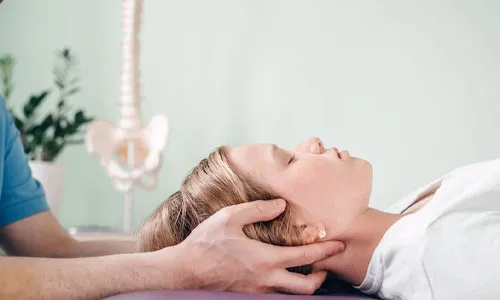
During the session, the patient lies fully clothed on a massage table while the therapist uses light touch to assess the craniosacral rhythm. The therapist’s hands may be placed on the skull, spine, sacrum, or other areas of the body to detect restrictions or imbalances.
3. Subtle Adjustments
Once the therapist has identified areas of tension or imbalance, they use gentle techniques to encourage the body to release these restrictions. These adjustments are often so subtle that patients may not feel them happening, but they can have profound effects on pain levels and overall well-being.
4. Relaxation and Healing
Many patients report feeling deeply relaxed during and after a craniosacral therapy session. The reduction in pain often occurs gradually, as the body continues to integrate the changes made during the session. Over time, regular CST sessions can lead to significant improvements in chronic pain conditions.
Conclusion: A Holistic Approach to Chronic Pain Relief
Craniosacral therapy offers a holistic, gentle approach to managing chronic pain. By addressing the root causes of pain—whether they are physical, emotional, or neurological—a skilled craniosacral therapist can help patients find relief without the need for medication or invasive procedures.
For those suffering from chronic pain, craniosacral therapy provides a path to healing that honors the body’s natural wisdom. The therapist’s role is not to force change but to support the body’s innate ability to heal, guiding patients toward balance and wellness. Whether you’re dealing with back pain, migraines, or emotional trauma, craniosacral therapy may offer the relief you’ve been searching for, allowing you to reclaim your life from the grip of chronic pain.
Visit Us:- https://maps.app.goo.gl/LSBfbqhrUQA9Yrhy7
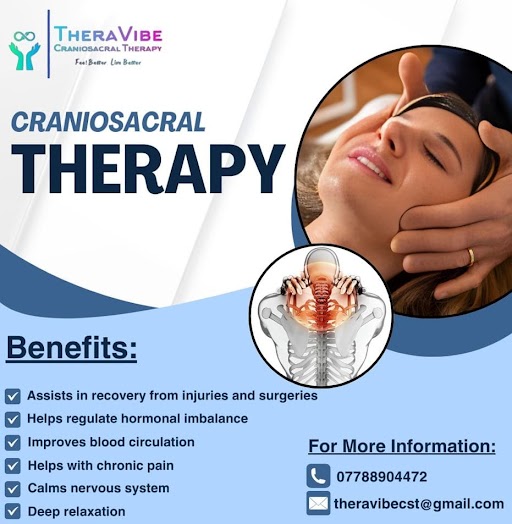

With the help of a well-planned physiotherapy program and the right physiotherapists, a person can quickly get rid of their existing problems and return back to their fit and healthy self.
Hillcrest Physiotherapy is a health clinic where we, with our team of experts, pay complete attention to our patient's problems.
This is a non-invasive therapy where gentle pressure is applied on the head, neck, and back to get rid of the pain and stress that is caused by compression.
This eventually leads to the successful treatment of many ailments and health problems.
A therapy that can be used by people of all ages, some of the major areas where craniosacral therapies are used are :*For irritable bowel syndrome*Sinus infections*Neck pains*Migraines and headaches*Constipation*Insomnia or disturbed sleep cycles*Scoliosis.
Always make sure that you have updated your practioner regarding your present health conditions and also of the other pre-existing ones.

Cranio-sacral therapy was discovered and developed about 100 years ago in the field of osteopathy.
The cranio-sacral therapist can take a contact on the body anywhere (head, back, legs) and like a puppeteer, can feel the strands of muscles and fascia, can feel how they move, and can work them loose from near or afar.Business URL: https://santacruzbetterbody.com/cranio-sacral-therapy/