In an increasingly digital world, small and medium-sized enterprises (SMEs) in the UK are becoming prime targets for cyber-attacks. While large corporations often make headlines when their data is breached, SMEs are often more vulnerable due to their limited resources and fewer cyber security measures. Protecting your business from these threats is not only essential for safeguarding sensitive information but also for ensuring the continuity and reputation of your company.
One of the main challenges SMEs faces is the perception that they are too small to be targeted by cyber criminals. This misconception can lead to complacency, with many small businesses failing to implement even the most basic security protocols. However, cyber criminals often target SMEs precisely because they are seen as easier targets, with fewer defences and less sophisticated security systems in place.
The consequences of a cyber-attack on an SME can be devastating. Beyond the immediate financial losses, businesses may face long-term damage to their reputation, loss of customer trust, and potential legal ramifications. Furthermore, recovering from a cyber-attack can be costly and time-consuming, with some businesses never fully bouncing back. For SMEs operating in highly competitive markets, a single breach could be enough to cripple their operations.
To protect your business from cyber threats, the first step is awareness. All employees, from the top down, need to be educated about the risks of cyber-attacks and the steps they can take to prevent them. This includes understanding the importance of strong, unique passwords, being cautious of phishing emails, and recognising suspicious activity. Regular training and updates are crucial, as cyber threats are constantly evolving.
Another critical aspect of cyber security for SMEs is having a strong password policy in place. Weak or reused passwords are one of the most common vulnerabilities exploited by cyber criminals. Enforcing the use of complex passwords that include a mix of characters, numbers, and symbols can help prevent unauthorised access to your systems. Additionally, using multi-factor authentication adds an extra layer of protection, requiring employees to verify their identity through a second method, such as a mobile app or text message.It is also important to keep all software up to date.
Many cyber-attacks exploit vulnerabilities in outdated software, making it essential to regularly install updates and patches. This includes not only operating systems and business software but also any third-party applications or plugins your business relies on. Ensuring that your systems are up to date can significantly reduce the risk of a cyber-attack.
Data encryption is another key defence mechanism for SMEs. By encrypting sensitive data, even if it is intercepted by cyber criminals, it will be unreadable without the correct decryption key. This adds an additional layer of security to your business’s data, particularly when it is being transmitted over the internet or stored in the cloud.
Backing up your data regularly is also essential. In the event of a cyber-attack, such as ransomware, having recent backups ensures that your business can recover its data without having to pay a ransom. These backups should be stored securely, either offsite or in the cloud, and should be tested periodically to ensure they can be restored quickly and effectively.
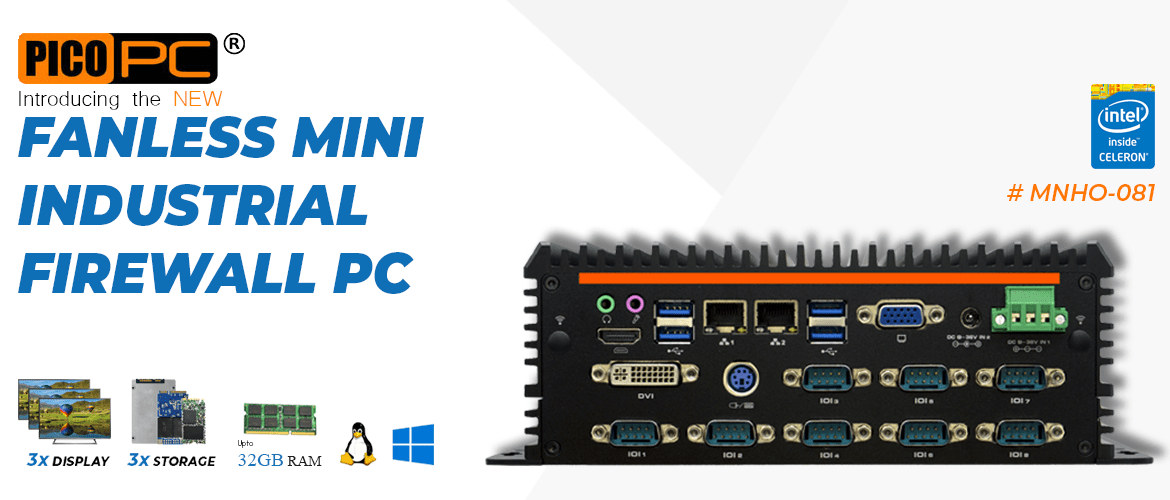
Firewalls and antivirus software remain fundamental tools in any SME’s cyber security arsenal. Firewalls act as a barrier between your internal network and the outside world, while antivirus software helps detect and remove malicious software before it can cause damage. While these tools are not foolproof, they provide an essential first line of defence against many common cyber threats.
For SMEs that rely on remote working or have employees accessing company systems from various locations, securing these connections is vital. Virtual private networks (VPNs) allow employees to securely access your business’s systems from remote locations, encrypting their internet traffic and protecting it from potential eavesdroppers. This is particularly important when employees are using public Wi-Fi networks, which are often less secure.
Implementing an incident response plan is also crucial for SMEs. No matter how robust your cyber security measures are, there is always a chance that your business could fall victim to an attack. Having a clear plan in place for how to respond to a cyber incident can help minimise the damage and ensure that your business can recover quickly. This plan should include steps for identifying and containing the breach, notifying any affected parties, and restoring normal operations.
For many SMEs, outsourcing their cyber security needs to a managed service provider can be a cost-effective solution. These providers offer a range of services, from monitoring your systems for suspicious activity to managing your backups and ensuring your software is up to date. By working with a managed service provider, SMEs can benefit from the expertise of cyber security professionals without the need to hire an in-house team.
In the UK, compliance with data protection regulations is another critical consideration for SMEs. The General Data Protection Regulation (GDPR) requires businesses to protect the personal data of their customers and employees. Failing to comply with these regulations can result in significant fines, making it essential for SMEs to implement the necessary security measures to protect this data.
As cyber threats continue to grow in both number and sophistication, SMEs cannot afford to be complacent. Taking a proactive approach to cyber security is essential for protecting your business, your customers, and your reputation. While the costs of implementing these measures may seem high, they pale in comparison to the potential losses your business could face in the event of a cyber-attack.
In conclusion, cyber security for SMEs in the UK is not a luxury, but a necessity. By taking the essential steps outlined above, businesses can significantly reduce their risk of falling victim to cyber criminals. In a world where data breaches and cyber-attacks are becoming increasingly common, investing in cyber security is one of the most important things any SME can do to protect its future.
About Us
Regola Digital Consulting specialises in providing comprehensive cyber security solutions tailored for small and medium-sized enterprises (SMEs). With a mission to enhance digital security, Regola offers services such as Cyber Essentials certification, Cyber Essentials Plus, Cyber Assurance, Cyber Baseline and bespoke security consulting. The company is a certified Cyber Essentials and IASME Certification Body, demonstrating a strong commitment to best practices in the industry. Regola's experienced team works closely with clients to ensure robust protection against cyber threats and help them to achieve valuable certifications.