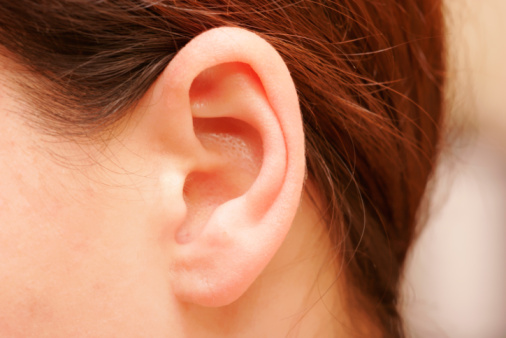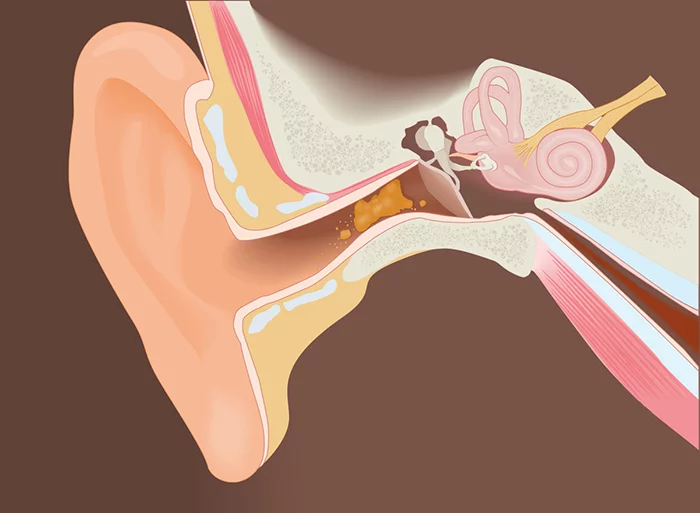


Ear wax, also known as cerumen, plays a crucial role in protecting the ears from dirt, dust, and other harmful particles. It acts as a natural lubricant and has antibacterial properties, preventing ear infections. However, when ear wax builds up excessively, it can lead to discomfort, hearing issues, and even infections. In this article, we’ll explore safe methods to remove wax from ear, signs of ear wax buildup, and preventive measures to maintain ear health.
What Causes Ear Wax Buildup?
Normally, ear wax moves through the ear canal and falls out naturally. However, several factors can contribute to the accumulation of wax:
Symptoms of Ear Wax Buildup
Ear wax buildup can cause a range of symptoms, including:
If you're experiencing these symptoms, it might be time to consider removing the excess wax. However, it's essential to avoid using cotton swabs, hairpins, or other objects to remove wax, as this can push the wax further into the ear or even damage the eardrum.
Safe Methods for Removing Ear Wax
There are several safe methods to remove ear wax, both at home and with professional help. Below, we’ll explore these options in detail.
1. Ear Drops
Over-the-counter ear drops are one of the most common ways to soften and remove ear wax. These drops contain ingredients such as hydrogen peroxide or carbamide peroxide, which help to break down the wax, making it easier to remove naturally.
How to use ear drops:
Repeat this process for a few days if necessary, but if you notice irritation or discomfort, discontinue use and consult a doctor.
2. Ear Irrigation
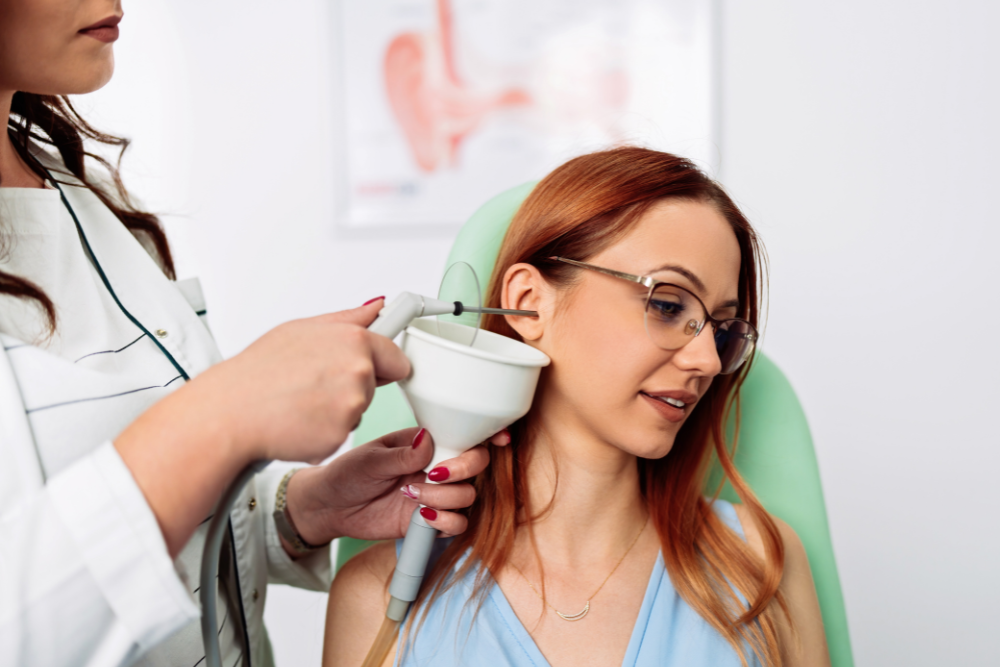
Ear irrigation is a method where warm water is used to flush out wax from the ear canal. This can be done at home using an ear irrigation kit or by a healthcare professional.
How to perform ear irrigation:
It’s important to use water that is at body temperature to prevent dizziness. Avoid using this method if you have a perforated eardrum or ear infection.
3. Manual Removal by a Doctor
In some cases, particularly with severe wax buildup, it’s best to visit a healthcare professional. An ENT (Ear, Nose, and Throat) doctor can use specialized tools like a curette or suction device to safely remove the wax. This method is quick and effective but should only be performed by a trained professional to avoid injury.
4. Ear Candling: A Controversial Method
Ear candling is an alternative remedy that involves placing a hollow candle in the ear and lighting it, with the aim of creating suction to draw out ear wax. However, this method is not recommended by medical professionals. It carries risks such as burns, ear canal damage, and even wax blockages if wax from the candle enters the ear.
When to See a Doctor
While mild ear wax buildup can often be treated at home, there are times when you should seek medical attention. You should consult a doctor if:
Ignoring these symptoms can lead to more severe conditions, including permanent hearing damage.
Preventing Ear Wax Buildup
Preventing ear wax buildup is possible with some simple practices:
Conclusion
Ear wax is an essential part of ear health, but too much of it can cause problems. Knowing how to safely remove ear wax and recognizing the signs of buildup are key to maintaining good hearing and ear hygiene. If home remedies don’t work or you experience severe symptoms, don’t hesitate to seek professional help. Your ears are delicate, and taking proper care of them will ensure they remain healthy for years to come.