

Ear health is often overlooked, yet it plays a vital role in our overall well-being. One of the most common concerns people face is ear wax buildup. While ear wax, medically known as cerumen, is a natural substance that protects the ear canal, excessive accumulation can lead to discomfort, hearing difficulties, or even infections. Understanding how ear wax works, when it becomes a problem, and the safe ways to remove it can help you maintain healthy ears and avoid unnecessary complications.
What Is Ear Wax and Why Do We Have It?
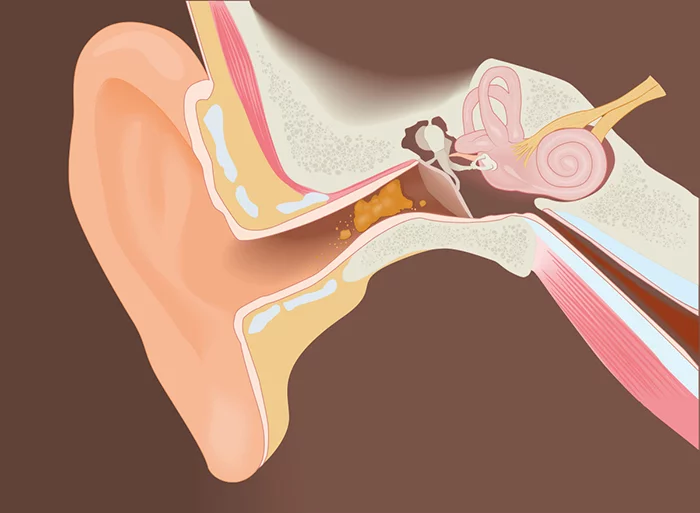
Ear wax is a waxy substance produced by glands in the ear canal. Many people think of it as dirty or unhygienic, but in reality, it serves several important functions:
- Protects the ear canal from dust, bacteria, and foreign particles.
- Lubricates the skin inside the ear to prevent dryness and irritation.
- Acts as a natural barrier against infections by trapping harmful microorganisms.
Normally, ear wax moves toward the ear opening naturally, where it dries and falls out on its own. However, in some cases, the ear canal may produce too much wax, or the natural cleaning process may not work as intended, leading to buildup and blockage.
Signs of Ear Wax Buildup
A small amount of ear wax is normal and healthy. Problems arise when wax hardens or blocks the ear canal. Common symptoms of ear wax buildup include:
- Partial hearing loss or muffled hearing
- A feeling of fullness or blockage in the ear
- Earache or discomfort
- Ringing in the ears (tinnitus)
- Dizziness or balance problems
If you experience sudden or severe hearing loss, sharp pain, or fluid discharge from the ear, you should seek medical attention immediately, as these may signal more serious conditions.
Safe Methods of Ear Wax Removal
The good news is that there are several safe and effective ways to manage ear wax buildup. Here are the most recommended methods:
1. Over-the-Counter Ear Drops
Ear drops can soften hardened wax, making it easier for the body to expel naturally. These drops are usually made of mineral oil, baby oil, glycerin, or hydrogen peroxide solutions. Simply follow the instructions on the packaging, and within a few days, the wax should loosen and clear on its own.
2. Ear Irrigation
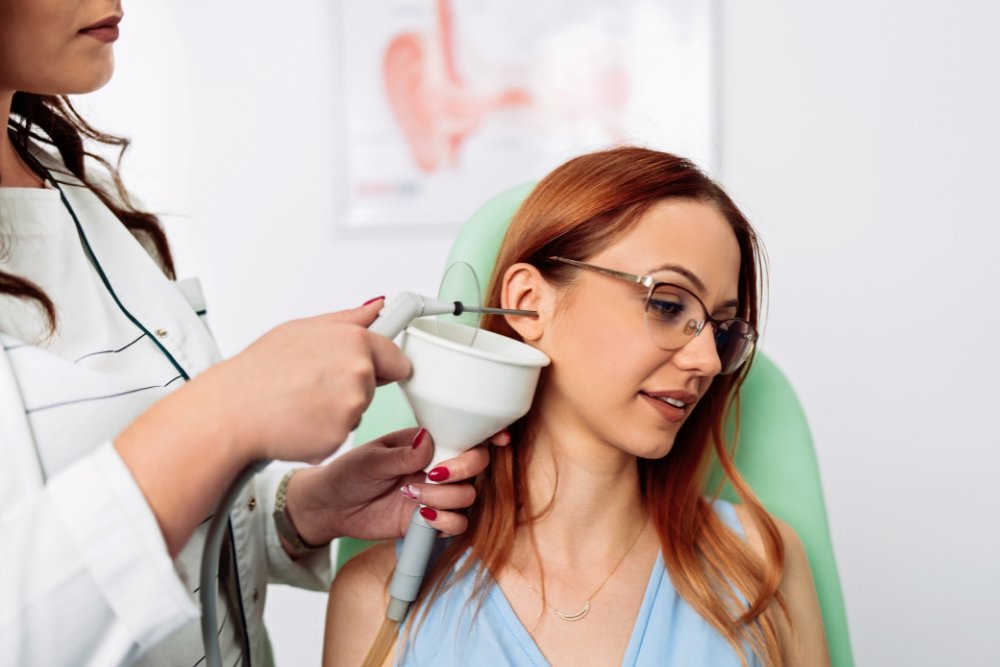
Irrigation is a common method performed by healthcare professionals, although some home kits are available. The process involves using a syringe filled with warm water or saline solution to gently flush the wax out of the ear canal. While effective, it should be done carefully to avoid damaging the eardrum.
3. Manual Removal by a Professional
In some cases, an audiologist or ENT specialist may use special tools, such as a curette or suction device, to manually remove ear wax. This method is quick, safe, and often recommended for individuals with frequent earwax problems, hearing aids, or narrow ear canals.
4. Microsuction
Microsuction is considered one of the safest and most advanced methods of ear wax removal. It uses a small suction device, often under a microscope, to gently remove wax without introducing water. This procedure is widely offered at audiology clinics and is particularly suitable for people with ear conditions or a history of ear infections.
What Not to Do
When it comes to ear wax removal, there are some practices that should be strictly avoided, as they can do more harm than good:
- Avoid cotton swabs (Q-tips): Pushing cotton swabs into the ear canal often drives wax deeper, causing impaction or even injuring the eardrum.
- Do not use sharp objects: Hairpins, toothpicks, or other items can scratch the delicate ear canal and lead to infection.
- Skip ear candling: Despite being marketed as a natural solution, ear candling is ineffective and potentially dangerous, with risks of burns and ear damage.
Preventing Excessive Ear Wax Buildup
While ear wax cannot be completely prevented, certain habits can help reduce the likelihood of problematic buildup:
- Clean the outer ear only: Gently wipe the external part of your ear with a damp cloth.
- Stay hydrated: Adequate hydration helps maintain proper ear canal moisture.
- Avoid inserting objects into your ears: Even earphones or hearing aids should be cleaned regularly to prevent wax compaction.
- Schedule regular checkups: If you’re prone to earwax buildup, routine visits to a healthcare provider can keep your ears in good condition.
When to See a Doctor
Most cases of ear wax buildup can be treated at home with drops or irrigation. However, you should seek professional care if you:
- Experience persistent hearing loss despite trying safe removal methods.
- Have a history of ear surgery, eardrum perforation, or chronic ear infections.
- Develop severe ear pain, dizziness, or drainage.
In these cases, medical supervision is crucial to avoid complications and to ensure that symptoms are not caused by other underlying issues.
Conclusion
Ear wax is not something to be feared—it is a natural defense mechanism that keeps our ears healthy. Problems only arise when it builds up excessively or becomes impacted. With safe methods like ear drops, irrigation, or professional ear wax removal, ear wax can be managed easily. The key is to avoid harmful practices like cotton swabs or ear candling and to recognize when it’s time to see a professional.
By paying attention to your ear health and taking simple precautions, you can keep your ears clear, your hearing sharp, and your overall well-being intact.