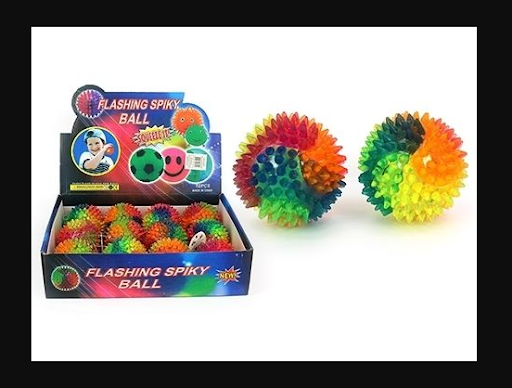
Sensory toys are specifically designed to stimulate a child's senses and can be incredibly beneficial for children with various needs, including those with autism, ADHD, or sensory processing disorders. With so many options available, it can be challenging for parents and caregivers to determine which sensory toys are best suited for their child. This blog aims to explore different types of sensory toys and guide you in choosing the right ones for your little one.
Understanding Sensory Toys
Before diving into the types of sensory toys, it’s essential to understand what they are and why they matter. Sensory toys engage children’s senses—sight, sound, touch, taste, and smell—and help improve their sensory processing skills. They can also promote focus, calmness, and emotional regulation. By incorporating sensory toys into playtime, parents can provide their children with the opportunity to explore and develop these skills in a safe and enjoyable environment.
Types of Sensory Toys
1. Tactile Toys
Tactile toys engage the sense of touch. They come in various textures and shapes that can be squished, stretched, or manipulated. Examples include stress balls, kinetic sand, and textured sensory mats. These toys are excellent for developing fine motor skills and enhancing tactile awareness. For children who are drawn to touch, tactile toys can offer comforting sensory feedback.
2. Fidget Toys
Fidget toys are designed for children who benefit from movement to focus. These include items like fidget spinners, fidget cubes, and squishy toys. They are particularly effective for children with ADHD or those who struggle to stay seated or focused for long periods. By allowing a child to engage their hands while concentrating, fidget toys can help improve attention and reduce anxiety.
3. Visual Sensory Toys
Visual sensory toys stimulate a child's sight. These include items like light-up toys, spinning tops, and kaleidoscopes. Toys that incorporate colors and lights can captivate children’s attention and are excellent for developing visual tracking skills. For children who are visually oriented, these toys provide a fascinating way to explore colors and patterns.
4. Auditory Toys
Toys that focus on sound can also be classified as sensory toys. Examples include musical instruments, sound puzzles, and toys that make sounds when pressed. Auditory toys help children develop listening skills and can be soothing for some. For children who respond positively to sound, these toys can create a relaxing environment while also enhancing auditory discrimination.
5. Taste and Smell Toys
Some sensory toys engage the senses of taste and smell. These may include flavored sensory playdough, scented markers, or even edible sensory toys like yogurt drops. Although less common, these toys can be helpful for children who are exploring these senses. It’s essential to ensure that these toys are safe and non-toxic, particularly for younger children who may put things in their mouths.
6. Weighted Toys
Weighted sensory toys, such as weighted blankets or lap pads, provide deep pressure input that can be calming for many children. The added weight helps some children feel more grounded and secure, making these toys particularly beneficial for those with anxiety or sensory processing challenges.
7. Nature-Based Sensory Toys
Incorporating elements from nature can also create enriching sensory experiences. For instance, crystals in Australia can be used in sensory play, as they provide varied textures and colors, while promoting exploration. Additionally, nature-themed sensory kits may include items like sand, shells, and small stones, allowing children to connect with the environment while engaging their senses.
8. DIY Sensory Toys
Creating your own sensory toys can be a fun and cost-effective way to provide sensory stimulation. Parents can make sensory bins filled with rice, beans, or water beads for tactile exploration. Another idea is to create a smudge stick kit, where children can explore various scents while learning about different herbs and plants. The act of making these toys can also serve as a bonding activity between parents and children.
Conclusion
Sensory toys play a vital role in helping children develop essential skills while providing comfort and engagement. By understanding the different types of sensory toys available, you can make informed decisions that cater to your child’s unique needs. Whether your child is drawn to tactile toys, fidget items, or nature-based sensory experiences like crystals or a bead bracelet, the right sensory toy can provide significant benefits. Investing in sensory toys is an excellent way to support your child's development and overall well-being.




Are you sure you’re well verse with the term?
Well, I can guarantee that you don’t.
‘Cache’ is often heard or may be an overheard term in the digital world.
Though, we often get to read it along the dedicated server specifications, but only a few know what its role is.Before describing its operation, it is important to know that Cache is often used in many protocols and technologies.
The prime aim of Cache is to communicate between two or more machines faster.
That means it avoids unnecessary recurrence action and data exchange.