





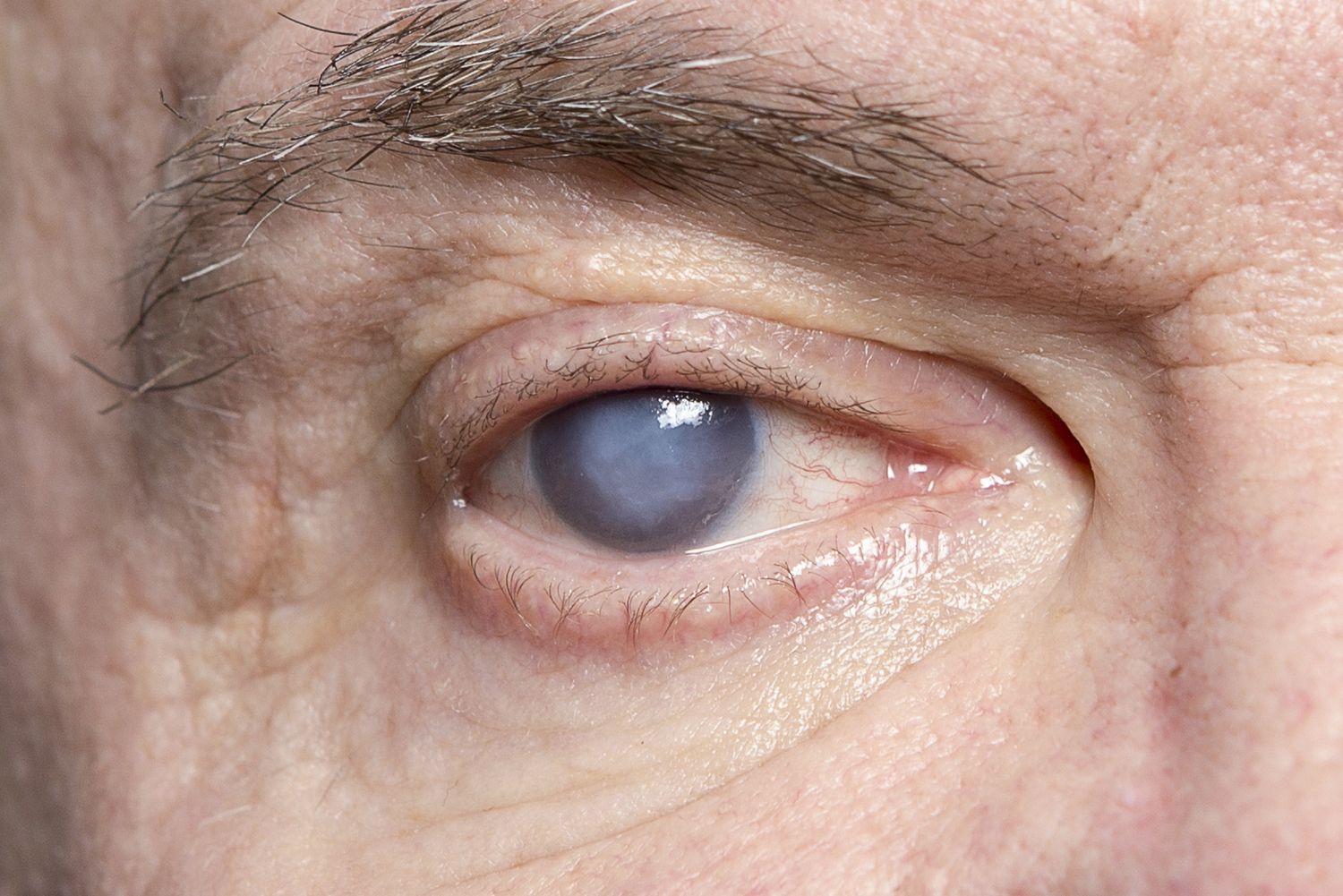
Understanding Cataracts: What is Motiyabind or Motia in the Eyes?
Cataracts, also known as Motiyabind, refer to the clouding of the eye's clear lens, leading to blurred vision. This condition often makes it difficult for individuals to see clearly, much like looking through a foggy or frosted window. People with cataracts often experience issues like difficulty reading, driving (especially at night), or recognizing faces. Cataracts generally develop slowly with age but can worsen over time, eventually interfering with daily activities.
In the early stages, stronger lighting and prescription eyeglasses may help. However, once cataracts begin to significantly affect vision, surgery becomes a common recommendation. Cataract surgery is a highly effective and safe procedure that removes the clouded lens and replaces it with a clear artificial lens, restoring vision.
How Cataracts Form: The Science Behind the Clouding
The eye’s lens is located behind the iris and focuses light on the retina, which then sends visual signals to the brain. When a cataract clouds the lens, the scattered light disrupts the clarity of vision, leading to blurred or dimmed sight. Cataracts typically result from changes in the proteins and fibers in the lens due to aging.
Causes of Cataracts: Understanding the Risk Factors
Cataracts can form due to various factors, including:
- Aging
- Diabetes
- Excessive exposure to sunlight or radiation
- Smoking
- Long-term use of steroids
- Eye injuries
- Hypertension
- Obesity
- Alcohol overconsumption
Types of Cataracts: Different Forms and Their Characteristics
Cataracts are categorized based on their location and development in the lens. The primary types include:
Nuclear Cataracts: Central Clouding
Nuclear cataracts form in the center (nucleus) of the lens and are commonly associated with aging. They may initially cause nearsightedness and even a temporary improvement in reading vision. However, over time, the lens gradually turns yellow and further clouds vision.
Cortical Cataracts: Peripheral Clouding
Cortical cataracts begin as whitish, wedge-shaped opacities or streaks on the outer edge (cortex) of the lens. These streaks gradually extend toward the center, interfering with light passing through the center of the lens. People with cortical cataracts often experience issues with glare and contrast.
Posterior Subcapsular Cataracts: Back of the Lens
Posterior subcapsular cataracts develop at the back of the lens, directly in the path of light. They tend to progress faster than other types and are more common among people with diabetes, those taking high doses of steroid medications, or those who have extreme nearsightedness. Symptoms include difficulty reading and increased glare or halos around lights at night.
Congenital Cataracts: Present at Birth
Congenital cataracts are present at birth or develop during childhood. These cataracts can be due to genetic factors, intrauterine infections, or metabolic disorders. Early detection and treatment are crucial to prevent vision problems and ensure proper visual development in children.
Symptoms of Cataracts: Recognizing the Signs
The symptoms of cataracts can vary depending on the type and severity of the condition. Common symptoms include:
- Blurred or cloudy vision
- Difficulty seeing at night
- Sensitivity to light and glare
- Seeing halos around lights
- Frequent changes in eyeglass or contact lens prescription
- Fading or yellowing of colors
- Double vision in a single eye
Risk Factors for Cataracts: Who is More Susceptible?
While aging is the most significant risk factor for cataracts, several other factors can increase the likelihood of developing this condition. These include:
- Family history of cataracts
- Diabetes and other metabolic disorders
- Prolonged exposure to sunlight (UV radiation)
- Smoking and excessive alcohol consumption
- Previous eye injuries or inflammation
- Long-term use of corticosteroid medications
- Exposure to radiation therapy
Diagnosis of Cataracts: How Eye Specialists Identify the Condition
Diagnosing cataracts typically involves a comprehensive eye examination by an ophthalmologist or optometrist. The examination may include:
- Visual acuity test: This test measures how well you can read a series of letters from a distance.
- Slit-lamp examination: A slit lamp allows the eye doctor to examine the structures at the front of your eye under magnification.
- Retinal exam: The doctor uses eye drops to dilate your pupils and examine the retina and the back of your eye for signs of cataracts.
- Applanation tonometry: This test measures the pressure inside your eye, which can help detect other eye conditions like glaucoma.
Treatment Options for Cataracts: From Lifestyle Changes to Surgery
In the early stages of cataracts, vision can often be improved with new eyeglasses, brighter lighting, anti-glare sunglasses, or magnifying lenses. However, if cataracts progress and significantly impair vision, surgery is the most effective treatment.
Cataract Surgery: An Overview
Cataract surgery involves removing the clouded lens and replacing it with a clear artificial lens called an intraocular lens (IOL). The procedure is typically performed on an outpatient basis and is highly successful in restoring vision. There are two main types of cataract surgery:
Phacoemulsification
This is the most common type of cataract surgery. It involves using an ultrasound probe to break up the cloudy lens into small fragments, which are then suctioned out. The artificial lens is then inserted into the remaining lens capsule.
Extracapsular Cataract Extraction (ECCE)
In this procedure, the cloudy lens is removed in one piece through a larger incision, and the artificial lens is implanted. ECCE is typically reserved for cases where phacoemulsification is not suitable.
Prevention of Cataracts: Steps to Protect Your Vision
While cataracts cannot always be prevented, certain lifestyle changes can help reduce the risk of developing them. These include:
- Wearing sunglasses that block UV rays
- Quitting smoking
- Limiting alcohol consumption
- Maintaining a healthy diet rich in fruits and vegetables
- Managing underlying health conditions like diabetes
- Regular eye examinations to detect early signs of cataracts
Living with Cataracts: Coping Strategies and Support
Living with cataracts can be challenging, but several strategies can help manage the condition and maintain a good quality of life. These include:
- Using brighter lighting and magnifying lenses for reading and other close-up tasks
- Wearing anti-glare sunglasses to reduce sensitivity to light
- Ensuring regular eye check-ups to monitor the progression of cataracts
- Discussing with your eye doctor about the best time for surgery
Conclusion: Taking Control of Your Eye Health
Cataracts are a common eye condition, especially among older adults, but they are treatable. Understanding the types, causes, symptoms, and risk factors of cataracts can help you take proactive steps to protect your vision. Regular eye exams, healthy lifestyle choices, and timely medical interventions can significantly improve your quality of life and ensure that you maintain clear vision for years to come.




Nowadays Cataracts are so common diseases.
Eye associates of south texas provide the best cataracts treatment in Seguin, TX at an affordable cost.http://www.eyeassociatesofsouthtexas.com/cataracts/
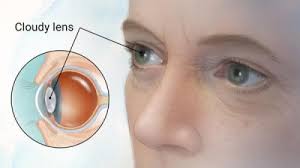
Cataract surgery a procedure that replaces clouded lens from eye with an artificial lens, this surgery is typically a safe, effective treatment for progressed cataracts, and is usually performed by an (ophthalmologist) cataract surgery doctor like Dr. Leo Ayzenberg cataract surgery doctor Chicago Dr. Leo Ayzenberg ophthalmologist cataract surgery doctor Chicago