

Understanding Data Scraping
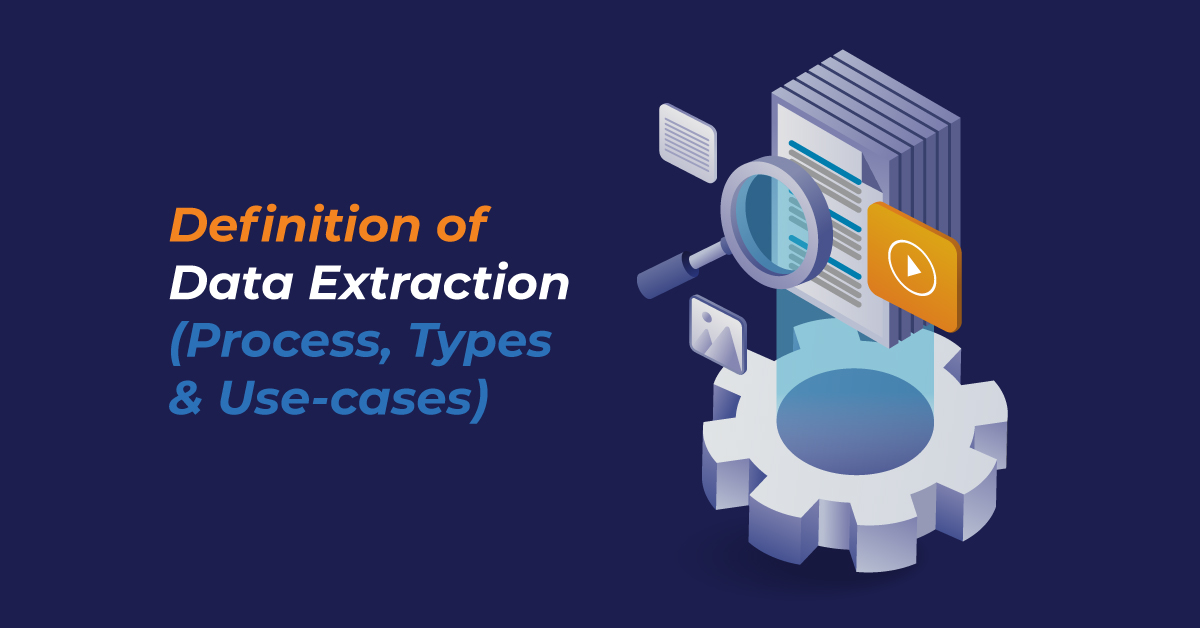
Data, or web scraping, refers to the automated extraction of information from websites. This process involves utilizing software tools or scripts to navigate web pages, collect data, and store it in a structured format, such as a spreadsheet or database. Web scraping is often used for gathering market intelligence, tracking competitor activity, or compiling publicly available data from various online sources. However, it’s crucial to always comply with the website’s terms of service and adhere to legal guidelines when scraping data.
The Web Scraping Process
Automating web scraping consists of several essential steps:
- Identify Objectives: Clearly define the data you need and identify which websites contain that information.
- Select Your Tools: Choose the right scraping tools or libraries (e.g., Beautiful Soup, Scrapy, Selenium) depending on the website's complexity and your technical proficiency.
- Analyze the Target Website: Use browser developer tools to inspect the web pages’ structure and locate the HTML elements containing the target data.
- Create the Scraping Script: Write a script that automates accessing the target URLs, extracts the necessary data, and processes it. This may involve managing pagination, submitting forms, or interacting with JavaScript-rendered content.
- Organize Data Storage: Determine how to store the scraped data—whether in formats like CSV or JSON, or directly into a database.
- Incorporate Error Handling: Ensure your script can handle issues such as broken links, timeouts, or unexpected website structure changes.
- Schedule Automation: Use tools like cron jobs or cloud-based automation platforms to run the scraping process regularly.
- Monitor and Update: Continuously monitor the script’s performance and adjust it as needed to accommodate website changes or improve efficiency.
- Ensure Legal Compliance: Always follow the website's terms of service and abide by applicable data usage laws.
Types of Data Extracted Through Automation
Automation can capture a wide range of data from websites, including:
- Textual Data: Information like product descriptions, news articles, blog posts, reviews, and FAQs.
- Structured Data: Organized data such as tables, lists, and grids, typically containing details like pricing, specifications, or contact information.
- Media Content: Images, videos, and thumbnails can be downloaded or cataloged.
- Meta Data: Extract metadata like title tags, meta descriptions, and keywords embedded within the HTML structure.
- Hyperlinks: Gather URLs and anchor text for analyzing site structure or developing link-building strategies.
- User-Generated Content: Scrape user comments, reviews, and ratings from e-commerce sites, forums, and social media platforms.
- Dynamic Content: Data loaded through JavaScript can be captured using browser automation tools.
- Social Media Metrics: Extract posts, comments, and engagement data from social media platforms for analysis.
- Pricing and Availability: Real-time updates on product pricing, stock availability, and promotions.
- Market Intelligence: Gather valuable industry reports, economic indicators, or competitor pricing data for strategic decision-making.
By automating the data extraction process, businesses can harness vast amounts of information efficiently, leading to better decision-making, more accurate market analysis, and an edge over competitors. However, it’s essential to use these tools responsibly, ensuring all legal and ethical guidelines are respected.
Source:- https://www.webdataguru.com/blog/automated-data-scraping-and-extraction