






Sewer odor detection is a critical aspect of maintaining public health and environmental safety. The unpleasant smell emanating from sewer systems can be indicative of underlying issues that need immediate attention. This comprehensive guide will take you through the journey of sewer odor detection, from initial identification to resolution, utilizing professional approaches and tools.
The importance of addressing sewer odors cannot be overstated. Not only do these odors create an unpleasant living environment, but they can also pose serious health risks. Prolonged exposure to sewer gases can lead to respiratory issues, headaches, and other health problems. Furthermore, sewer odors can indicate structural issues within the sewer system that, if left unaddressed, can lead to costly repairs and environmental damage.
Understanding Sewer Odor: Causes and Consequences
Sewer odors are typically caused by the release of gases such as hydrogen sulfide, methane, and ammonia. These gases are produced by the decomposition of organic matter in the absence of oxygen. The presence of sewer odor not only causes discomfort but can also indicate potential health hazards and structural issues within the sewer system.
Hydrogen sulfide, for example, is a toxic gas that smells like rotten eggs and can be harmful even at low concentrations. Methane, on the other hand, is a highly flammable gas that can pose a significant explosion risk if it accumulates in confined spaces. Ammonia, with its pungent smell, can cause irritation to the eyes, nose, and throat. The release of these gases into the environment can also contribute to air pollution and negatively affect the quality of life in surrounding areas.
Understanding the causes of sewer odors is the first step in addressing them. Common causes include:
- Dry Traps: Traps are designed to hold water and prevent sewer gases from entering buildings. If a trap dries out, it can allow odors to escape.
- Broken Seals: Seals around plumbing fixtures can deteriorate over time, leading to leaks and the escape of sewer gases.
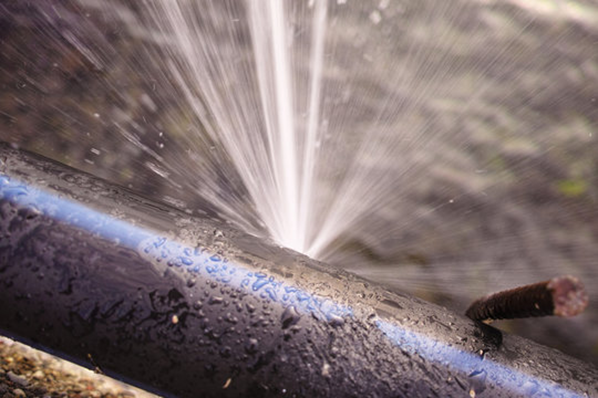
- Cracks in Sewer Lines: Cracks or breaks in sewer lines can allow gases to escape into the surrounding soil and eventually into buildings.
- Blockages: Blockages in the sewer system can cause a buildup of gases, leading to increased pressure and the release of odors.
Initial Identification of Sewer Odor
The first step in addressing sewer odor is its identification. This involves recognizing the characteristic smell and determining its source. Common sources of sewer odor include dry traps, broken seals, and cracks in sewer lines. Professional odor detection often begins with a thorough inspection of the plumbing and sewer system.
Identifying the source of sewer odor can be challenging, as the smell can travel through the sewer system and emerge in unexpected places. Professional odor inspectors use a combination of techniques to pinpoint the source of the odor. These techniques include:
- Visual Inspection: Inspectors visually examine plumbing fixtures, traps, and seals for signs of damage or leaks.
- Smoke Testing: Smoke testing involves introducing smoke into the sewer system to identify leaks and cracks where the odor might be escaping.
- Gas Detection Devices: These devices can detect the presence of specific gases such as hydrogen sulfide and methane, helping to identify the source of the odor.
- Olfactory Analysis: Professional odor inspectors use their sense of smell to detect and trace the source of the odor.
Tools and Techniques for Sewer Odor Detection
Several tools and techniques are employed in sewer odor detection. These include:
- Smoke Testing: This involves introducing smoke into the sewer system to identify leaks and cracks where the odor might be escaping. Smoke testing is a widely used method because it is relatively simple and effective. The smoke is non-toxic and easily visible, making it easy to identify areas where it is escaping from the sewer system.
- Gas Detection Devices: These devices can detect the presence of specific gases such as hydrogen sulfide and methane. Gas detection devices come in various forms, including handheld detectors and fixed monitoring systems. They provide real-time data on gas concentrations, helping inspectors identify problem areas quickly.
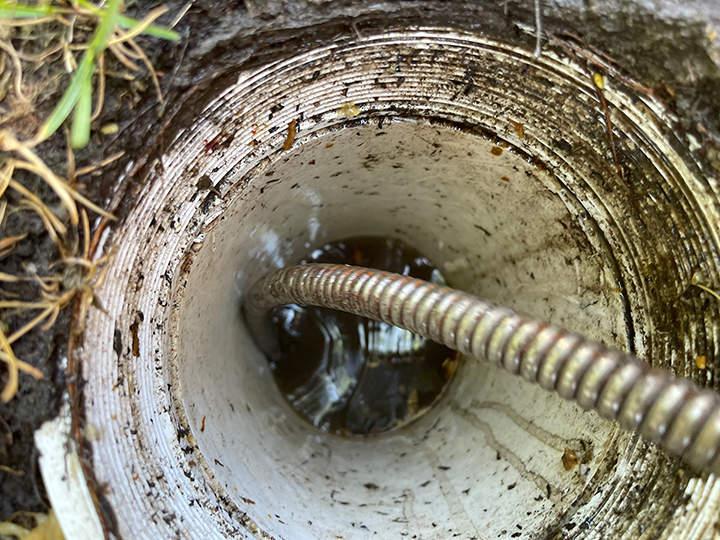
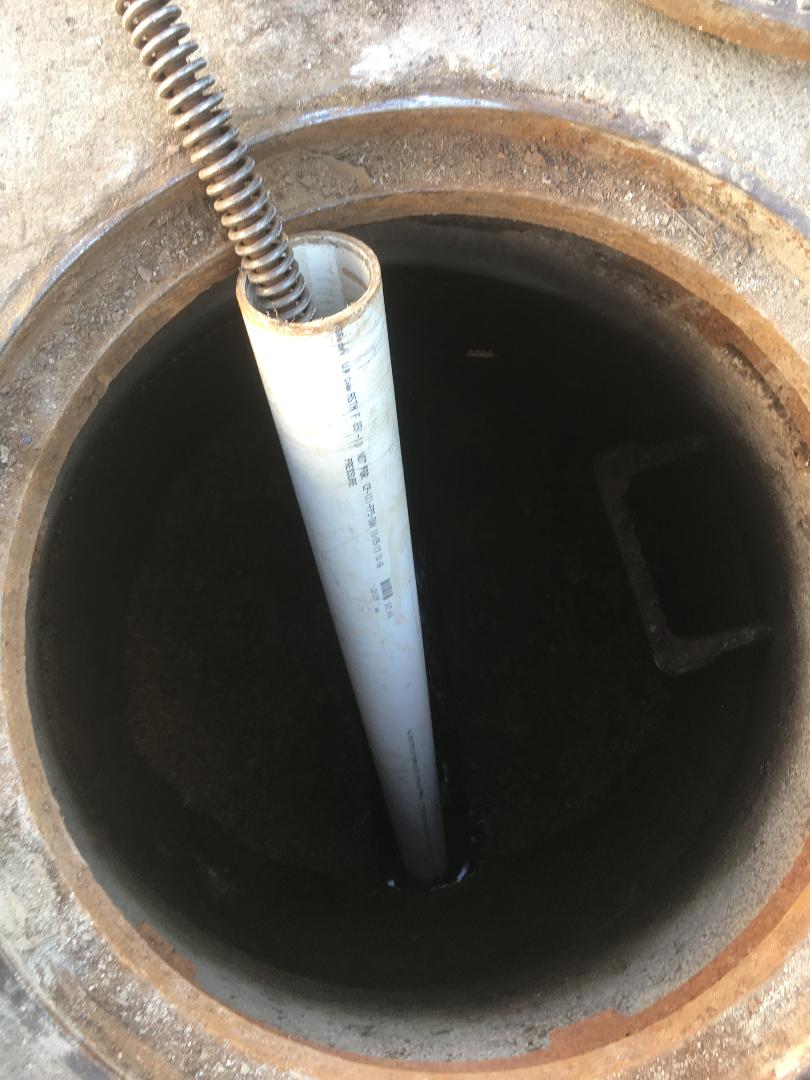
- Sewer Camera Inspection: Using cameras to visually inspect the interior of sewer lines for any damage or blockages. Video inspection involves inserting a camera into the sewer lines to capture real-time footage of the interior. This allows inspectors to identify cracks, breaks, and blockages that may be causing sewer odors.
- Olfactory Analysis: Professional odor inspectors use their sense of smell to pinpoint the source of the odor. Olfactory analysis relies on the inspector's ability to detect and identify specific odors. This method is often used in conjunction with other techniques to confirm the source of the odor.
Professional Approaches to Sewer Odor Resolution
Once the source of the sewer odor is identified, the next step is to resolve the issue. Professional approaches to sewer odor resolution include:
- Repairing Leaks and Cracks: Fixing any identified leaks or cracks in the sewer lines to prevent the escape of gases. This may involve sealing cracks, replacing damaged sections of sewer line, or applying coatings to prevent further leaks.
- Cleaning and Maintenance: Regular cleaning and maintenance of the sewer system to prevent the buildup of organic matter. This includes removing blockages, cleaning out traps, and ensuring that all components of the sewer system are functioning properly.
- Installing Odor Control Devices: Using devices such as air scrubbers and biofilters to neutralize odors. Air scrubbers use chemical or biological processes to remove odorous compounds from the air, while biofilters use microorganisms to break down and neutralize odors.
- Upgrading Sewer Systems: Implementing modern sewer system designs and materials that are less prone to leaks and odor issues. This may involve replacing old pipes with new, more durable materials, or redesigning the sewer system to improve flow and reduce the risk of blockages.
Preventive Measures for Sewer Odor Control
Prevention is always better than cure. Implementing preventive measures can help in controlling sewer odors before they become a problem. These measures include:
- Regular Inspections: Conducting routine inspections of the sewer system to identify and address potential issues early. Regular inspections can help detect minor issues before they become major problems, reducing the risk of sewer odors.
- Proper Waste Disposal: Ensuring that waste is disposed of correctly to prevent blockages and buildup in the sewer system. This includes educating residents about what can and cannot be flushed down toilets and drains.
- Community Education: Educating the community about the importance of maintaining the sewer system and reporting any issues promptly. Community education programs can help raise awareness about the causes of sewer odors and encourage residents to take proactive steps to prevent them.
- System Upgrades: Investing in modern sewer infrastructure that is designed to minimize odor issues. Upgrading aging infrastructure can help reduce the risk of leaks and blockages, leading to fewer odor problems.
The Role of Technology in Sewer Odor Detection and Control
Advancements in technology have significantly improved the ability to detect and control sewer odors. Innovations such as smart sensors, real-time monitoring systems, and advanced filtration technologies are being increasingly used to enhance the efficiency and effectiveness of sewer odor management. These technologies not only help in early detection but also provide data-driven insights for better decision-making.
Smart sensors, for example, can be installed throughout the sewer system to continuously monitor gas concentrations and detect any anomalies. These sensors can provide real-time data to a central monitoring system, allowing for quick identification and response to potential odor issues. Real-time monitoring systems can also help identify trends and patterns in odor occurrences, enabling more proactive management of the sewer system.
Advanced filtration technologies, such as biofilters and chemical scrubbers, are also being used to neutralize odors more effectively. Biofilters use microorganisms to break down and neutralize odorous compounds, while chemical scrubbers use chemical reactions to remove odorous gases from the air. These technologies can be integrated into the sewer system to provide continuous odor control.
Environmental and Health Impacts of Sewer Odors
Sewer odors are not just a nuisance; they can have serious environmental and health impacts. Prolonged exposure to sewer gases can lead to respiratory issues, headaches, and other health problems. Additionally, the release of these gases into the environment can contribute to air pollution and negatively affect the quality of life in surrounding areas. Addressing sewer odors is thus crucial for protecting public health and the environment.
Hydrogen sulfide, for example, is a toxic gas that can cause irritation to the eyes, nose, and throat at low concentrations. At higher concentrations, it can lead to more severe health effects, including respiratory distress and even death. Methane, while not directly toxic, is a potent greenhouse gas that contributes to climate change. Ammonia, with its pungent smell, can cause irritation and discomfort even at low concentrations.
In addition to the health risks, sewer odors can also have economic impacts. Persistent odor issues can decrease property values and deter business investment in affected areas. Addressing sewer odors can help improve the quality of life for residents, protect public health, and support economic development.
Community Involvement in Sewer Odor Management
Effective sewer odor management requires the involvement of the entire community. Residents can play a key role by reporting any sewer odor issues promptly and following best practices for waste disposal. Community awareness programs and educational campaigns can help in fostering a sense of responsibility and cooperation among residents, leading to more effective management of sewer odors.
Community involvement can take many forms, including:
- Reporting Issues: Encouraging residents to report any sewer odor issues promptly to the appropriate authorities. This can help ensure that issues are addressed quickly before they become major problems.
- Proper Waste Disposal: Educating residents about what can and cannot be flushed down toilets and drains. Proper waste disposal can help prevent blockages and buildup in the sewer system, reducing the risk of odors.
- Participating in Community Programs: Getting involved in community awareness programs and educational campaigns. These programs can help raise awareness about the causes of sewer odors and encourage residents to take proactive steps to prevent them.
- Supporting Infrastructure Upgrades: Supporting efforts to upgrade aging sewer infrastructure. Modern infrastructure is less prone to leaks and blockages, leading to fewer odor problems.
Challenges in Sewer Odor Detection and Resolution
Despite the advancements in technology and professional approaches, there are still several challenges in sewer odor detection and resolution. These include:
- Accessibility: Some parts of the sewer system may be difficult to access, making it challenging to conduct thorough inspections and repairs. This can be particularly problematic in older cities with complex sewer networks.
- Complexity of Sewer Systems: The intricate network of sewer lines and connections can complicate the process of pinpointing the exact source of the odor. Odors can travel through the sewer system and emerge in unexpected places, making it difficult to identify the source.
- Resource Constraints: Limited resources and budget constraints can hinder the implementation of comprehensive odor control measures. Addressing sewer odors often requires significant investment in infrastructure upgrades, advanced detection tools, and ongoing maintenance.
- Public Awareness: A lack of public awareness and cooperation can impede efforts to manage sewer odors effectively. Educating the community about the importance of proper waste disposal and encouraging residents to report odor issues promptly are critical for effective odor management.
Future Trends in Sewer Odor Detection and Control
The field of sewer odor detection and control is continuously evolving, with new trends and innovations emerging. Future trends may include the increased use of artificial intelligence and machine learning for predictive maintenance, the development of more efficient and eco-friendly odor control technologies, and the integration of smart city initiatives to enhance the overall management of urban infrastructure, including sewer systems.
Artificial intelligence (AI) and machine learning (ML) have the potential to revolutionize sewer odor management. These technologies can analyze vast amounts of data from sensors and monitoring systems to identify patterns and predict potential odor issues before they occur. Predictive maintenance can help prevent odor problems by addressing issues proactively, reducing the need for costly repairs and minimizing disruptions.
Eco-friendly odor control technologies are also gaining traction. These technologies aim to reduce the environmental impact of odor control measures by using sustainable materials and processes. For example, biofilters use natural microorganisms to break down and neutralize odorous compounds, providing an environmentally friendly solution to odor control.
Smart city initiatives are integrating advanced technologies to improve the overall management of urban infrastructure. This includes the use of smart sensors, real-time monitoring systems, and data analytics to enhance the efficiency and effectiveness of sewer odor management. By leveraging these technologies, cities can improve their ability to detect and address sewer odors, leading to a better quality of life for residents.
Conclusion: The Importance of Comprehensive Sewer Odor Management
Comprehensive sewer odor management is essential for maintaining public health, environmental safety, and overall quality of life. By understanding the causes and consequences of sewer odors, utilizing advanced detection tools and techniques, and implementing effective resolution and preventive measures, communities can address sewer odor issues more effectively. The involvement of residents, the use of modern technology, and the continuous improvement of sewer infrastructure are key to achieving long-term success in sewer odor management.
Addressing sewer odors requires a multi-faceted approach that includes regular inspections, proper waste disposal, community education, and investment in modern infrastructure. By taking proactive steps to prevent and address sewer odors, communities can protect public health, improve the quality of life for residents, and support economic development. The future of sewer odor management lies in the continued advancement of technology and the active involvement of the community in maintaining a safe and healthy environment.


Do you have a clogged sewer at your place?
Quit looking for shortcuts and get it removed once and for all.
Hire SDCS for the best clog sewer St. Louis based service.
Our expert will inspect the sewer using high tech tools and equipment.
Visit our website to learn more about our services and deals.
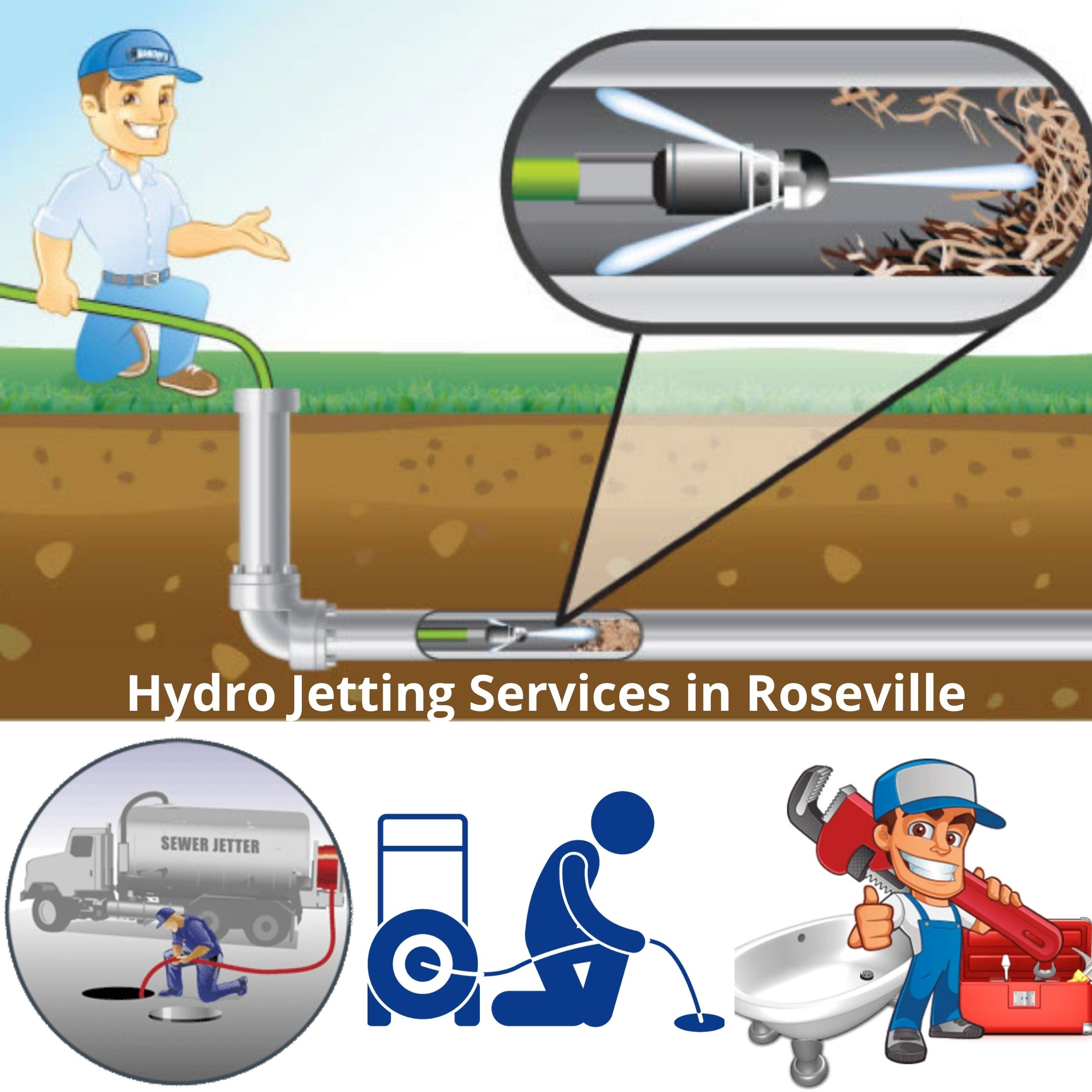
If you are facing a problem with sewer and drain cleaning then hydro jetting Roseville is one such popular cleaning method that will clear out drains and sewer lines in a 360° direction, and prevent a recurrence as well.