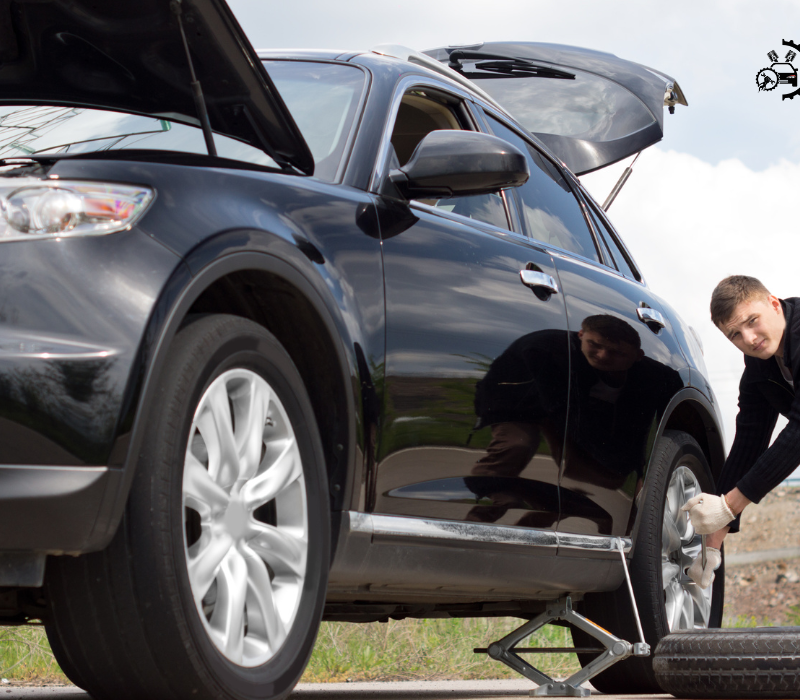
Tyre punctures are one of those unavoidable hassles that almost every driver will face at some point. A punctured tyre can disrupt your day, delay your plans, and even compromise your safety if not handled promptly. Understanding how to approach tyre puncture repair can empower you to stay safe on the road, save money, and extend the lifespan of your tyres. With a little guidance and the right tools, tyre puncture repair can become a manageable task rather than a dreaded chore.
In this comprehensive guide, we’ll cover everything you need to know about tyre repair, from identifying different types of punctures to choosing the most effective repair methods. Let’s dive in and get you back on the road with confidence!
Why Tyre Puncture Repair Is Important
A punctured tyre can lead to a gradual or rapid loss of air pressure, which directly impacts the tyre's performance and safety. Driving on an underinflated or flat tyre can cause damage to the wheel, reduce fuel efficiency, and, in the worst cases, lead to accidents. Swiftly addressing tyre repair not only preserves the condition of your tyres but also protects your investment and ensures your safety on the road.
Types of Tyre Punctures and How to Spot Them
Knowing the type of puncture you’re dealing with can help you choose the right repair approach. Here are some common types of tyre punctures and tips on how to identify them:
- Penetrating PunctureThis is the most typical type of puncture, caused by sharp objects like nails or glass. Penetrating punctures create a small, visible hole and often result in a slow leak. Look for embedded debris in the tread if you suspect this type of puncture.
- Sidewall PunctureSidewall punctures are particularly dangerous because the sidewall is structurally weaker than the tread. These punctures can lead to blowouts, making tyre repair difficult, and in some cases, it may be safer to replace the tyre.
- BlowoutA blowout occurs when the tyre bursts, usually due to an underinflated tyre or extreme impact. This type of damage is often irreparable, and it’s essential to replace the tyre entirely for safety.
- Slow LeakSome punctures cause a gradual loss of air over time, which can be harder to detect. Regularly check your tyre pressure and look for signs of a slow leak, such as one tyre consistently lower than the others.
Identifying the puncture type early can help you make a more informed decision about tyre repair and prevent further issues on the road.
DIY Tyre Puncture Repair: Tools and Steps
While many punctures are best handled by professionals, there are instances where DIY tyre repair can be effective. If you’re dealing with a minor tread puncture, having a repair kit handy could save you from a roadside breakdown.
Tools You’ll Need
- Tyre Repair Kit: A standard kit includes a T-handle reamer, a T-handle plugger, rubber cement, and repair plugs.
- Tyre Pressure Gauge: To check your tyre pressure before and after repair.
- Car Jack and Wrench: Essential for removing the wheel if needed.
- Pliers: Useful for removing debris from the puncture site.
Step-by-Step Tyre Puncture Repair
- Locate the PunctureFind the puncture by visually inspecting the tyre and listening for any air leaks. You can also apply soapy water to the tyre surface; bubbles will form around the puncture.
- Remove the DebrisIf a nail or other object caused the puncture, use pliers to carefully remove it from the tyre.
- Prepare the PunctureInsert the T-handle reamer into the puncture to clean and slightly widen it, allowing the plug to fit securely.
- Apply the PlugThread the repair plug through the T-handle plugger and coat it with rubber cement. Push the plug into the puncture and twist slightly before removing the tool, leaving the plug in place.
- Trim the Excess PlugCut off any excess plug material to ensure a smooth surface on the tyre.
Check the Tyre PressureInflate the tyre to the recommended pressure and check for leaks by applying soapy water to the repair site again.
While DIY tyre puncture repair can be a quick fix for minor issues, it’s important to remember that it’s often a temporary solution. Always follow up with a professional to ensure the repair is safe and reliable.
When to Seek Professional Tyre Puncture Repair
In many cases, especially with sidewall punctures or large holes, professional tyre puncture repair is the safest and most effective option. Skilled technicians have access to specialised tools and techniques that ensure the repair is durable and safe. Here’s when you should turn to a professional for tyre puncture repair:
- Large or irregular-shaped punctures that DIY kits may not effectively seal.
- Sidewall or shoulder punctures where structural integrity is compromised.
- Persistent slow leaks even after DIY repair.
- Blowouts or significant damage that makes the tyre irreparable.
By opting for professional tyre repair, you can also benefit from a full inspection to detect other potential issues with your tyres, such as uneven wear or internal damage.
The Cost of Tyre Puncture Repair and What to Expect
One of the common questions drivers ask is, “How much will tyre puncture repair cost?” The price of a repair varies based on factors like the severity of the damage and whether you opt for a DIY approach or professional assistance.
On average, a simple tread puncture repair at a garage costs between £10 and £30 in the UK. However, costs can increase if additional work, such as rebalancing or inspection for hidden damage, is required. Some garages may offer free repairs if you purchased the tyre from them, so it’s always worth inquiring about these options.
Preventative Tips to Avoid Future Punctures
While tyre punctures are often unavoidable, there are some steps you can take to minimise the risk:
- Regularly Inspect Your TyresCheck for embedded objects, cracks, and tread wear every few weeks. Early detection of damage can prevent sudden punctures on the road.
- Maintain Proper Tyre PressureUnderinflated tyres are more susceptible to punctures. Invest in a good-quality tyre pressure gauge and check your pressure monthly.
- Avoid Driving Over DebrisPotholes, broken glass, and debris can quickly lead to a puncture. Avoid these hazards whenever possible.
- Rotate Your TyresRotating your tyres helps them wear more evenly, which can prevent weak spots that are prone to punctures.
Wrapping Up: Stay Confident on the Road with Reliable Tyre Puncture Repair
Encountering a tyre puncture may be inconvenient, but it doesn’t have to be daunting. Understanding the essentials of tyre puncture repair can save you time, money, and stress. Whether you choose a DIY approach or head to a professional, addressing punctures quickly and effectively keeps you safe on the road and extends the life of your tyres.
By investing a little time in tyre care and being prepared for minor issues, you can ensure a smooth driving experience every time. So the next time you’re faced with a flat, remember: with the right tools, knowledge, and confidence, tyre puncture repair is well within reach!