


When it comes to roofing, the choice of fasteners can significantly impact the overall performance and longevity of your roof. With options like roof nails and screws available, understanding their unique characteristics is crucial for making an informed decision. This article delves into the nuances of each fastener type while highlighting their applications in various roofing scenarios.
The Basics of Roof Fasteners
Fasteners are essential components in roof installation. They secure materials such as shingles, tiles, or metal sheets to the underlying structure, ensuring stability and protection against harsh weather conditions. Choosing between roof nails and screws isn't merely a matter of preference; it can affect factors like roof insulation, roof maintenance, and even roof warranty claims.
Roof Nails: Strengths and Weaknesses
Roof nails are traditionally used in roofing projects due to their ease of use and cost-effectiveness. Typically made from steel or aluminum, these fasteners come in various lengths and diameters suited for different applications.
Advantages:
Quick Installation: Roof nails can be hammered in rapidly, speeding up the installation process.
Flexibility: They allow for some movement within the roofing material, making them suitable for areas prone to expansion and contraction.
Disadvantages:
Limited Holding Power: While nails provide adequate holding strength initially, they might loosen over time due to environmental changes.
Vulnerability to Wind Uplift: In high-wind areas, improperly installed roof nails may lead to roof failure.
Screws: The Robust Alternative
On the other hand, screws offer a more durable fastening solution. Their design allows for a tighter grip on materials compared to nails.
Advantages:

Superior Holding Power: Screws tend to hold better over time, reducing the likelihood of loosening.
Resistance to Wind Uplift: Their threaded design makes them less susceptible to being pulled out by strong winds.
Disadvantages:
Longer Installation Time: Installing screws takes more time and requires a power tool or drill, which can slow down large projects.
Cost Factor: Generally, screws are more expensive than nails, impacting your overall roof estimate.
Roof Nails vs Screws: Which Fasteners Are Best For Your Project?
So which is better—roof nails or screws? The answer largely depends on your specific project requirements. If you're doing a quick fix or working on a small residential project where speed is essential, roof nails might be your best bet. However, if you're concerned about long-term durability and wind uplift resistance—especially in areas with severe weather—screws could be worth the investment.
Factors Influencing Your Decision
A few key factors should guide your choice between roof nails and screws:
Conclusion
In summary, when weighing “Roof Nails vs Screws: Which Fasteners Are Best For Your Project?”, remember that both options have distinct advantages and disadvantages that may affect not roof company only immediate installation but also long-term maintenance needs like roof leak repair or inspection schedules.
It's imperative to consider all aspects—costs, material compatibility, environmental conditions—and even consult with a roofing professional if needed. Ultimately, choosing the right fastener will contribute significantly to the longevity of your roofing system while aligning with good practices in roof maintenance and sustainability efforts. Whether you opt for traditional roof nails or robust screws, making an informed decision is key to ensuring a secure shelter overhead for years to come.

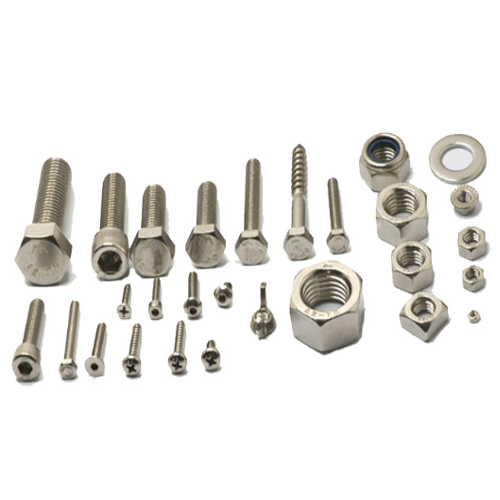
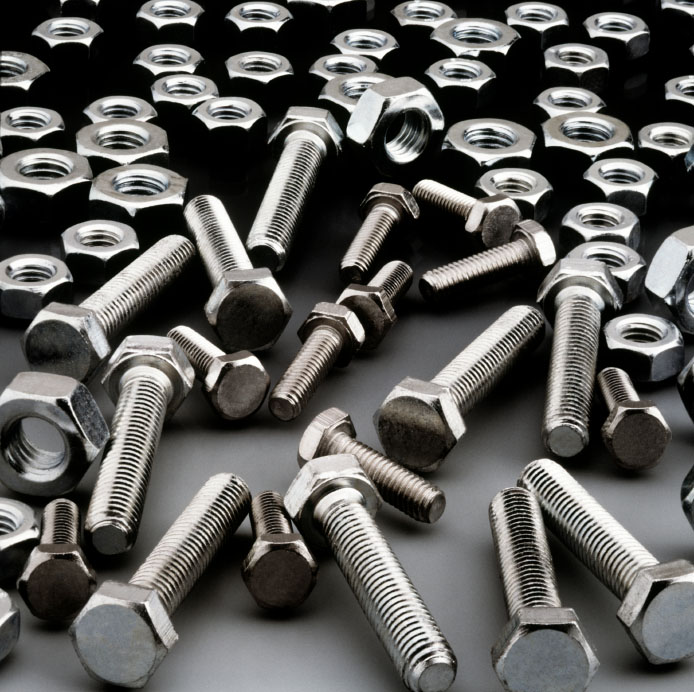
Siddhagiri Metals and Tube is a manufacturer of inconel 625 fasteners which is one of the most demanded products in many industries.
We stock all types of inconel 625 fasteners such Inconel 625 Nuts, Inconel 625 Bolts, Inconel 625 Screws, Inconel 625 Washers .
We exports premium quality of inconel 625 fasteners to various countries and we also accept customization according to the demand of clients .We also deal in duplex steel, stainless, nickel and copper alloy, carbon and alloy steel which are particularly used for manufacturing fasteners.
We are expertise on various grades of inconel fasteners.