Facial recognition technology has become a staple in today’s surveillance and security systems. But how reliable is it when paired with advanced sensor technologies like BSI (backside illuminated) 2 sensors and supported by H.265 camera capabilities? For businesses, security agencies, and tech enthusiasts, understanding the true accuracy and potential limitations of this technology can make a significant impact on investment and operational decisions. So, how do these cutting-edge components enhance or hinder facial recognition performance? Let’s dive deep into the details and uncover what this means for you.
What Is a BSI 2 Sensor and Why Does It Matter?
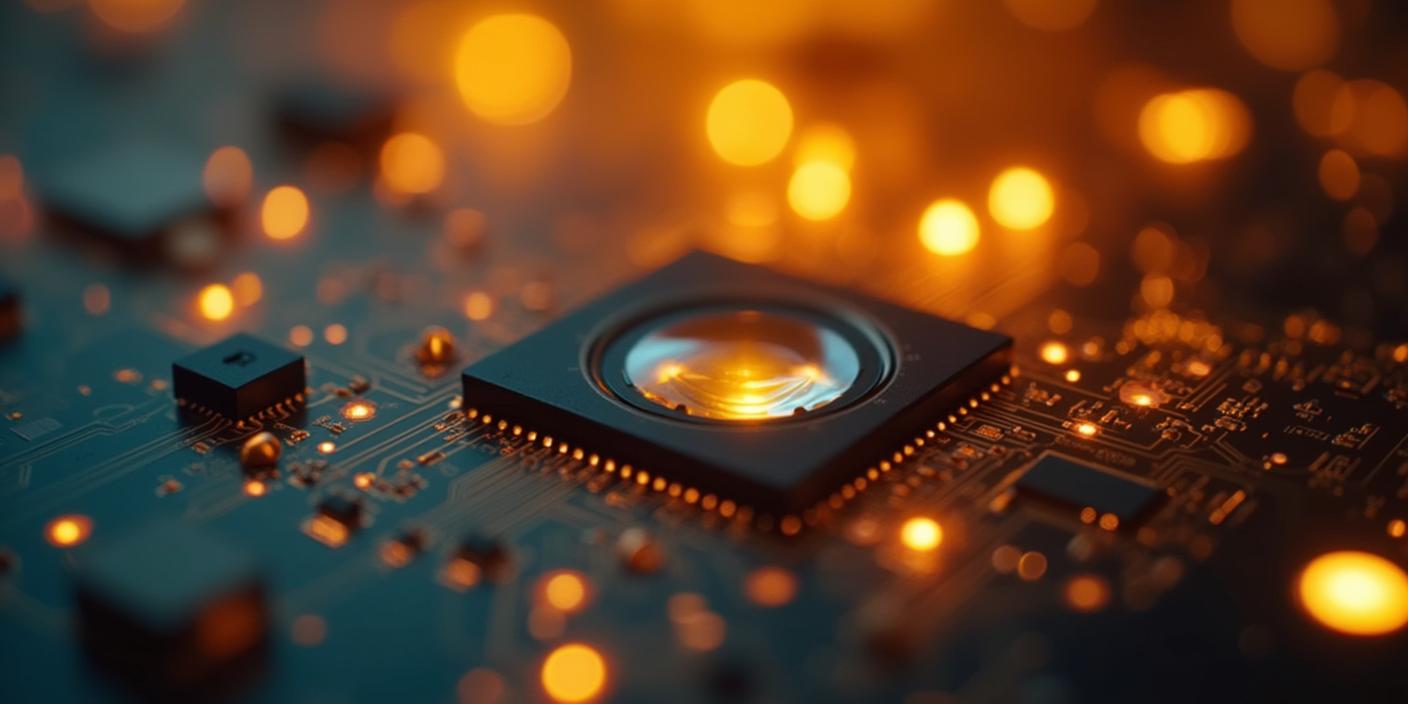
BSI 2 sensors are the second generation of backside-illuminated sensors. Unlike traditional front-illuminated sensors, BSI sensors place the wiring behind the photodiodes, allowing more light to hit the sensor surface directly. This structure significantly improves low-light performance, a common pain point for many surveillance systems. For facial recognition, lighting is often a major hurdle—shadows, poor visibility, and varying conditions can reduce accuracy. BSI 2 sensors help tackle these challenges by providing better image quality, even in suboptimal conditions.
Why H.265 cameras pair perfectly with BSI 2 sensors
An H.265 camera, known for its advanced video compression technology, allows higher-quality video streams without consuming excessive bandwidth. This feature is essential for organizations that require 24/7 surveillance but don't want to compromise on video quality or pay exorbitant data storage costs.
Pairing H.265 cameras with BSI 2 sensors creates a robust setup for facial recognition systems. The improved low-light performance from the BSI 2 sensor ensures that facial details are clear, while the H.265 camera’s compression maintains these details during streaming and storage without losing quality. This duo offers the perfect marriage between clarity and efficiency.
Key Customer Pain Points Addressed by This Combo
1. Poor lighting conditions Many users report that facial recognition accuracy drops dramatically in low-light conditions. With BSI 2 sensors, this is no longer a major issue. The enhanced ability to capture more light leads to better facial detail, which, in turn, improves recognition algorithms.
2. High Storage Costs Video data, especially when it needs to be high resolution, can consume a lot of storage space. This becomes a costly issue for users who require extensive surveillance. The H.265 camera compresses video data more efficiently than its predecessor, H.264, allowing for longer recording periods without skyrocketing storage costs.
3. Bandwidth concerns Streaming high-quality video can put a strain on network bandwidth. This is particularly problematic for systems needing real-time processing for facial recognition. The H.265 camera addresses this by maintaining high video quality with less data usage, ensuring that the system runs smoothly without interruptions.
4. Integration Challenges When implementing new technology, compatibility can be a hurdle. Fortunately, modern H.265 cameras often come with ONVIF (Open Network Video Interface Forum) compliance, which standardizes communication between IP-based security products. This compatibility ensures that facial recognition systems can be integrated seamlessly with other devices.
How Accurate Is Facial Recognition with BSI 2 Sensors?
Facial recognition systems are only as good as the images they process. BSI 2 sensors contribute to clearer, higher-quality images, which provide algorithms with more accurate data to analyze. In practical terms, this means:
Real-Life Applications and Use Cases
Retail Security Retailers often need a reliable security system that can operate seamlessly day and night. With an H.265 camera equipped with a BSI 2 sensor, facial recognition can identify shoplifters or banned individuals even under poor lighting. This setup helps reduce shrinkage and maintain a safe shopping environment.
Airports and Transportation Hubs In busy and dynamic spaces, having a reliable surveillance system is non-negotiable. The combination of BSI 2 sensors and H.265 camera technology ensures that security teams can identify persons of interest accurately, minimizing the risk of delays or security threats.
Access Control in Office Buildings Facial recognition is increasingly used for automated access control. The clarity provided by BSI 2 sensors, coupled with efficient H.265 compression, ensures that systems can identify employees quickly and accurately, even in dimly lit parking lots or entryways.
The Future of Facial Recognition with H.265 Cameras and BSI 2 Sensors
As technology advances, the integration of BSI 2 sensors with H.265 cameras will likely become standard in high-end facial recognition systems. This pairing offers not only high accuracy but also cost-effective storage and bandwidth solutions. As AI and machine learning continue to improve facial recognition algorithms, having a reliable hardware foundation becomes more critical than ever.
For customers, this means fewer false positives, more consistent performance, and overall better security and monitoring solutions. When looking for a facial recognition system that won't let you down, consider one that incorporates both BSI 2 sensors and H.265 camera technology.
Enhance Your Security Solutions Today!
Do you want to improve your facial recognition or security system? Discover the advantages of a smooth and incredibly precise surveillance system with H.265 cameras and BSI 2 sensors. Get in touch right now to discuss options that meet your unique requirements and see how this potent combo may revolutionize your security setup.