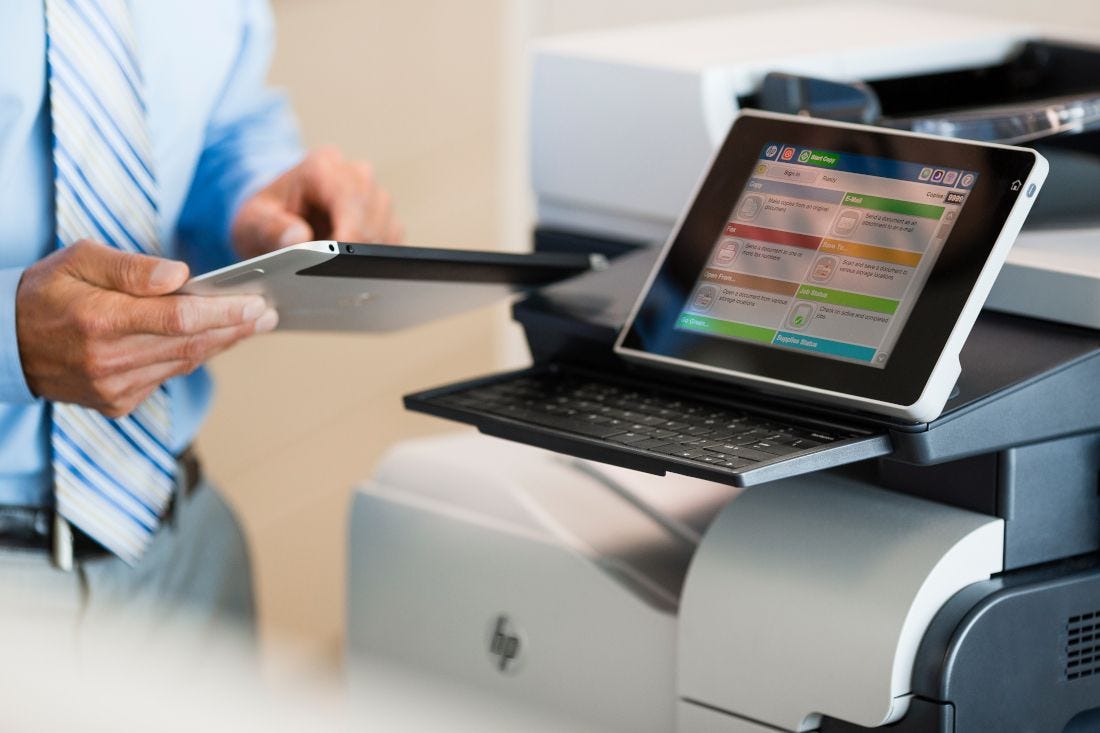
Managed print services (MPS) is a comprehensive approach to managing digital printing fleets, copying machines, multifunction printers, and other related devices. With MPS, a third-party provider handles the assessment, procurement, deployment, management, and optimization of imaging and printing solutions. The goal is to simplify print infrastructure while reducing costs. Needs Assessment and Optimization The first step in any MPS program is a thorough needs assessment. Providers will audit an organization's existing fleet to understand usage patterns, document volumes, device locations, and more. This data is then analyzed to identify opportunities for optimization. Areas of focus often include consolidating underutilized devices, rightsizing equipment based on need, deploying multi-function capabilities, and leveraging cloud and mobile printing. The assessment provides visibility into waste and inefficiencies that can be addressed. Procurement and Installation With optimization recommendations in hand, the Managed Print Services provider procurers and installs the right devices for each location and workflow. New printers, copiers, and multifunction machines are deployed along with necessary supplies, toner, paper, and accessories. Installation includes setup, configuration, and integration with network and cloud systems. Technical support and troubleshooting are provided throughout deployment. Fleet Management and Maintenance Once the optimized print infrastructure is in place, the MPS provider takes over ongoing management and maintenance. This includes proactive monitoring of devices, supplies replenishment, repairs, and service. Remote and on-site support is available 24/7 to minimize disruptions. Firmware updates, configuration changes, and access management also fall under management responsibilities. The goal is ensuring all devices are working as intended with predictable, managed costs. Cost Savings and Business Benefits A major benefit of MPS is reduced printing expenditures and increased cost predictability. By optimizing fleets, consolidating devices, and locking in supplies pricing, providers can save organizations up to 30% on printing costs. Additional benefits include increased employee productivity through fewer device issues and an improved user experience with self-service functions. The monthly payment structure of MPS also alleviates large upfront capital investments and provides flexibility to scale services as organizational needs change over time. Overall, MPS aims to transform printing from a cost center to a strategic asset. Managed Print Services in Practice To demonstrate the real-world impact of managed print services, consider the case of a large retail company with 750+ locations across three countries. Their printing infrastructure consisted of over 6,500 devices from various vendors with no centralized management. Support was reactive, costs were unpredictable, and it was difficult to oversee usage, security, and waste. The MPS provider conducted an assessment and discovered: - 30% of devices were underutilized, wasting $250,000 per year - Consumables spending was $1.5M, with no visibility into spending patterns - Over 50% of calls were for issues preventable through proactive management The optimized solution deployed 1900 multi-function devices at lower volumes per location. Individual metercounts replaced consumables purchase. Comprehensive management reduced downtime by 25% and issues calls by 35%. Annual savings totaled $800,000 within 2 years, paying for the MPS program. Security, governance and reporting improved as well. The client now views printing as a strategic service rather than a necessary evil. Scaling MPS for the Digital Workplace As hybrid work models take hold post-pandemic, new demands are being placed on digital workflows and document security. Managed print services providers are rising to the challenge through expanded cloud and mobile services. Advanced capabilities now include mobile printing, follow-me printing, scan-to-cloud workflows, and robust governance. Secure release stations prevent documents from sitting uncollected. Collaboration tools facilitate shared reviews and markups. Providers have also invested in analytics to gain insights into usage that support sustainability goals. By embracing digital transformation, managed print services continue to simplify complex printing infrastructure while providing the flexible, optimized solutions today's distributed and mobile workforces require. As the line between office and remote blurs further, managed services will be integral to enabling seamless, secure document workflows everywhere work happens. Solutions are also scaling to support non-traditional devices like industrial printers as more organizations adopt "Industry 4.0" principles. With an increased focus on the user experience and applying analytics to uncover strategic value, MPS aims to transform printing at both tactical and transformational levels in the years ahead.
Discover the language that resonates with you-
About Author-
Vaagisha brings over three years of expertise as a content editor in the market research domain. Originally a creative writer, she discovered her passion for editing, combining her flair for writing with a meticulous eye for detail. Her ability to craft and refine compelling content makes her an invaluable asset in delivering polished and engaging write-ups. (LinkedIn: https://www.linkedin.com/in/vaagisha-singh-8080b91)